
Beautiful Plants For Your Interior
Beautiful Plants For Your Interior
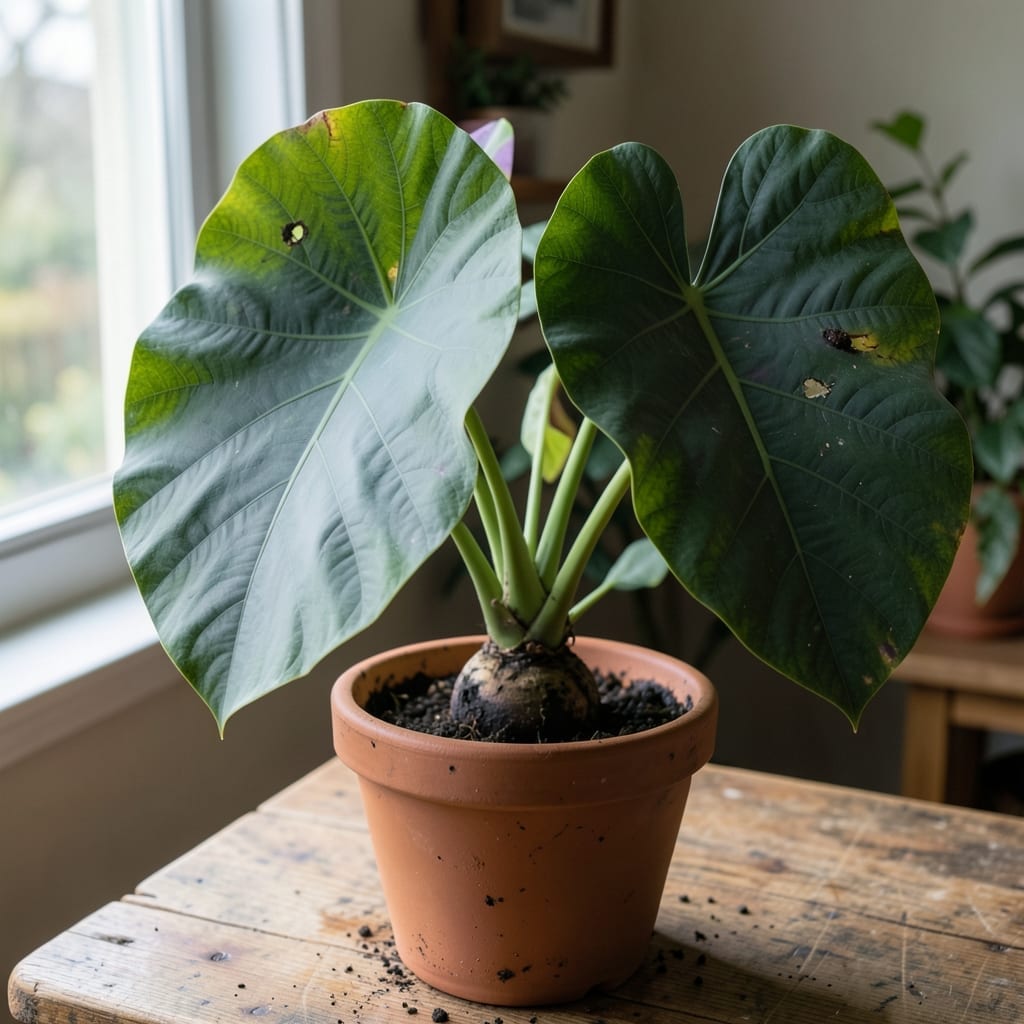
That sinking feeling when you dig up a mushy elephant ear bulb hits hard. I’ve been there—overwatering and poor drainage turned my first batch to sludge in 48 hours. The good news? Caught early, most can be saved.
Here’s the thing—rotting usually starts with too much water sitting around the roots. These tropical plants love moisture but despise soggy conditions. I learned the hard way that well-draining soil isn’t optional, it’s survival.
You’ll need to act fast: remove from soil, trim affected areas, and let it dry out completely. The remaining healthy tissue often rebounds surprisingly well with the right care.
Prevention is simpler than treatment. A little attention to watering habits and soil conditions keeps these dramatic plants thriving for years.
Understanding why an elephant ear bulb rots is the first step to prevention. Here are the most common causes, explained with actionable insights:
Elephant ear bulbs (Colocasia or Alocasia) thrive in moist but not soggy conditions. Overwatering suffocates the roots, preventing oxygen uptake and promoting fungal growth like Phytophthora or Pythium. Always use well-draining soil and pots with drainage holes. Let the top 1-2 inches of soil dry out between waterings.
These tropical plants prefer 65–85°F (18–29°C) and high humidity (50–70%). Cold drafts, sudden temperature drops, or excessively dry air stress the bulb, weakening its defenses against rot. Avoid placing pots near AC vents or cold windows. Use a humidity tray or mist the leaves if indoor air is too dry.
Pathogens thrive in wet, stagnant conditions. Fusarium wilt or bacterial soft rot (Erwinia) can turn bulbs mushy and foul-smelling. Sterilize tools and pots between uses, and remove infected bulbs immediately to prevent spread. Copper-based fungicides can help as a preventive measure.
Heavy, clay-rich, or compacted soil retains excess moisture, creating a perfect environment for rot. Amend the soil with perlite, orchid bark, or compost to improve aeration. A loose, airy mix mimics the plant’s natural habitat and reduces rot risk.
Address these factors promptly to give your elephant ear bulb the best chance of recovery and long-term health.
If your elephant ear bulb is rotting, act fast with these targeted fixes. The key is addressing the root cause while reviving the plant’s health.
Let the soil dry out completely before watering again. Elephant ears thrive in moist but not soggy conditions. Stick your finger 2 inches into the soil—if it’s damp, hold off. Use a well-draining pot and ensure excess water can escape.
Prevention: Water only when the topsoil feels dry, and always empty saucers after 30 minutes.
Remove the bulb from its current pot and inspect the roots. Trim any black, mushy roots with sterilized shears. Repot in fresh, well-draining soil (mix in perlite or sand for aeration). Choose a pot with drainage holes to prevent waterlogging.
Prevention: Use a cactus or succulent soil mix for better drainage, and avoid decorative pots without holes.
Move the plant to a warmer spot with indirect light. Elephant ears hate cold drafts and excessive humidity. If outdoors, bring it inside if temperatures drop below 50°F (10°C). Ensure good air circulation to discourage fungal growth.
Prevention: Keep plants in a stable environment, away from AC vents or damp basements.
If rot is due to infection, remove affected areas and apply a copper-based fungicide or a diluted hydrogen peroxide solution (1 part peroxide to 4 parts water). Isolate the plant to prevent spreading.
Prevention: Sterilize tools between uses and avoid overhead watering to keep foliage dry.
💡 Pro Tip: If the bulb is beyond saving, check for healthy offsets or pups to propagate a new plant!
Look for soft, mushy texture, foul odor, or black/brown discoloration. Healthy bulbs feel firm and smell earthy, not sour or pungent.
Yes, if you remove all rotted portions first. Trim with sterilized tools until only firm, white tissue remains. Let it dry for 24-48 hours before replanting.
Use a mix of 50% potting soil, 30% perlite, and 20% orchid bark. This ensures excellent drainage while retaining just enough moisture.