
Beautiful Plants For Your Interior
Beautiful Plants For Your Interior
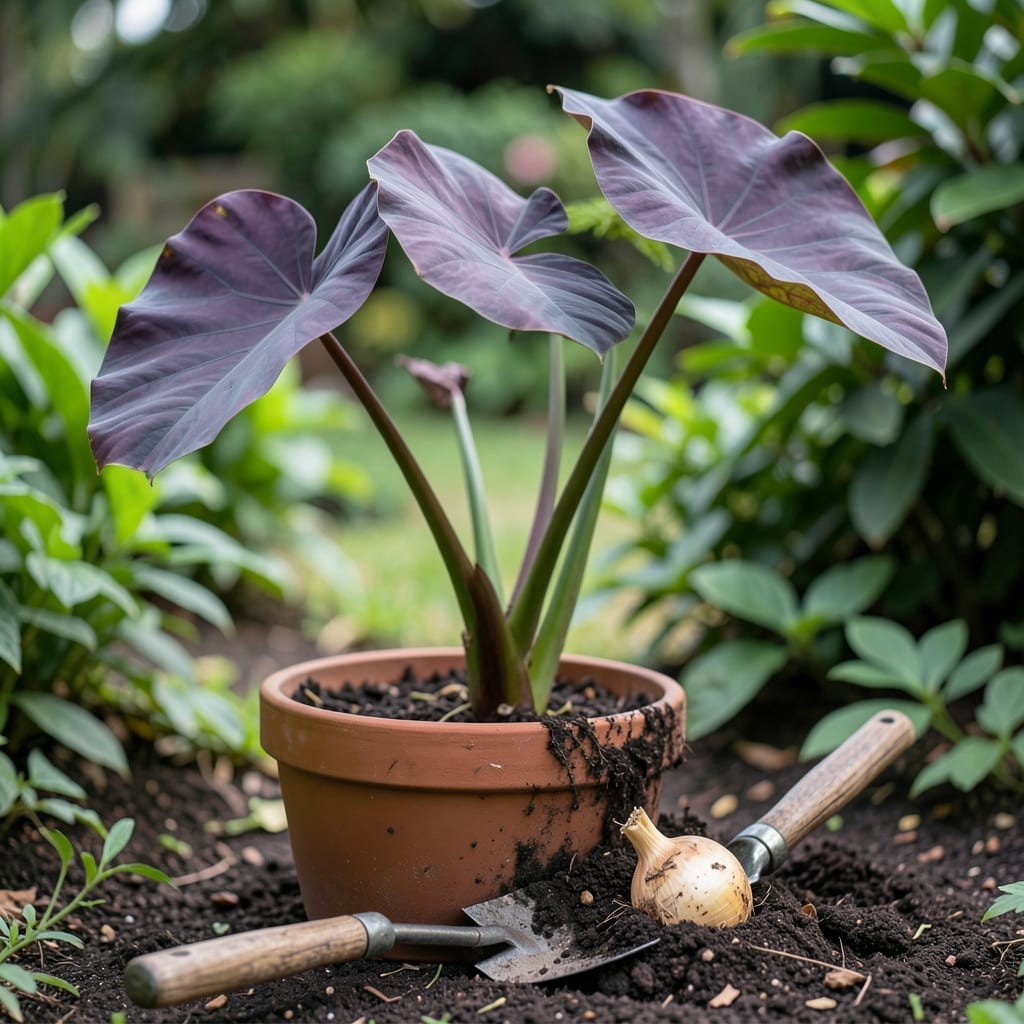
Timing is everything when planting Elephant Ear bulbs in pots—plant too early and frost can kill them, too late and you’ll miss their full growing season.
Get the timing right for vibrant, tropical foliage all summer long. The 🌿 Elephant Ear thrives when started in spring, but the exact window depends on your climate.
I’ll show you how to nail the perfect planting moment for containers. Whether you’re in zone 6 or warmer, these tips ensure your potted plants take off strong.
Let’s discover the simple but crucial steps to avoid common mistakes and set your Elephant Ear up for lush, dramatic growth.
Timing your elephant ear bulbs right in pots starts with knowing your USDA hardiness zone. These tropical plants thrive when soil temps hit 60°F or warmer. In cooler zones, wait until after the last frost date to avoid cold damage.
For zones 7-11, you can plant as early as March. In zones 4-6, wait until May when nights stay above 50°F. Container gardening gives you flexibility to move pots indoors if a late frost threatens.
| Zone | Planting Window | Soil Temp |
|---|---|---|
| 4-6 | Mid-May | 60°F+ |
| 7-8 | Early April | 60°F+ |
| 9-11 | Late March | 60°F+ |
I always check my local weather forecast for late frosts. Even in zone 7, a surprise cold snap in April can set back your elephant ears. Use a soil thermometer to confirm temperatures before planting.
In pots, soil warms faster than in-ground beds. This means you can plant 1-2 weeks earlier in containers. Just be ready to move them indoors or cover them if temperatures drop below 50°F at night.
Pro tip: Start bulbs indoors in early spring for a head start. Place them in a warm spot with bright light. Once outdoor temps stay above 50°F, move them outside to harden off.
For northern gardeners, consider dwarf varieties like ‘Illustris’ or ‘Black Magic’. These mature faster and are more forgiving if planted slightly later. In southern zones, you can plant year-round, but avoid extreme summer heat.
Remember that container size affects timing too. Larger pots retain heat better, allowing earlier planting. Smaller pots may need to wait until nights are consistently warm.
I’ve found that morning planting helps reduce stress on bulbs. The cooler temperatures and gentle sunlight give them time to acclimate before the heat of the day.
Finally, watch for sprouting bulbs as a sign they’re ready. If you see green shoots emerging from the bulb, it’s time to plant. This usually happens when soil temps reach that magical 60°F mark.
🌿I always start by selecting the right container size—12-18 inches deep works best for these tropical giants. The pot must have drainage holes to prevent bulb rot, which is a common issue with elephant ears.
For soil, I use a well-draining potting mix with added organic compost. This gives the bulbs the nutrient boost they need while ensuring excess water can escape.
I’ve found that planting depth is crucial—2-3 inches deep with the pointy end up ensures proper growth. Any deeper and the bulb may struggle to emerge.
After planting, I water lightly just to settle the soil. Overwatering at this stage can cause bulb rot, so I keep the soil slightly moist but not soggy.
Once sprouts appear, I move the pots to a warmer location with bright indirect light. This encourages strong, healthy growth before transplanting outside.
Finally, I wait until all frost danger has passed before moving pots outdoors. In most zones, this is 2-3 weeks after the last frost date. This timing prevents cold damage to tender new growth.
🌿