
Beautiful Plants For Your Interior
Beautiful Plants For Your Interior
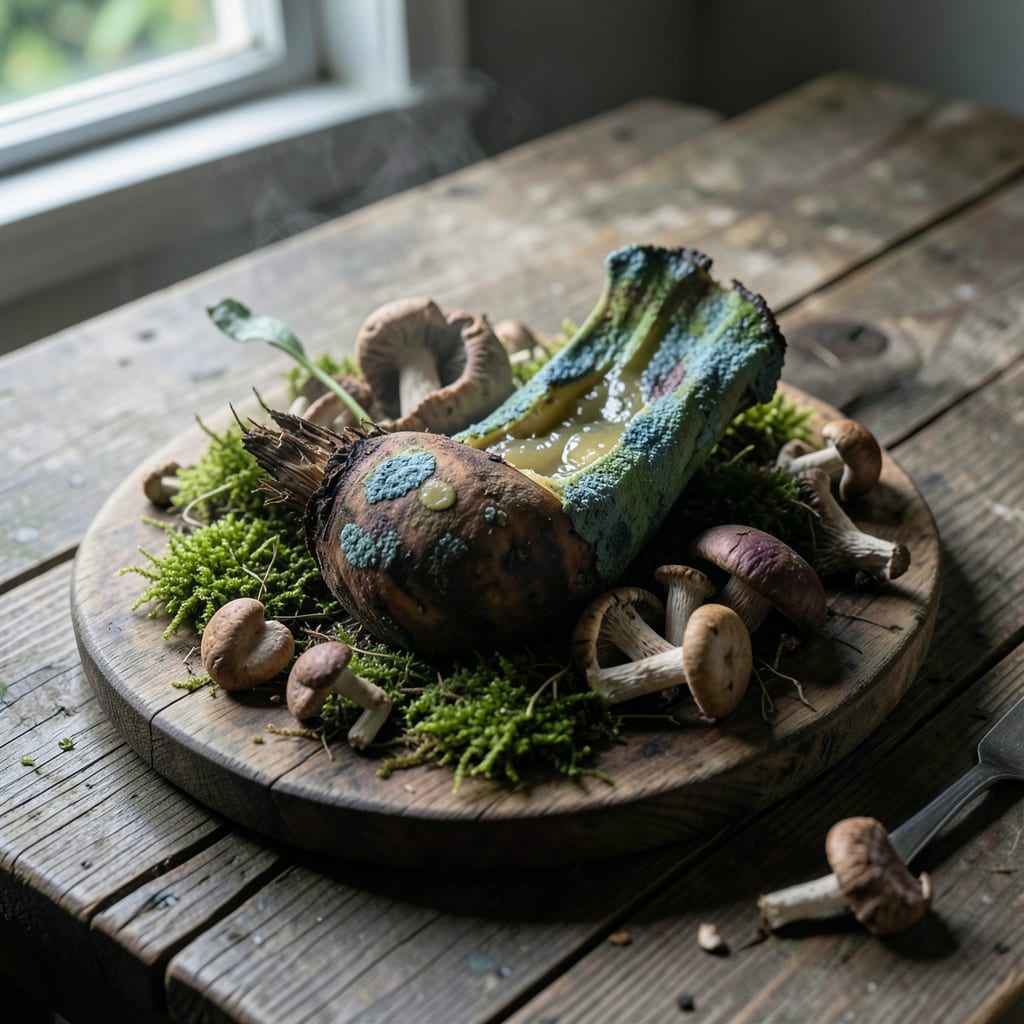
Nothing kills elephant ear dreams faster than bulb rot. I’ve lost count of how many I’ve pulled from the soil only to find them soft and foul-smelling. 🌱 The good news? It’s preventable with the right approach.
Overwatering and poor drainage are the usual suspects. I learned the hard way that soggy soil is a death sentence. Now, I check the soil before watering and ensure pots have drainage holes. A little attention goes a long way.
If you spot yellowing leaves or a mushy base, act fast. Dig up the bulb, trim away the rot, and let it dry in a warm, airy spot. Sometimes, that’s all it takes to save the plant.
With the right care, your elephant ears will bounce back—lush, vibrant, and rot-free. Trust me, it’s worth the effort.
Elephant ear bulb rot is often the result of a few key environmental and cultural factors. Understanding these causes can help you prevent the problem before it starts. Below are the most common triggers, explained in scientific terms.
Excess moisture is the primary culprit behind bulb rot. Elephant ear plants (Colocasia and Alocasia species) thrive in moist but well-drained soil. When water pools around the bulb, it creates an anaerobic environment—depriving roots of oxygen and encouraging the growth of Pythium, Phytophthora, or fungal pathogens like Fusarium. These organisms break down plant tissue, leading to soft, mushy bulbs.
Elephant ears are tropical plants and cannot tolerate soil temperatures below 50°F (10°C). Cold soil slows metabolic processes, making the bulb more susceptible to infections. Additionally, chilling injury can weaken cell walls, allowing pathogens to invade more easily. This is why bulb rot often appears in early spring or late fall when temperatures drop unexpectedly.
Pathogens that cause bulb rot can linger in unsterilized soil or gardening tools. If you reuse potting mix or fail to disinfect pruners and shovels, you risk introducing Fusarium oxysporum or other fungi directly to the bulb. These microbes thrive in organic debris, so old, decomposed matter in the soil can also accelerate infection.
Stagnant air traps humidity around the plant, creating a microclimate ideal for fungal spores. This is especially true in crowded garden beds or dense container plantings. Without proper airflow, moisture lingers on the bulb and foliage, promoting the spread of rot-causing organisms.
Elephant ear bulb rot can often be reversed if caught early. Below are targeted solutions for the most common causes, along with prevention tips to keep your plants thriving.
If soggy soil is the culprit, stop watering immediately and let the top 2–3 inches of soil dry out. Repot the bulb in fresh, well-draining potting mix (add perlite or sand for better drainage). Trim any black, mushy roots before replanting. Prevention tip: Water only when the soil feels dry to the touch, and ensure pots have drainage holes.
Bulbs sitting in waterlogged soil will rot. Switch to a loamy, fast-draining mix and elevate pots to avoid water pooling. For garden beds, amend heavy clay soil with compost or pine bark. Prevention tip: Use containers with drainage holes, and add a layer of gravel at the bottom to enhance airflow.
At the first sign of brown or mushy spots, remove affected areas with sterilized pruners. Apply a copper-based fungicide or a natural option like neem oil to the bulb and surrounding soil. Prevention tip: Avoid overhead watering to keep foliage dry, and space plants for better air circulation.
Elephant ears are tropical plants and rot in cold, damp soil. If temperatures drop below 50°F (10°C), dig up bulbs and store them in a dry, warm place (60–70°F/15–21°C) until spring. Prevention tip: Plant bulbs after the last frost, or grow them in containers you can move indoors during cold snaps.
💡 Pro tip: Always disinfect tools and pots between uses to prevent spreading pathogens to healthy plants!
Look for yellowing leaves, a foul smell, or a mushy base. Dig up the bulb to check for soft, dark spots. Early detection makes treatment much easier.
Yes, if caught early. Trim away rotten parts with sterilized tools, let the bulb dry in a warm spot, then replant in fresh, well-draining soil.
Use a fast-draining mix with perlite or sand. Add compost for nutrients but avoid heavy clay. Ensure containers have drainage holes to prevent waterlogging.
Water when the top 2-3 inches of soil feel dry. Overwatering is the leading cause of rot, so always check moisture first.
