
Beautiful Plants For Your Interior
Beautiful Plants For Your Interior
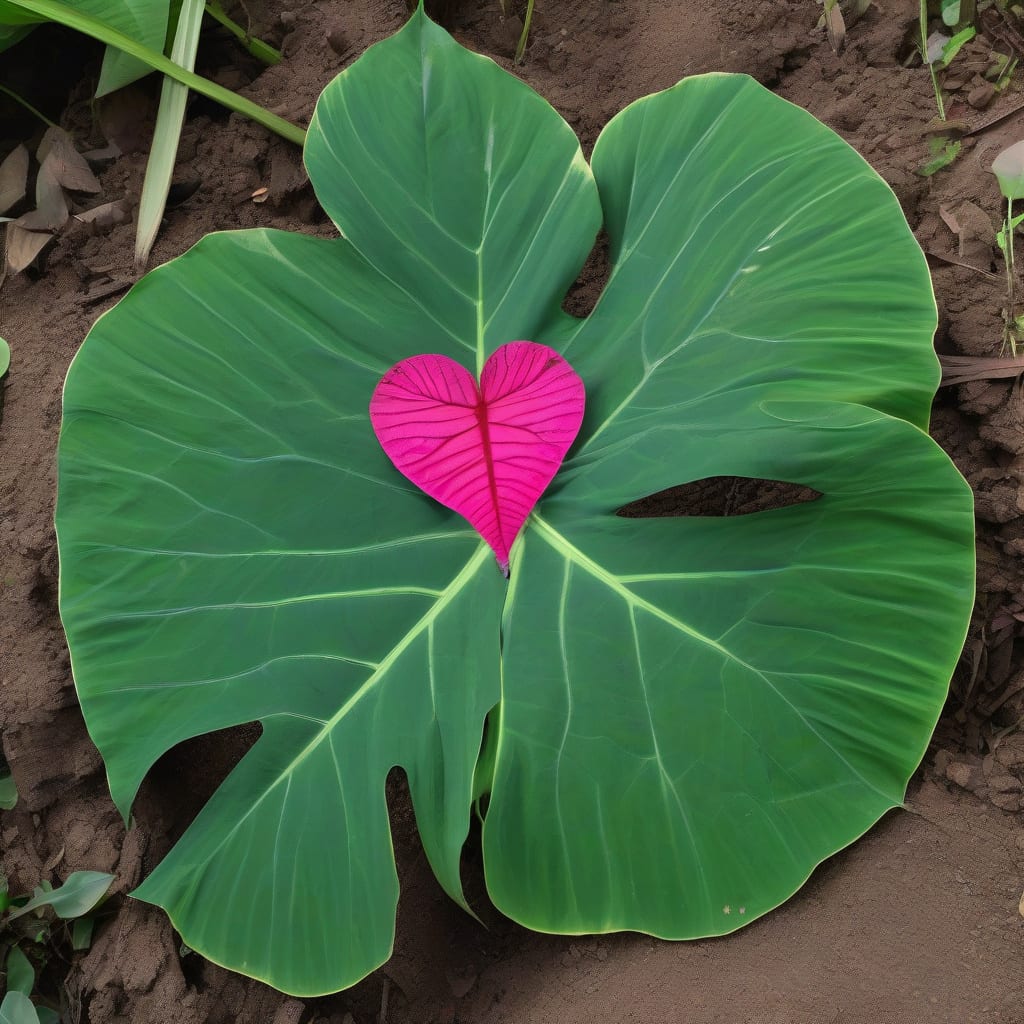
Elephant ear plants 🌱 can grow to impressive heights, but their exact size depends on various factors. In ideal conditions, they can reach 3 to 6 feet tall, making them a dramatic addition to any garden.
Understanding what influences their growth helps you create the perfect environment for these stunning plants to thrive in USDA zone 6. Let’s explore the key factors that determine their height.


Elephant ear plants are known for their dramatic foliage and impressive size, but their height can vary significantly depending on the specific variety. Understanding the maximum heights of different elephant ear varieties helps gardeners plan their garden layout effectively.
The height of elephant ear plants typically ranges between 3 to 6 feet, with some varieties growing taller than others. Factors such as growing conditions, soil quality, and care practices also play a crucial role in determining their ultimate height 🌱.
The Colocasia variety typically grows between 3 to 4 feet tall, making it a great choice for smaller garden spaces or containers. In contrast, Alocasia varieties can range from 2 to 6 feet in height, offering more flexibility in terms of garden design 🌱.
Xanthosoma elephant ears are known for their robust growth, often reaching heights of 4 to 6 feet. These taller varieties can create a dramatic effect in garden landscapes, especially when planted in groups or as focal points.
The maximum height of elephant ear plants is influenced by several factors, including soil quality, sunlight exposure, and watering practices. Gardeners can optimize these conditions to help their elephant ear plants reach their full growth potential.
In addition to variety-specific height ranges, environmental conditions play a significant role. determining the height of elephant ear plants. Gardeners should consider these factors when planning their garden layout 🌱.
For example, the amount of sunlight and water available can impact growth. Elephant ear plants generally thrive in partial shade with consistent moisture, which can support their development into tall, healthy plants.
Understanding these factors helps gardeners create optimal growing conditions for their elephant ear plants, potentially maximizing their height and overall health 🌿.
By selecting the right variety and providing appropriate care, gardeners can enjoy these impressive plants at their full height potential.
The height potential of elephant ear plants makes them a versatile choice for various garden designs, from container gardens to large landscape features.
Gardeners should consider both the mature height of their chosen variety and the growing conditions when planning their garden.
Proper care, including fertilization and watering, supports healthy growth and helps these plants achieve their maximum height.
In summary, while elephant ear plants can grow quite tall, their exact height depends on a combination of genetic and environmental factors 🌟.
Elephant ear plants can grow to varying heights depending on several key factors. Understanding these factors helps gardeners create optimal growing conditions for their plants 🌿.
The height of elephant ear plants is influenced by factors such as soil quality, sunlight exposure, and watering practices. Providing the right conditions can help these plants reach their full growth potential.
By optimizing these conditions, gardeners can help their elephant ear plants achieve their full height potential. Regular fertilization and proper watering practices are essential for healthy growth 🌱.
Elephant ear plants generally thrive in USDA zone 6 when provided with the right growing conditions. Gardeners should consider both the variety-specific height ranges and environmental factors when planning their garden.
For example, the amount of sunlight and water available can significantly impact growth. Providing the right balance of these elements supports the development of tall, healthy plants.
Understanding the factors that affect elephant ear plant height helps gardeners make informed decisions about plant care and garden design 🌟.
Elephant ear plants can grow quite tall, reaching heights of 3 to 6 feet, making them a dramatic addition to any garden. To manage these tall plants effectively, it’s essential to understand their growth habits and provide proper support 🌿.
Tall elephant ear plants can be prone to damage from wind or their own weight. Providing support using stakes or plant ties can help prevent stem breakage and keep the plants upright 🌱.
Use soft plant ties to secure tall elephant ear plants to stakes without damaging their stems.
Regular maintenance, including pruning dead or damaged leaves, helps maintain the overall health and appearance of tall elephant ear plants. This practice also encourages the plant to focus its energy on producing new, healthy growth.
In garden settings, planting elephant ear plants in groups can create a stunning visual effect. However, it’s crucial to ensure that each plant has enough space to grow without overcrowding, which can lead to reduced air circulation and increased risk of disease 🌻.
By understanding the growth potential of elephant ear plants and implementing proper care strategies, gardeners can enjoy these impressive plants at their full height potential while maintaining a healthy and thriving garden ecosystem 🌟.
