
Beautiful Plants For Your Interior
Beautiful Plants For Your Interior
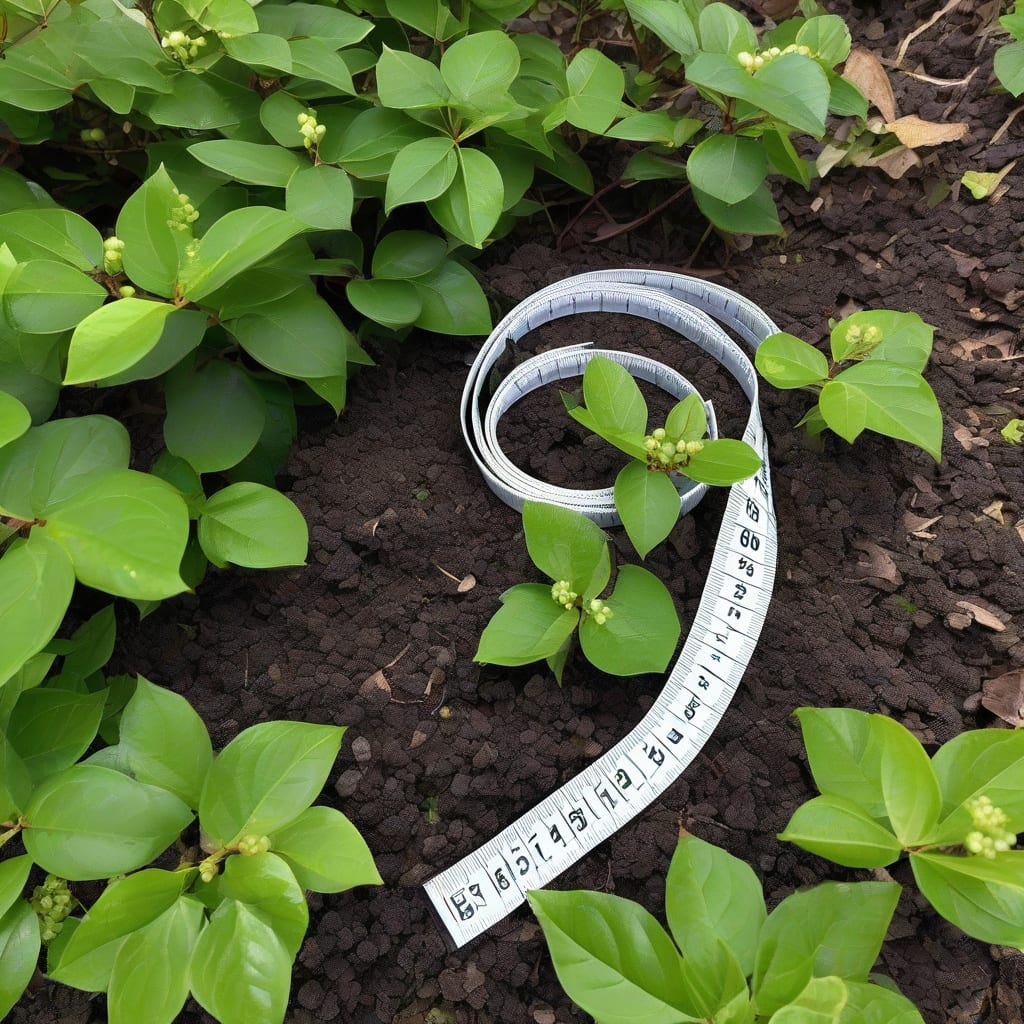
When planting Viburnum 🌿 in your garden, understanding its growth potential is crucial for proper placement. The height of these versatile shrubs can vary significantly based on the specific variety and growing conditions.
In USDA Zone 6, Viburnum typically grows between 3 to 15 feet tall, making it a great choice for hedges or border plants. Let’s explore the factors that influence their height and how to manage their growth effectively.

1-2 ft

2-4 ft

4-6 ft

6-15 ft
Viburnum shrubs are known for their versatility and varying growth patterns. The height of these plants can range significantly based on the specific variety and growing conditions. Understanding these growth patterns is essential for gardeners to make informed decisions about placement and maintenance.
In general, Viburnum plants can grow between 3 to 15 feet tall, with some varieties spreading just as wide. The growth rate typically ranges from 1 to 3 feet per year, depending on factors like soil quality, sunlight, and watering conditions. Proper care can help achieve optimal height and spread 🌿.
The growth pattern of Viburnum can be influenced by several factors including soil quality, sunlight exposure, and watering conditions. In USDA Zone 6, Viburnum typically primarily grows between 6 to 10 feet tall. Understanding these factors can help gardeners optimize their Viburnum’s growth 🌿.
When considering Viburnum for your garden, it’s crucial to understand its mature size to ensure proper placement. Some compact varieties remain smaller, while others can grow quite large. Let’s explore the different growth patterns and factors affecting Viburnum height.
The height of Viburnum plants can vary significantly based on the specific variety. Dwarf varieties typically grow between 3-6 feet, while standard varieties can reach heights of 8-15 feet. The growth rate is generally moderate, with most plants adding 1-2 feet per year under optimal conditions.
Soil quality plays a crucial role in Viburnum growth. Well-draining soil with a mix of organic matter can significantly enhance growth rates. Full sun to partial shade is ideal, with most varieties tolerating a range of light conditions. Consistent moisture, especially during the first year after planting, is essential for establishing a strong root system.
Pruning is another critical factor in managing Viburnum height. Annual pruning after flowering helps maintain the desired shape and size. For larger varieties, regular pruning can keep the plant within the desired height range. Gardeners should also consider the plant’s natural growth habit when selecting a variety.
Different Viburnum species exhibit varying growth patterns. For example, Viburnum opulus can grow up to 12 feet tall, while Viburnum carlesii typically remains more compact at around 6 feet. Understanding these differences is key to selecting the right variety for your garden space.
In conclusion, Viburnum shrubs offer a range of growth patterns and sizes, making them versatile for various garden designs. By understanding the factors that influence their height and spread, gardeners can make informed decisions about planting and care. Whether you’re looking for a compact hedge or a larger specimen plant, there’s a Viburnum variety to suit your needs 🌿.
For more specific guidance on selecting and caring for Viburnum, consider consulting with local gardening experts or checking resources from reputable gardening organizations. They can provide valuable insights tailored to your specific climate and growing conditions.
Viburnum shrubs are popular garden additions, but their height can vary significantly based on several factors. Understanding these factors is crucial for gardeners to make informed decisions about planting and maintenance. The height of Viburnum plants is influenced by a combination of environmental conditions and gardening practices 🌿.
Soil quality plays a significant role in determining Viburnum height. Well-draining soil with adequate organic matter can promote healthy growth, while poor drainage can lead to root rot and stunted growth. The ideal soil pH for Viburnum ranges from 5.5 to 6.5, with most varieties tolerating slightly acidic to neutral conditions.
Viburnum height is influenced by soil quality, climate conditions, and proper care practices. Optimal growing conditions can help achieve maximum height potential.
Climate conditions also impact Viburnum growth. USDA Zone 6 provides ideal conditions for many Viburnum varieties, with moderate temperatures and adequate moisture. Extreme weather conditions, such as prolonged drought or intense cold, can stress the plants and affect their growth.
Proper care practices are essential for managing Viburnum height. Regular watering during the first year after planting helps establish a strong root system. Annual pruning after flowering maintains the desired shape and size, while fertilization in early spring promotes healthy growth.
The specific Viburnum variety also plays a crucial role in determining its mature height. Dwarf varieties typically remain more compact, while standard varieties can grow taller. Gardeners should choose varieties that suit their available space and desired landscape design.
Understanding the factors that affect Viburnum height helps gardeners make informed decisions. By providing optimal growing conditions and proper care, gardeners can help their Viburnum plants achieve their full potential. Whether you’re looking for a compact hedge or a larger specimen plant, there’s a Viburnum variety to suit your needs 🌿.
For more specific guidance on caring for Viburnum, consider consulting with local gardening experts or checking resources from reputable gardening organizations. They can provide valuable insights tailored to your specific climate and growing conditions.
When selecting a Viburnum variety for your garden, understanding the mature size is crucial for proper placement. The height of these shrubs can vary significantly based on the specific cultivar and growing conditions. Let’s explore how to choose the right Viburnum for your available space 🌿.
Viburnum plants come in various sizes, ranging from compact dwarf varieties to larger standard types. The mature height can vary from 3 to 15 feet, making them suitable for different garden designs. Understanding these size differences helps gardeners make informed decisions about placement and maintenance.
When choosing a Viburnum variety, consider factors such as available space, desired height, and landscape design. Gardeners should also think about the plant’s growth rate and how it will fit into their overall garden plan. Proper selection ensures that the Viburnum thrives and meets the gardener’s needs 🌿.
For more specific guidance on selecting Viburnum varieties, consulting with local gardening experts or checking resources from reputable gardening organizations can provide valuable insights. They can offer advice tailored to your specific climate and growing conditions, helping you make the best choice for your garden.
