
Beautiful Plants For Your Interior
Beautiful Plants For Your Interior
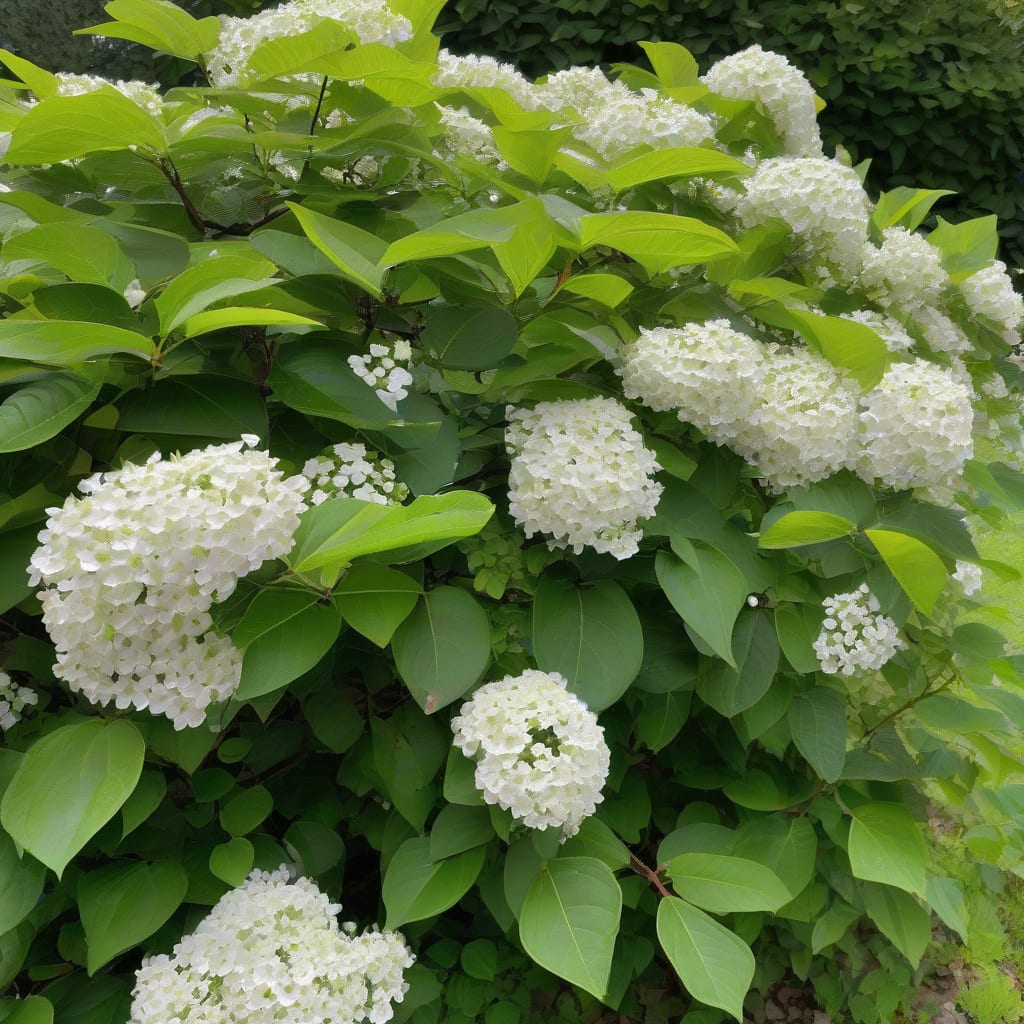
When planning your garden, understanding how tall your Viburnum 🌿 will grow is crucial. Different varieties offer unique growth patterns that can affect your garden’s design and care requirements.
Viburnum plants can grow anywhere from 3 to 15 feet tall, depending on the specific type and growing conditions in your USDA Zone 6 garden. Let’s explore what you need to know to make informed decisions about these beautiful shrubs.


When planning your garden, understanding how tall your Viburnum 🌿 will grow is crucial. Different varieties offer unique growth patterns that can affect your garden’s design and care requirements.
Viburnum plants can grow anywhere from 3 to 15 feet tall, depending on the specific type and growing conditions in your USDA Zone 6 garden. The height variations are significant across different Viburnum species.
The dwarf varieties are perfect for smaller gardens or hedges, typically growing between 3 to 6 feet tall. These compact plants maintain their smaller size naturally without requiring extensive pruning.
Compact Viburnum types offer a mid-range height of 6 to 8 feet, making them suitable for hedges, borders, or specimen plants. Their moderate size makes them versatile for various garden designs.
The standard Viburnum varieties are the largest, reaching heights of 8 to 15 feet. These larger shrubs can serve as impressive focal points in larger landscapes or create substantial privacy screens.
Understanding these height variations helps gardeners choose the right Viburnum variety for their specific needs and space constraints.
When selecting a Viburnum, consider factors such as available space, desired landscape impact, and maintenance requirements to ensure the chosen variety thrives in your garden environment.
Key considerations include the mature height of the plant, growth rate, and how the plant’s size will affect surrounding garden features.
Different Viburnum species not only vary in height but also in their growth habits, with some being more compact and others spreading wider.
By understanding these characteristics, gardeners can make informed decisions about planting locations and spacing to achieve their desired garden design.
Proper planning based on Viburnum height helps prevent overcrowding and ensures that each plant has enough space to grow and thrive.
Regular maintenance, including pruning, can also help control the height and shape of Viburnum plants, keeping them within desired boundaries.
For gardeners in USDA Zone 6, choosing cold-hardy Viburnum varieties is essential to ensure the plants survive winter conditions and continue to grow healthily.
Understanding the factors that affect Viburnum height is crucial for maintaining healthy plants and achieving your desired garden design. Several key elements influence how tall your Viburnum will grow 🌿.
Growing conditions play a significant role in determining Viburnum height. Factors such as soil quality, sunlight exposure, and water availability can significantly impact plant growth.
Soil quality, sunlight, and water availability are critical factors that influence Viburnum height and overall health.
Soil quality is particularly important. Viburnum plants prefer well-draining soil rich in organic matter. Poor soil conditions can limit root development and, consequently, affect the plant’s overall height and health.
Sunlight exposure is another critical factor. Most Viburnum varieties thrive in partial shade to full sun, requiring at least 4-6 hours of direct sunlight daily. Insufficient sunlight can lead to weaker growth and reduced height.
Water availability also impacts Viburnum growth. These plants prefer consistent moisture, especially during their first year of growth. Drought conditions can stress the plants, potentially stunting their growth.
Maintenance practices, including pruning and fertilization, can also influence Viburnum height. Regular pruning helps control the plant’s size and shape, while appropriate fertilization provides necessary nutrients for healthy growth.
By understanding and managing these factors, gardeners can optimize their Viburnum’s growth and achieve the desired height for their garden design.
For gardeners in USDA Zone 6, it’s essential to choose Viburnum varieties that are well-suited to the local climate and soil conditions to ensure optimal growth and health.
Regular monitoring of your Viburnum’s growth and adjusting your care practices accordingly can help you achieve the best results in your garden.
Effective management of Viburnum height requires regular pruning and maintenance. Proper care ensures that your Viburnum plants remain healthy and within your desired size limits 🌿.
Pruning techniques vary depending on the Viburnum variety and its growth habits. For most Viburnum plants, pruning is best done in late winter or early spring before new growth begins.
Start by removing any dead, diseased, or damaged branches to maintain plant health and appearance.
Selectively remove branches to improve air circulation and allow more light to penetrate the plant’s interior.
Trim branches to maintain the desired shape and size, being careful not to over-prune.
Regular maintenance practices, including fertilization and watering, also play a crucial role in managing Viburnum height. Proper nutrition and moisture levels support healthy growth and help keep the plant within its expected size range.
For gardeners in USDA Zone 6, understanding the specific needs of your Viburnum variety is key to successful height management. Some Viburnum types may require more frequent pruning than others.
By combining proper pruning techniques with regular maintenance, you can effectively manage your Viburnum’s height and ensure it remains a beautiful and functional part of your garden design.
Consistent care will help your Viburnum thrive and maintain its desired height over time.
