
Beautiful Plants For Your Interior
Beautiful Plants For Your Interior
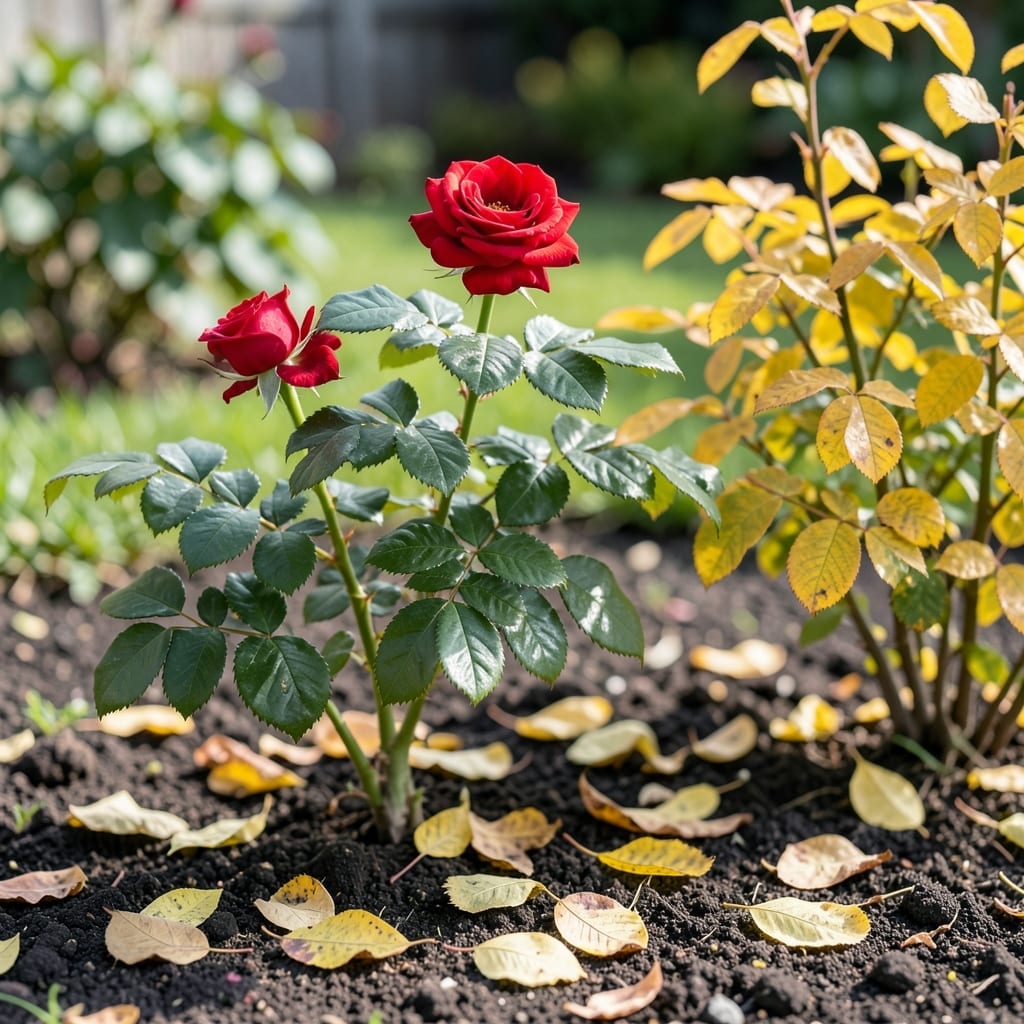
My roses started dropping leaves last June, and I panicked. Turns out, it wasn’t the end of the world—just a sign they needed attention.
Most times, it’s something simple: too much or too little water, pests hiding under leaves, or soil that’s missing key nutrients. I’ve fixed all three with basic adjustments.
The fix usually takes a week or two to show results. New growth appears, and the plant bounces back stronger than before.
Early action makes all the difference. Here’s how to spot the problem and stop it fast.
Roses dropping leaves is often a sign of stress or disease. Understanding the root causes helps you take quick, effective action. Below are the most common reasons, explained scientifically and practically.
Extreme temperatures, either too hot or too cold, can shock your roses. Heat stress causes transpiration (water loss through leaves) to outpace water uptake, leading to wilting and leaf drop. Similarly, frost damage disrupts cell structures, forcing the plant to shed leaves to conserve energy. Action: Provide afternoon shade in hot climates and use frost cloth in cold snaps.
Both overwatering and underwatering trigger leaf drop. Overwatering suffocates roots, reducing oxygen uptake and promoting root rot (Phytophthora or Pythium fungi), which starves the plant. Underwatering, on the other hand, causes turgor pressure loss, making leaves crispy before they fall. Action: Water deeply 1–2 times per week, ensuring the top 2–3 inches of soil are dry between waterings.
Common culprits like black spot (Diplocarpon rosae) and powdery mildew (Podosphaera pannosa) weaken roses by disrupting photosynthesis. Infected leaves yellow, develop spots or white powder, then drop prematurely. Action: Improve air circulation, avoid overhead watering, and apply fungicides like neem oil or copper-based sprays at the first sign of disease.
Sap-sucking pests such as aphids, spider mites, and thrips drain vital nutrients from leaves, causing them to curl, yellow, and drop. These pests also spread viruses like rose mosaic virus, which further stresses the plant. Action: Inspect leaves regularly (especially undersides) and treat infestations with insecticidal soap or horticultural oil.
A lack of essential nutrients—particularly nitrogen, potassium, or magnesium—can lead to leaf drop. Nitrogen deficiency causes uniform yellowing (chlorosis) of older leaves, while potassium deficiency results in leaf edges turning brown and crispy. Action: Test soil pH (ideal: 6.0–6.5) and amend with a balanced rose fertilizer or organic compost.
If your roses are shedding leaves, don’t panic—most issues are fixable with a few adjustments. Below are targeted solutions for common causes, along with prevention tips to keep your blooms thriving.
Roses need 1–2 inches of water per week, especially in hot climates. If the soil feels dry 2 inches down, give them a slow, deep soak at the base (avoid wetting leaves to prevent fungal issues). Prevention: Mulch with organic matter (like bark or compost) to retain moisture and regulate soil temperature.
Soggy roots lead to yellowing leaves and drop. Check drainage by digging a small hole—if water pools for hours, amend the soil with sand or perlite. Water only when the top 1–2 inches of soil are dry. Prevention: Plant roses in raised beds or containers if your soil is heavy clay.
Aphids, spider mites, and thrips sap plant strength. Blast them off with a strong water spray early in the day. For stubborn pests, apply neem oil or insecticidal soap (follow label instructions). Prevention: Encourage beneficial insects like ladybugs by planting companion flowers (e.g., marigolds).
Black spot or powdery mildew? Remove infected leaves immediately (dispose in trash, not compost). Apply a baking soda spray (1 tsp baking soda + 1 quart water + a few drops of dish soap) every 7–10 days. Prevention: Space plants for airflow and water at the base to keep foliage dry.
Extreme heat or cold can shock roses. Provide afternoon shade in scorching climates and windbreaks in exposed areas. If frost is forecast, cover plants with burlap. Prevention: Choose rose varieties suited to your USDA hardiness zone.
💡 Pro Tip: Regularly inspect leaves (top and bottom) for early signs of trouble—catching issues early makes fixes easier!
Inspect your roses at least once a week during the growing season. Focus on the undersides of leaves where pests often hide. Early detection of yellowing or spots can prevent widespread leaf drop.
Yes, over-fertilizing can burn roots and stress the plant. Use a balanced rose fertilizer and follow the recommended dosage. Applying too much can lead to nutrient imbalances and leaf loss.
Pruning removes infected or stressed leaves and improves air circulation. This helps the plant focus its energy on healthy growth. Always use clean, sharp tools to avoid spreading disease.
Yes, some leaf drop in fall is natural as roses prepare for dormancy. However, excessive or early leaf drop may indicate a problem that needs attention before winter.