
Beautiful Plants For Your Interior
Beautiful Plants For Your Interior
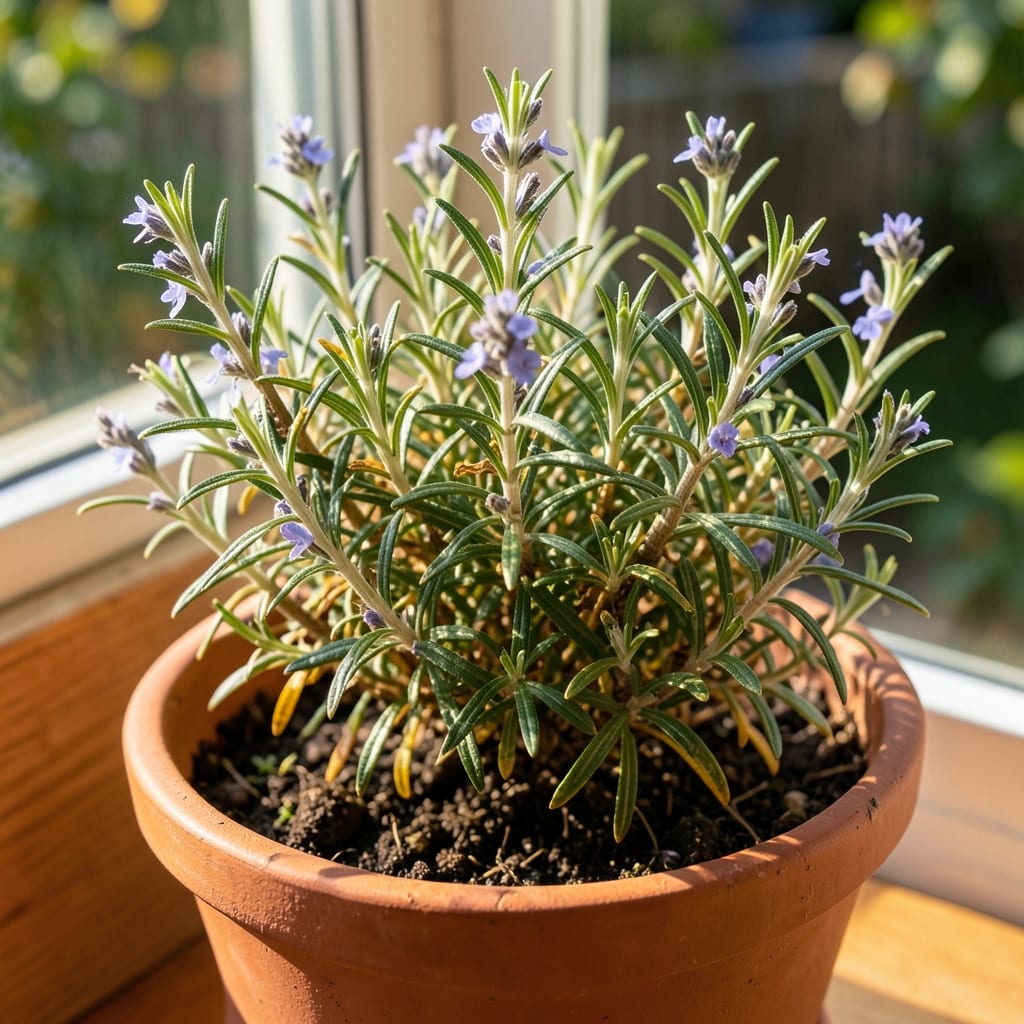
Yellow leaves on rosemary always signal a plant in distress. I’ve seen this happen more times than I can count, and the culprit is usually one of four things: too much water, not enough light, hungry roots, or uninvited pests.
Here’s the thing—rosemary hates wet feet. Overwatering suffocates the roots and blocks nutrient uptake, turning those needle-like leaves pale. But it could also be a nitrogen or iron deficiency, especially if the yellowing starts between the veins.
Don’t panic, though. A few simple adjustments can bring your plant back to its fragrant, vibrant self. Check the soil, adjust your care routine, and watch for new growth within 2-3 weeks.
This guide walks you through diagnosing the issue and fixing it fast. Your rosemary can—and will—bounce back.
Yellowing leaves on your rosemary plant are often a sign of underlying stress or imbalance. Here are the most common causes, explained with actionable insights:
Rosemary is a drought-tolerant Mediterranean herb that hates soggy roots. Overwatering or poorly draining soil suffocates the roots, preventing oxygen uptake and leading to chlorosis (yellowing). The roots may also rot, further stressing the plant. Fix: Let the top 1-2 inches of soil dry out between waterings, and ensure pots have drainage holes.
Yellow leaves can signal a lack of essential nutrients like nitrogen (uniform yellowing), iron (yellowing between veins), or magnesium (yellow patches with green veins). Rosemary thrives in slightly acidic to neutral soil (pH 6.0–7.0). Fix: Test soil pH and amend with compost or a balanced fertilizer. For iron deficiency, apply chelated iron.
Rosemary requires full sun (6–8 hours daily) for healthy growth. Inadequate light disrupts chlorophyll production, causing leaves to turn yellow. Fix: Move potted rosemary to a sunnier spot or supplement with grow lights indoors.
Extreme cold (below 30°F) or sudden temperature swings can shock rosemary, triggering leaf yellowing. Fix: Protect plants with mulch or move pots indoors during cold snaps.
Sap-sucking pests like spider mites or aphids drain nutrients from leaves, causing discoloration. Fix: Inspect undersides of leaves and treat with neem oil or insecticidal soap.
If your rosemary’s leaves are turning yellow, act fast to restore its health. Below are targeted solutions for the most common causes, paired with prevention tips to keep your plant thriving.
Fix: Let the soil dry out completely between waterings. If the roots are soggy, repot the plant in fresh, well-draining soil (mix in perlite or sand). Trim any black, mushy roots before replanting. Use a pot with drainage holes to prevent waterlogging.
Prevention: Water only when the top 1-2 inches of soil are dry. Stick your finger in to check! 💡
Fix: Move your rosemary to a spot with at least 6-8 hours of direct sunlight daily. South-facing windowsills or a sunny patio are ideal. If growing indoors, supplement with a grow light for 12-14 hours a day.
Prevention: Rotate the pot weekly to ensure even light exposure. Avoid shady corners or north-facing windows.
Fix: Feed your rosemary with a balanced, water-soluble fertilizer (10-10-10 or 20-20-20) every 4-6 weeks during the growing season. For nitrogen deficiency (pale yellow leaves), use a fertilizer higher in nitrogen. For iron deficiency (yellow leaves with green veins), apply chelated iron or lower the soil pH slightly (rosemary prefers 6.0-7.0).
Prevention: Mix compost into the soil at planting time for slow-release nutrients. Avoid over-fertilizing, which can burn roots. ✨
Fix: Inspect the plant for spider mites, aphids, or mealybugs. Wipe leaves with a damp cloth or spray with insecticidal soap. For severe infestations, use neem oil (mix 1 tsp per quart of water) and reapply every 5-7 days until pests are gone.
Prevention: Keep the plant clean and dust-free. Isolate new plants for 2 weeks to avoid spreading pests. 🎯
Fix: Rosemary thrives in 60-75°F (15-24°C). If it’s too cold, move it indoors or to a sheltered spot. If it’s too hot, provide afternoon shade and increase humidity with a pebble tray or humidifier.
Prevention: Avoid placing near drafty windows or heaters. Acclimate the plant gradually to outdoor conditions if moving it outside.
Water only when the top 1-2 inches of soil are completely dry. In hot climates, this may mean every 5-7 days, but in cooler weather, it could stretch to 2 weeks. Overwatering is the most common cause of yellowing.
No, once rosemary leaves turn yellow, they won’t recover. However, fixing the underlying issue will encourage new, healthy green growth within 2-3 weeks. Trim the yellow leaves to redirect energy.
Use well-draining, sandy or loamy soil with a pH between 6.0-7.0. Mix in perlite or coarse sand to improve drainage. Avoid heavy clay soils that retain moisture.
Avoid fertilizing during winter dormancy. Resume feeding with a balanced 10-10-10 fertilizer every 4-6 weeks in spring and summer when the plant is actively growing.