
Beautiful Plants For Your Interior
Beautiful Plants For Your Interior
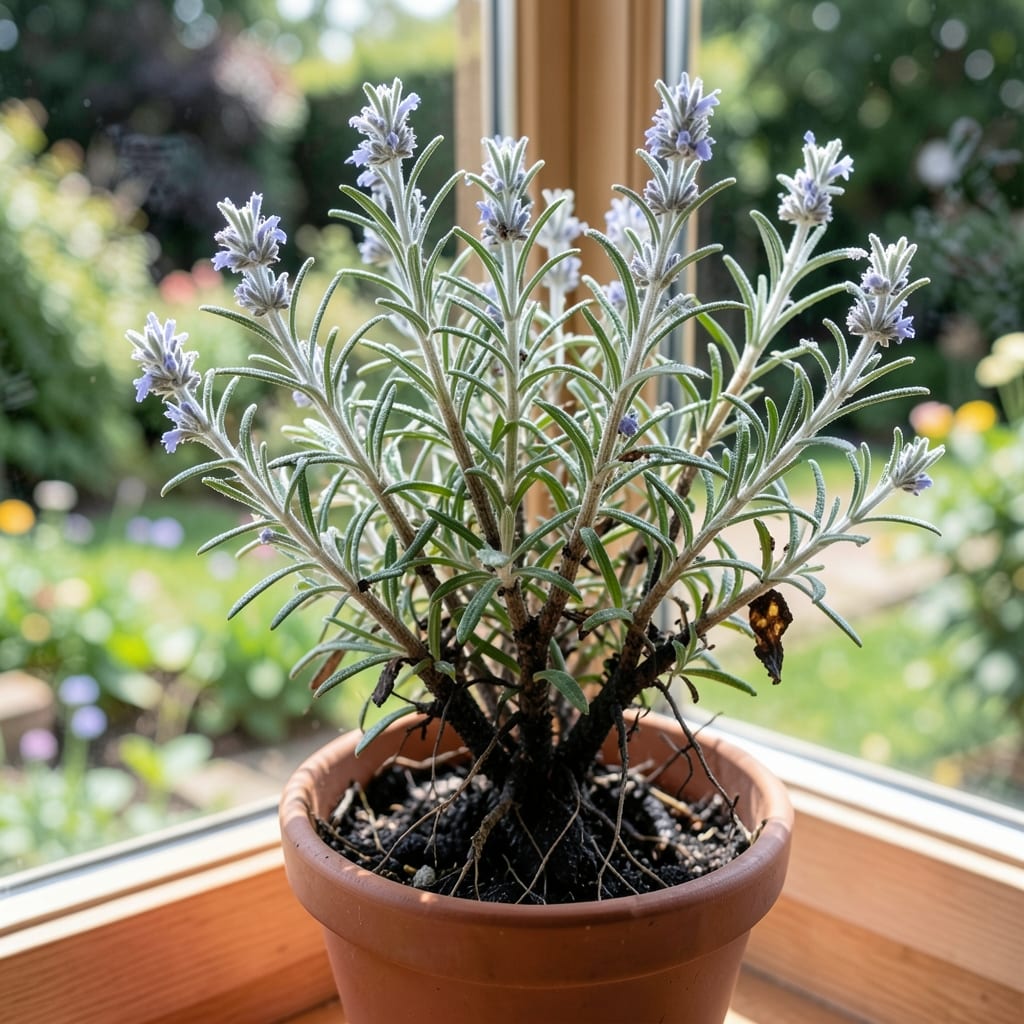
My rosemary looked invincible until it wasn’t. One morning I noticed brown spots spreading across the needles—then entire branches turning crispy. Turns out even this hardy herb has its weaknesses.
Most rosemary problems start with too much moisture or poor air circulation. Root rot, powdery mildew, and botrytis all thrive in damp conditions. The good news? These issues are preventable with better growing practices and early action.
I’ve saved countless plants by catching symptoms early and using simple, natural remedies. Copper fungicides work, but so do baking soda sprays and improved drainage. The key is watching your plants like you mean it.
Healthy rosemary should last for years with minimal fuss. Here’s how to keep yours thriving through every season.
Understanding the root causes of rosemary plant diseases helps prevent them before they take hold. Here are the primary triggers, explained scientifically:
Rosemary thrives in warm, dry climates with well-draining soil. Excessive moisture, poor air circulation, or sudden temperature drops stress the plant, weakening its natural defenses. High humidity creates ideal conditions for fungal pathogens like Phytophthora or powdery mildew to thrive.
Overwatering or planting in heavy, clay-rich soil leads to root rot, a common issue caused by Pythium or Fusarium fungi. Overcrowding plants restricts airflow, promoting foliar diseases. Inconsistent pruning can also leave wounds vulnerable to bacterial infections like bacterial leaf spot.
Pests such as spider mites, aphids, or scale insects pierce plant tissues, creating entry points for pathogens. Their honeydew secretions also encourage sooty mold growth. Weakened plants from pest damage are more susceptible to secondary infections.
Rosemary requires balanced nutrients, particularly nitrogen, phosphorus, and potassium. A lack of potassium compromises cell wall strength, making the plant more prone to fungal attacks. Conversely, excess nitrogen promotes lush but tender growth, which attracts pests and diseases.
Keeping your rosemary healthy starts with quick action and smart prevention. Below are targeted fixes for common issues, paired with tips to stop them from returning.
If you spot white, powdery spots on leaves, prune infected areas immediately and dispose of them in the trash (not compost). Then, spray the plant with a mix of 1 tsp baking soda, 1 quart water, and a few drops of dish soap. Repeat weekly until clear.
Prevention tip: 💡 Space plants 2–3 feet apart for better airflow, and water at the base to keep foliage dry.
Tiny webs or speckled leaves? Blast mites off with a strong water spray, focusing on undersides. For stubborn infestations, apply neem oil (mix 2 tbsp oil with 1 gallon water) every 3–5 days.
Prevention tip: 🌡️ Mites thrive in dry conditions—mist plants regularly or place a tray of water nearby to boost humidity.
Yellowing leaves and mushy stems mean overwatering. Remove the plant from its pot, trim black or slimy roots, and repot in fresh, well-draining soil. Use a terracotta pot to wick away excess moisture.
Prevention tip: ✨ Water only when the top 1–2 inches of soil are dry, and ensure pots have drainage holes.
Brown or black spots? Snip off affected leaves and avoid overhead watering. Disinfect pruners with rubbing alcohol between cuts. A copper fungicide spray can help for severe cases.
Prevention tip: 🎯 Keep the garden clean—remove fallen debris where fungi can hide.
Brown leaves often signal overwatering or poor drainage. Rosemary prefers dry soil between waterings. If the soil stays soggy, roots suffocate, causing leaf browning.
Yes, if caught early. Remove the plant, trim black, mushy roots, and repot in fresh, well-draining soil. Water sparingly until it recovers.
That’s powdery mildew, a fungal issue. Improve airflow and spray with a baking soda solution (1 tsp per quart of water) weekly.
Water when the top 1-2 inches of soil are dry. In hot climates, this may mean watering every 5-7 days. Always check soil moisture first.