
Beautiful Plants For Your Interior
Beautiful Plants For Your Interior
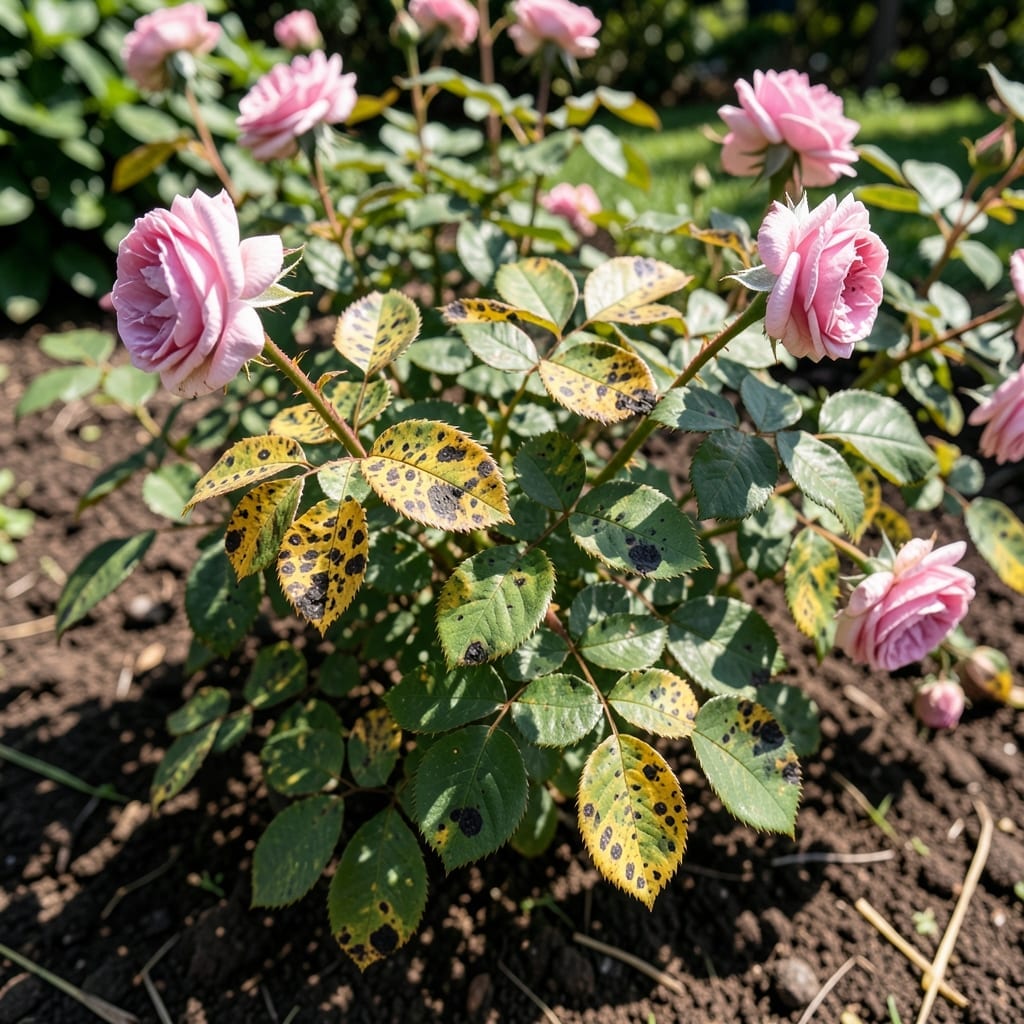
Black spots on leaves or powdery white coating ruining your roses? I’ve been there—watching healthy blooms turn sickly overnight. These issues don’t mean your garden is doomed.
The good news is most rose diseases are preventable with simple habits. Proper spacing, morning watering, and removing fallen leaves cut problems off at the source. I’ve saved countless bushes with just these tweaks.
Natural solutions like neem oil, baking soda sprays, and compost tea restore healthy plants without harsh chemicals. Results show in 1-2 weeks with consistent care.
Works for all rose varieties, from climbers to shrubs. No fancy tools required—just observation and a little patience.
Understanding why rose bush diseases occur is the first step to preventing them. Below are the primary causes, explained with actionable insights to help you protect your garden. 🌹
Fungi like black spot, powdery mildew, and rust thrive in warm, humid conditions. These pathogens spread through spores, often carried by wind or water. Overhead watering and poor air circulation create ideal environments for fungal growth. To minimize risk, water at the base of the plant and space bushes adequately for airflow.
Aphids, spider mites, and thrips weaken rose bushes by feeding on sap, leaving them vulnerable to disease. These pests also spread viral infections like rose mosaic virus. Regularly inspect leaves and stems for signs of infestation, and use organic insecticides or beneficial insects (e.g., ladybugs) for control.
Improper care—such as over-fertilizing, under-watering, or planting in poorly drained soil—stresses roses, reducing their natural defenses. For example, excessive nitrogen promotes lush foliage but softens tissues, making them more susceptible to disease. Ensure balanced fertilization and consistent moisture levels to keep plants resilient.
Bacteria like Xanthomonas and Pseudomonas cause spots, wilts, and cankers. They enter through wounds (e.g., pruning cuts) or splashing water. Sterilize pruning tools with rubbing alcohol and avoid working with wet plants to limit bacterial spread.
Extreme heat, drought, or frost weaken roses, making them prone to opportunistic diseases. Mulching helps regulate soil temperature and retain moisture, while shade cloth can protect against scorching sun. Choose disease-resistant varieties (e.g., Knock Out roses) for high-stress climates.
Keeping your rose bushes healthy starts with quick action and smart habits. Below are practical fixes for common problems, plus tips to stop them from coming back.
Remove infected leaves and destroy them—don’t compost. Apply a baking soda spray (1 tbsp baking soda + 1 tsp dish soap + 1 gallon water) weekly. Prevention tip: Water at the base to keep leaves dry, and ensure good airflow between plants.
Mix 1 part milk to 9 parts water and spray on affected areas. Neem oil also works as a natural fungicide. Prevention tip: Avoid overhead watering and thin out dense foliage to improve ventilation.
Blast aphids off with a strong water spray, or introduce ladybugs as natural predators. For stubborn cases, use insecticidal soap. Prevention tip: Encourage beneficial insects by planting companion flowers like marigolds.
Prune and remove rust-infected leaves and stems immediately. Treat with a copper fungicide or sulfur-based spray. Prevention tip: Space plants properly and clean up fallen debris to reduce fungal spores.
Improve drainage by amending soil with compost or sand. If the plant is severely affected, dig it up, trim rotten roots, and replant in fresh, well-draining soil. Prevention tip: Avoid overwatering and use raised beds if your soil retains too much moisture.
Pro tip: 💡 Regularly inspect your roses for early signs of trouble, and always sanitize pruning tools with rubbing alcohol to prevent spreading disease.
Look for black spots, white powdery coating, or orange rust-colored pustules on leaves. These are classic signs of common fungal issues. Early detection makes treatment easier.
A baking soda spray (1 tbsp per gallon of water) works well for many fungal problems. For pests, try neem oil or insecticidal soap. Always test on a small area first.
Mild cases may improve with better care, but most issues require intervention. Remove infected parts and treat promptly. Consistent care like proper watering speeds up recovery.
Yes, remove and destroy infected leaves immediately to prevent spreading. Don’t compost them, as the fungus can survive and reinfect your garden.