
Beautiful Plants For Your Interior
Beautiful Plants For Your Interior
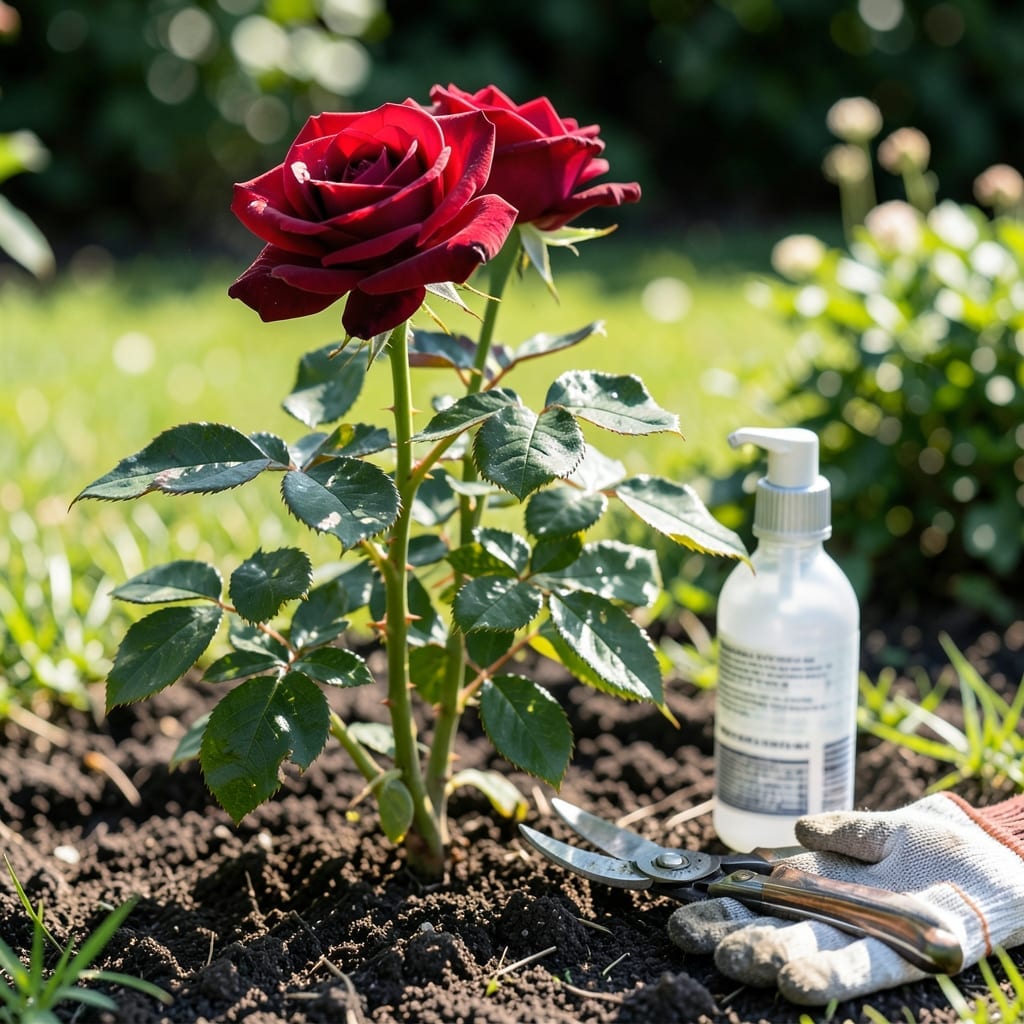
Black spots on your rose leaves mean trouble. I’ve battled rose blight for seasons and found that early action saves the entire plant from defoliation and weak blooms.
The key is catching it before it spreads. Yellow halos around dark spots are your first warning. Organic treatments work best when applied at the first sign, before the fungus takes over the entire bush.
Within 7-10 days of consistent treatment, you’ll see new growth emerging clean and healthy. The difference between quick action and waiting is often the life of your roses.
Works for all rose varieties in any garden setting. Here’s the organic approach that turned my roses around.
Understanding the root causes of rose blight helps you prevent and treat it effectively. Here are the primary factors that lead to this common issue:
Most rose blight cases, like black spot and powdery mildew, are caused by fungal spores (Diplocarpon rosae and Sphaerotheca pannosa, respectively). These spores spread rapidly in wet, humid environments. Overhead watering, poor air circulation, or prolonged leaf wetness (especially in warm weather) create the perfect breeding ground. Action: Water at the base of the plant to keep foliage dry.
Dense plantings or overcrowded rose beds trap moisture and limit airflow, encouraging fungal growth. Roses need space to “breathe”—without it, blight spreads unchecked. Action: Prune regularly to open the center of the bush and ensure at least 3–4 feet between plants.
Cool, damp springs and mild autumns are prime seasons for blight. Fungi activate in 60–75°F (15–24°C) with high humidity. Sudden temperature swings can also stress roses, weakening their defenses. Action: Monitor weather forecasts and apply preventative organic fungicides (e.g., neem oil or sulfur) before rainy periods.
Stressed roses—due to nutrient deficiencies (low nitrogen or potassium), drought, or pest damage—are more susceptible to blight. Healthy plants resist infections better. Action: Fertilize with a balanced organic mix and ensure consistent watering (1–2 inches per week).
Fungal spores can overwinter in fallen leaves, soil, or unsterilized pruning tools. If not removed, they reinfect new growth in spring. Action: Clean up leaf litter, sterilize tools with rubbing alcohol, and rotate planting locations if blight recurs annually.
Dealing with rose blight can feel overwhelming, but with the right approach, your roses can thrive again! 🌹 Below are practical solutions tailored to specific causes, along with prevention tips to keep your garden healthy.
If black spots or powdery mildew appear, act fast! Prune infected leaves and stems immediately—dispose of them in sealed bags (not compost). Apply neem oil or a baking soda spray (1 tbsp baking soda + 1 tsp dish soap + 1 gallon water) weekly. Prevention: Space plants for airflow, water at the base (not leaves), and avoid overhead watering. 💡
Crowded roses trap moisture, breeding blight. Thin out dense foliage and trim nearby weeds. Ensure plants are spaced 3–4 feet apart for proper airflow. Prevention: Prune regularly and choose disease-resistant rose varieties like ‘Knock Out’ or ‘Earth-Kind’. ✨
Soggy soil stresses roses, making them vulnerable. Water deeply but infrequently (1–2 inches per week), preferably in the morning. Use drip irrigation to keep foliage dry. Prevention: Improve drainage with compost or mulch. 🌡️
Weak roses lack resistance. Use a balanced organic fertilizer (10-10-10) or compost tea monthly. Avoid high-nitrogen feeds, which promote leafy growth (a blight magnet). Prevention: Test soil pH (aim for 6.0–6.5) and amend as needed. 🎯
Pro Tip: Rotate treatments (e.g., alternate neem oil with sulfur sprays) to prevent resistance. Consistency is key—stick to a schedule!
Apply organic fungicides like neem oil or baking soda spray every 7-10 days during active growth. For prevention, treat every 2-3 weeks in damp seasons. Consistency prevents spores from taking hold.
Yes, but start with organic options first. If needed, copper-based fungicides work well but follow label instructions carefully. Avoid using chemicals during blooming periods to protect pollinators.
Recurring blight usually means spores are overwintering in soil or debris. Remove all fallen leaves in autumn and sterilize pruning tools. Improve airflow and avoid overhead watering to break the cycle.
Remove and seal infected leaves immediately in a plastic bag. Then apply a fungicide within 24 hours. This stops spores from spreading to healthy foliage. Speed is critical.