
Beautiful Plants For Your Interior
Beautiful Plants For Your Interior
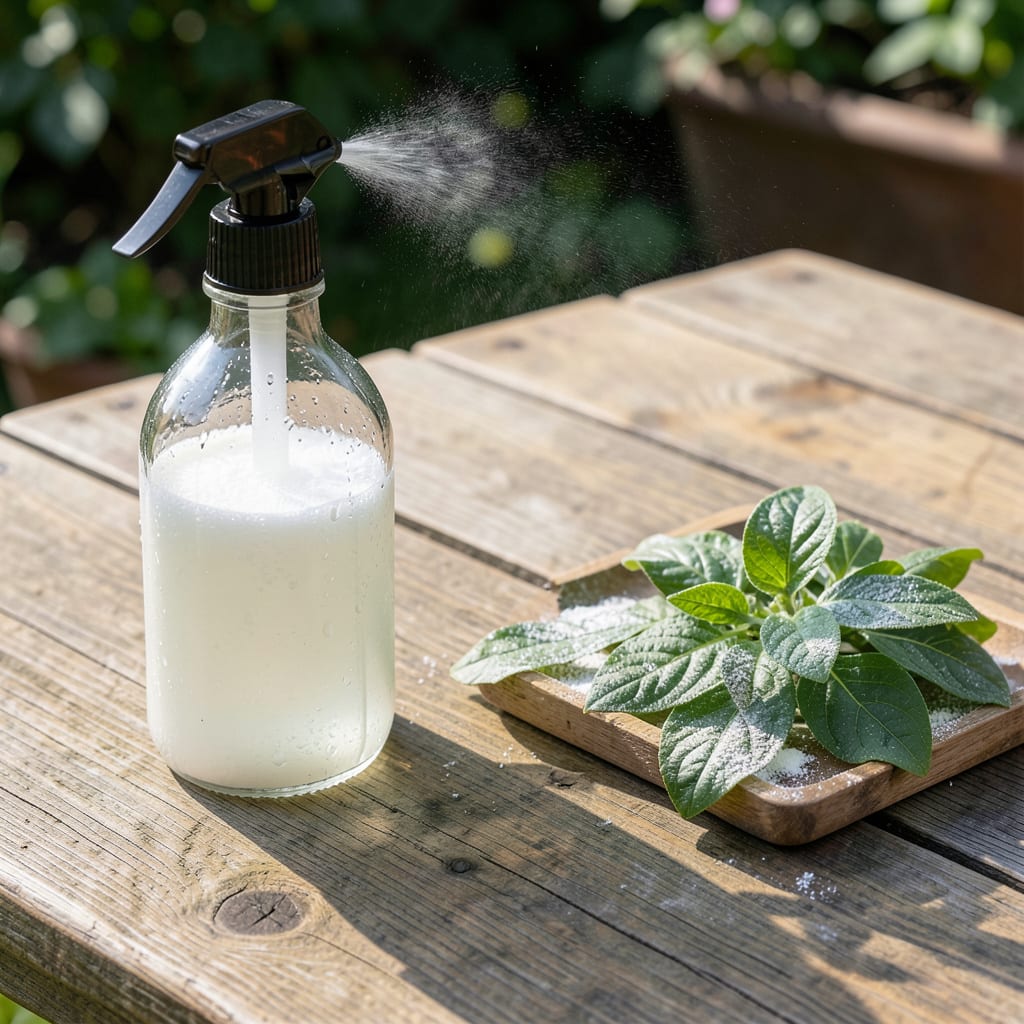
I lost half my zucchini crop to powdery mildew last summer before discovering this homemade solution. It’s the simplest fix I’ve found for that white, powdery coating that spreads like wildfire across leaves.
Baking soda disrupts the fungus’s ability to grow, and it’s gentle enough for most plants. The treatment works best when applied early, before the problem takes over. I mix it with water and a drop of soap for better coverage.
Your plants will look healthy again within a week or two, and the best part is you’re not introducing harsh chemicals to your garden. Just be sure to apply it on overcast days to prevent leaf burn.
Works for roses, cucumbers, squash, and most other susceptible plants. Here’s exactly how to mix and apply it.
Powdery mildew is a common fungal disease that thrives under specific conditions, often leaving gardeners frustrated. Understanding its causes helps you prevent and treat it effectively.
This fungus prospers in environments with high humidity (60-80%) and stagnant air. When moisture lingers on plant surfaces—especially in crowded gardens or greenhouses—spores germinate rapidly. Overwatering or dense plantings create the perfect breeding ground.
Powdery mildew thrives in moderate temperatures (60-80°F). The combination of warm days and cool, dewy nights accelerates spore production. Unlike other fungi, it doesn’t need free water to grow—just moisture in the air.
Some plants are genetically more vulnerable, including roses, cucumbers, squash, and grapes. New growth is especially prone because its tender tissues lack protective barriers. Stress from drought or poor soil health weakens plants further, making them easy targets.
Watering from above leaves foliage wet for extended periods, inviting fungal spores to settle. Drip irrigation or soaker hoses at the base of plants reduce this risk by keeping leaves dry.
Powdery mildew doesn’t have to spell doom for your garden. With a simple baking soda spray, you can tackle the fungus and restore your plants’ health. Here’s how to solve the problem for each common cause:
Crowded plants trap moisture and create a breeding ground for mildew. Fix it by thinning out dense foliage and spacing plants at least 12–18 inches apart. Use a fan in greenhouses or indoor setups to keep air moving. Apply a baking soda spray (1 tbsp baking soda + 1 quart water + 1 tsp dish soap) weekly to prevent regrowth.
Wet leaves and soggy soil invite fungal growth. Water at the base of plants early in the day to allow foliage to dry quickly. If mildew appears, reduce watering frequency and switch to a soaker hose. Spray affected leaves with the baking soda solution every 5–7 days until the issue clears.
Mildew thrives in humid conditions. Lower humidity around plants by watering in the morning, using mulch to reduce soil splashing, and removing weeds that trap moisture. A baking soda spray acts as a protective barrier—reapply after rain or heavy dew.
Consistency is key—stick with the baking soda treatment and these fixes to keep your garden mildew-free! ✨
Apply every 5-7 days for active infections, or weekly as prevention. Reapply after rain or heavy dew, as water can wash it away. Consistency is key for best results.
Most plants tolerate it well, but test on a small area first. Avoid delicate plants like ferns. The solution is gentle but may harm very sensitive foliage.
The soap helps the solution stick to leaves and spread evenly. Use 1 teaspoon of mild dish soap per quart of water. Without it, the spray may bead up and roll off.
Early morning or late evening is ideal. Avoid hot, sunny midday hours to prevent leaf burn. This timing allows the solution to dry gently on the leaves.
