
Beautiful Plants For Your Interior
Beautiful Plants For Your Interior
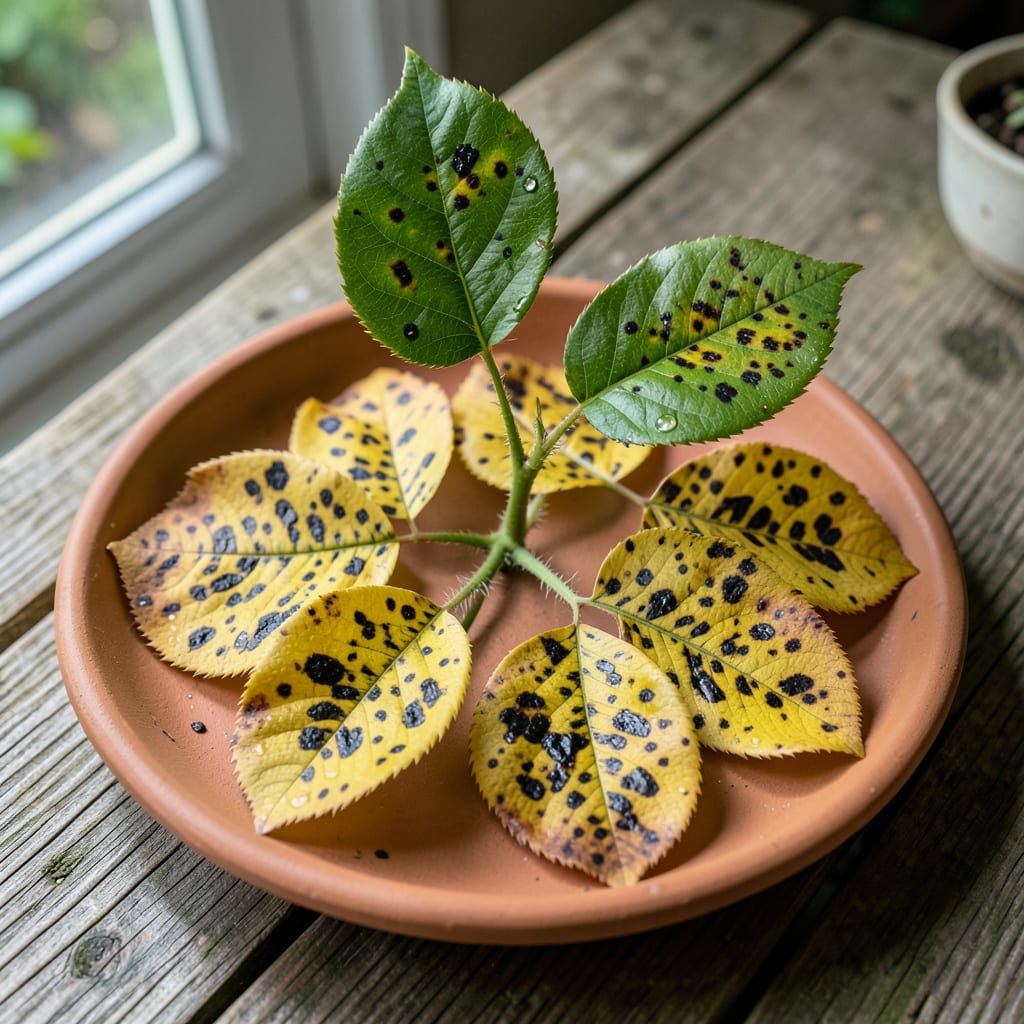
Those yellow leaves with black spots aren’t just ugly—they’re a warning sign. 🌿 I’ve seen this pattern in my own roses, and it always points to one culprit: black spot fungus.
The good news? This isn’t a death sentence. With the right approach, you can stop the spread and nurse your roses back to health. It starts with removing infected leaves and ends with a simple spray solution.
You’ll see new growth return within 2-3 weeks if you act fast. The key is consistency—treat weekly until the problem disappears, then keep an eye out for early signs next season.
Works for all rose varieties, from climbers to shrubs. Let’s tackle this before it takes over.
Rose leaves turning yellow with black spots are often a sign of underlying issues. Here are the most common causes:
Fungal diseases like black spot (Diplocarpon rosae) are a primary culprit. The fungus thrives in wet, humid conditions, producing spores that infect leaves, causing yellowing (chlorosis) and characteristic black lesions. Poor air circulation and overhead watering exacerbate the problem.
Excess moisture stress the plant, weakening its defenses. Waterlogged soil suffocates roots, reducing nutrient uptake. This leads to yellowing leaves, while stagnant water on foliage invites fungal spores to settle and multiply, creating black spots.
A lack of essential nutrients like magnesium (interveinal yellowing) or nitrogen (uniform yellowing) can cause discoloration. Weakened plants are more susceptible to secondary infections, which may manifest as black spots.
Pests like aphids and spider mites damage leaves by sucking sap, leading to yellowing. Their sticky residue (honeydew) also promotes sooty mold growth, which appears as black spots. Regular inspection helps catch infestations early.
Extreme temperatures, sudden frost, or excessive sun exposure can weaken roses. Heat stress may cause leaf scorch (yellowing and browning), while cold damage creates entry points for pathogens, leading to black spots.
If your rose leaves are turning yellow with black spots, the issue is likely fungal. Here’s how to tackle each cause with simple, actionable fixes and prevention tips to keep your roses thriving.
Start by pruning infected leaves and stems with clean shears, and dispose of them in the trash (not compost). Apply a fungicide like neem oil or copper-based spray, following label instructions. Reapply every 7–10 days or after rain.
Prevention tip: 💡 Water at the base of the plant in the morning to keep foliage dry. Space roses for good airflow.
Let the soil dry slightly between waterings. If the soil stays soggy, improve drainage by amending with compost or moving the plant to a raised bed. Use a moisture meter to avoid guesswork.
Prevention tip: ✨ Mulch with bark or straw to prevent water from splashing onto leaves, which spreads fungal spores.
Yellow leaves can signal a lack of nitrogen or magnesium. Use a balanced rose fertilizer (10-10-10) or add Epsom salt (1 tablespoon per gallon of water) for magnesium. Test soil pH—roses prefer 6.0–6.5.
Prevention tip: 🎯 Fertilize monthly during growing season, but avoid overfeeding, which can stress the plant.
Check undersides of leaves for aphids or spider mites. Blast them off with water or use insecticidal soap. For severe infestations, apply horticultural oil.
Prevention tip: 🌡️ Encourage beneficial insects like ladybugs by planting companion flowers like marigolds.
Left untreated, black spot can spread through a rose bush in 1-2 weeks, especially in warm, wet conditions. Remove infected leaves immediately and begin treatment to stop it.
Yes! Prune all yellow and spotted leaves, then apply fungicide weekly for 4-6 weeks. New growth should emerge healthy if the roots are strong.
Apply sprays in the early morning so foliage dries quickly. Avoid evening treatments, as damp leaves overnight encourage fungal growth.
If treated properly, your rose will recover and bloom normally next season. Consistency is key—keep up preventative sprays in early spring.
