
Beautiful Plants For Your Interior
Beautiful Plants For Your Interior
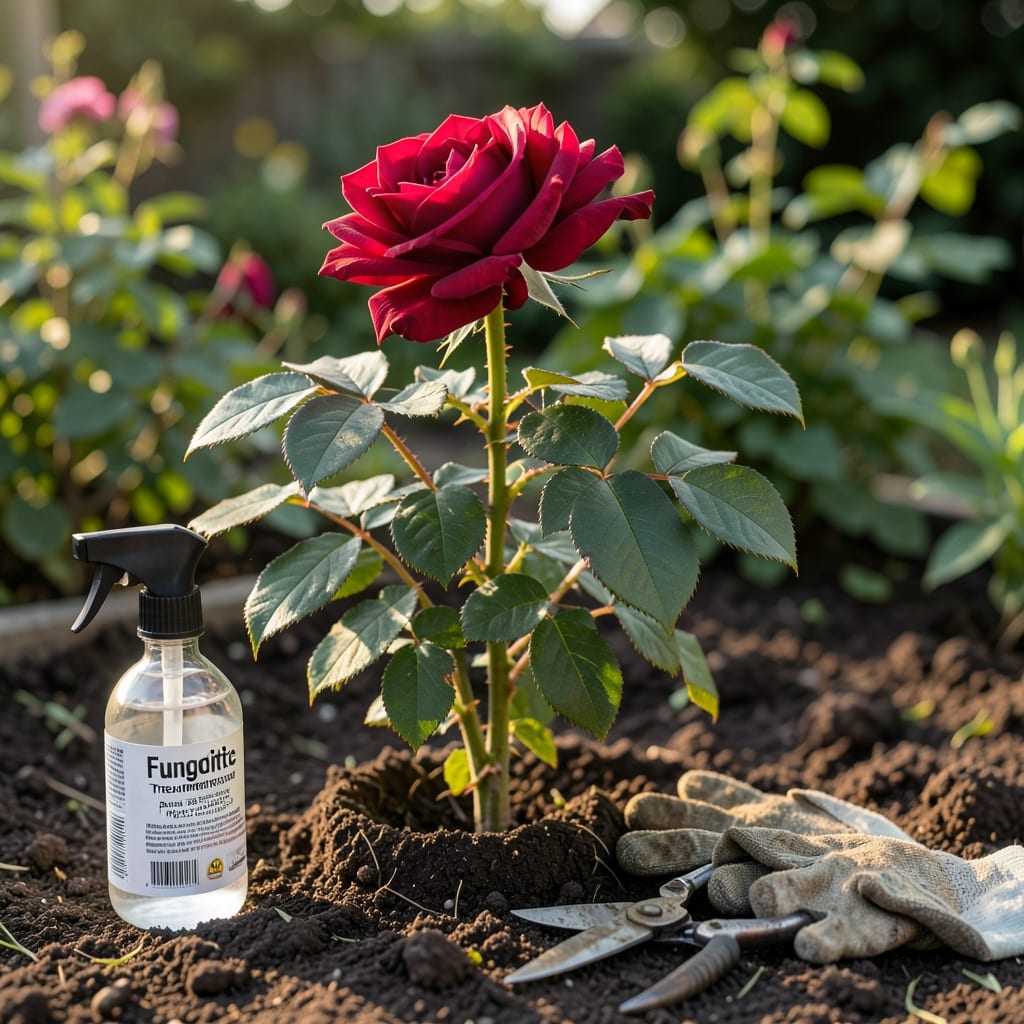
Black spots on your rose leaves aren’t just ugly—they’re a warning. I lost half my bushes one season before learning to catch blight early. The difference between salvage and disaster often comes down to 24 hours.
This isn’t about fancy sprays or expensive treatments. Regular inspection, proper watering habits, and quick action with simple remedies can stop outbreaks before they spread. Most gardeners overlook the first subtle signs.
You’ll spot the telltale purple-edged spots, yellowing leaves, and stunted growth before they take over. Healthy roses bounce back faster than you’d expect when you intervene at the right moment.
Works for all rose types, from climbers to shrubs. Early detection saves time, money, and your favorite plants.
Rose blight doesn’t appear out of thin air—it’s usually the result of specific environmental or cultural conditions that encourage fungal or bacterial growth. Understanding these triggers is the first step toward prevention. Here’s why your roses might be falling victim to this frustrating issue:
Most rose blights, like black spot (Diplocarpon rosae) and powdery mildew (Podosphaera pannosa), thrive in humid, warm environments (60–80°F). Overhead watering, poor air circulation, or crowded plantings create the perfect breeding ground. Spores spread via wind, rain, or contaminated tools, infecting leaves, stems, and buds.
Roses with wet leaves for 6+ hours are prime targets. Morning dew, frequent rain, or improper irrigation (especially late-day watering) give pathogens time to germinate. Drip irrigation at the base and pruning for airflow can drastically reduce this risk.
Weakened roses—due to nutrient deficiencies (e.g., low nitrogen or potassium), drought stress, or root damage—lack the vigor to fend off infections. Over-fertilizing (especially with high-nitrogen blends) can also promote lush, susceptible growth.
Blight pathogens overwinter in soil and fallen leaves. If old infected debris isn’t removed, spores can reinfect new growth in spring. Mulching with clean compost and sanitizing pruning tools (with 10% bleach solution) helps break the cycle.
Some blight strains, like downy mildew (Peronospora sparsa), evolve resistance to fungicides. Overusing the same treatment can render it ineffective, allowing the disease to spread unchecked. Rotate fungicides with different active ingredients (e.g., copper, neem oil) to stay ahead.
Combatting rose blight starts with identifying the cause and applying targeted fixes. Below are practical solutions for common blight triggers, along with prevention tips to keep your roses thriving.
If black spots or powdery mildew appear, prune infected leaves and stems immediately—disinfect tools between cuts to avoid spreading spores. Apply a copper-based fungicide or neem oil weekly until the issue clears. Prevention tip: 💡 Water at the base (not overhead) and space plants for airflow.
Soggy soil fosters blight. Let the top inch of soil dry before watering again, and use drip irrigation to keep foliage dry. Prevention tip: ✨ Mulch with organic matter to improve drainage and reduce splash-back.
Crowded roses trap moisture, inviting disease. Thin out dense growth and prune crossing branches to improve airflow. Prevention tip: 🎯 Plant roses at least 3 feet apart and in sunny spots to discourage humidity buildup.
If blight persists, the soil may harbor pathogens. Remove the top 2 inches of soil and replace it with fresh, sterile mix. Alternatively, treat with a soil drench fungicide. Prevention tip: 🌡️ Rotate planting spots yearly to break disease cycles.
Consistency is key—monitor roses weekly for early signs and act fast to stop blight in its tracks!
Check your roses at least once a week, focusing on the undersides of leaves and new growth. Early detection of spots or discoloration makes treatment much easier.
A baking soda solution (1 tablespoon baking soda + 1 gallon water + 1 teaspoon dish soap) can work for mild cases. Apply weekly as a preventative spray.
Spores can survive in soil or on old leaves. Always remove fallen debris and sanitize pruning tools with 10% bleach solution to prevent reinfection.
No, composting can spread the disease. Bag and dispose of infected material in the trash instead. This breaks the cycle of reinfection.