
Beautiful Plants For Your Interior
Beautiful Plants For Your Interior
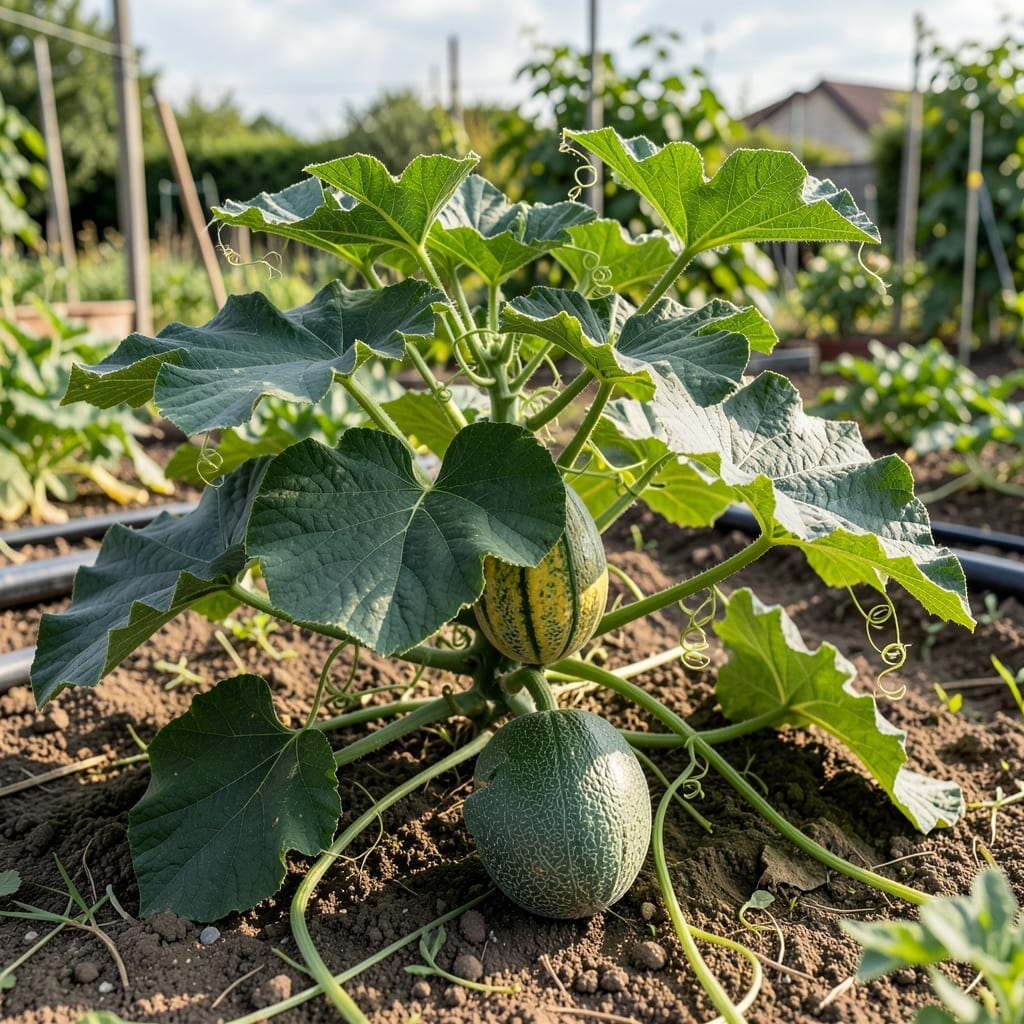
Spotted something off on your cantaloupe leaves? Early detection can save your entire crop from common issues like yellowing, pests, or fungal diseases.
I learned the hard way that ignoring small brown spots or curled edges leads to big problems fast. This guide helps you spot trouble before it spreads.
📚 In This Guide
Use this methodical approach to catch problems early and protect your vines.
Begin by inspecting the upper surface of each leaf under bright, natural light. Look for subtle changes in color or texture that often appear first. Early powdery mildew presents as faint white, dusty spots, while downy mildew shows as pale yellow patches with fuzzy undersides.
I always use a hand lens for this step—many diseases reveal themselves through microscopic spores or fungal structures that aren’t visible to the naked eye. Pay special attention to older leaves first, as they typically show symptoms before newer growth.
Turn each leaf gently to examine the underside, where many diseases manifest first. Look for purple or brown lesions that indicate anthracnose, or the distinctive yellow-orange pustules of rust. These underside symptoms often appear 3-5 days before becoming visible on the upper surface.
The veins often reveal problems first. Discolored or darkened veins can signal bacterial wilt, while watersoaked lesions along veins may indicate bacterial leaf spot. I check the undersides weekly during humid weather, as moisture accelerates disease development.
Note whether symptoms appear randomly or in distinct patterns across the plant. Circular spots with concentric rings suggest alternaria leaf spot, while angular lesions bounded by veins indicate bacterial issues. This pattern recognition helps distinguish between fungal, bacterial, and viral problems.
I map affected leaves on paper to track progression. If symptoms spread from lower to upper leaves, it’s often a systemic issue. If they appear in isolated patches, it might be environmental stress or localized infection. This documentation becomes crucial for accurate diagnosis.
Look beyond the leaves for supporting evidence. Stunted growth or wilting vines often accompany serious diseases. Check stems for cankers or oozing lesions, and examine fruit for premature rot or unusual spotting. These secondary symptoms often confirm what the leaves suggest.
I pay special attention to the leaf petioles and where they attach to the stem. Dark, sunken cankers at these junctions often indicate gummy stem blight, a particularly destructive disease. The presence of honeydew or sooty mold might suggest aphid infestation, which can transmit viral diseases.
Early morning inspections are most revealing, as dew often highlights fungal growth that’s invisible when dry. I carry a small flashlight to check leaf undersides in the pre-dawn light when moisture levels are highest.
Use these insights to refine your detection method and catch issues sooner.
Lighting Essentials: In Step 1, bright natural light is non-negotiable—artificial lighting can mask subtle color changes in leaf surfaces. I’ve found that inspecting leaves between 10 AM and 2 PM, when sunlight is strongest, reveals the faintest early signs of powdery mildew or downy mildew that might otherwise go unnoticed.
Timing Insight: The 3-5 day window mentioned in Step 2 for underside symptoms is critical. These symptoms often appear here first because the undersides retain more moisture, creating an ideal environment for fungal and bacterial growth. Don’t wait for upper surface signs—by then, the disease may have already spread.
Documentation Strategy: In Step 3, mapping affected leaves is more than just record-keeping. It helps you identify patterns that distinguish between systemic infections (which move upward) and localized issues (which appear in isolated patches). This can save you from misdiagnosing the problem entirely.
Yes! Early symptoms like yellowing, spots, or wilting often appear on leaves before spreading. Regularly inspecting leaves helps catch issues like powdery mildew or downy mildew early for better control.
Inspect leaves in the morning when dew is present, as dampness can highlight fungal spores or lesions. Aim for weekly checks, especially during humid or wet weather when diseases thrive.
Absolutely! Neem oil, baking soda sprays, or copper-based fungicides can combat fungal infections. Remove heavily infected leaves immediately to prevent spread.
This could signal nutrient deficiencies (like nitrogen or potassium) or overwatering. Check soil moisture and fertility, and adjust care accordingly to restore leaf health.