
Beautiful Plants For Your Interior
Beautiful Plants For Your Interior
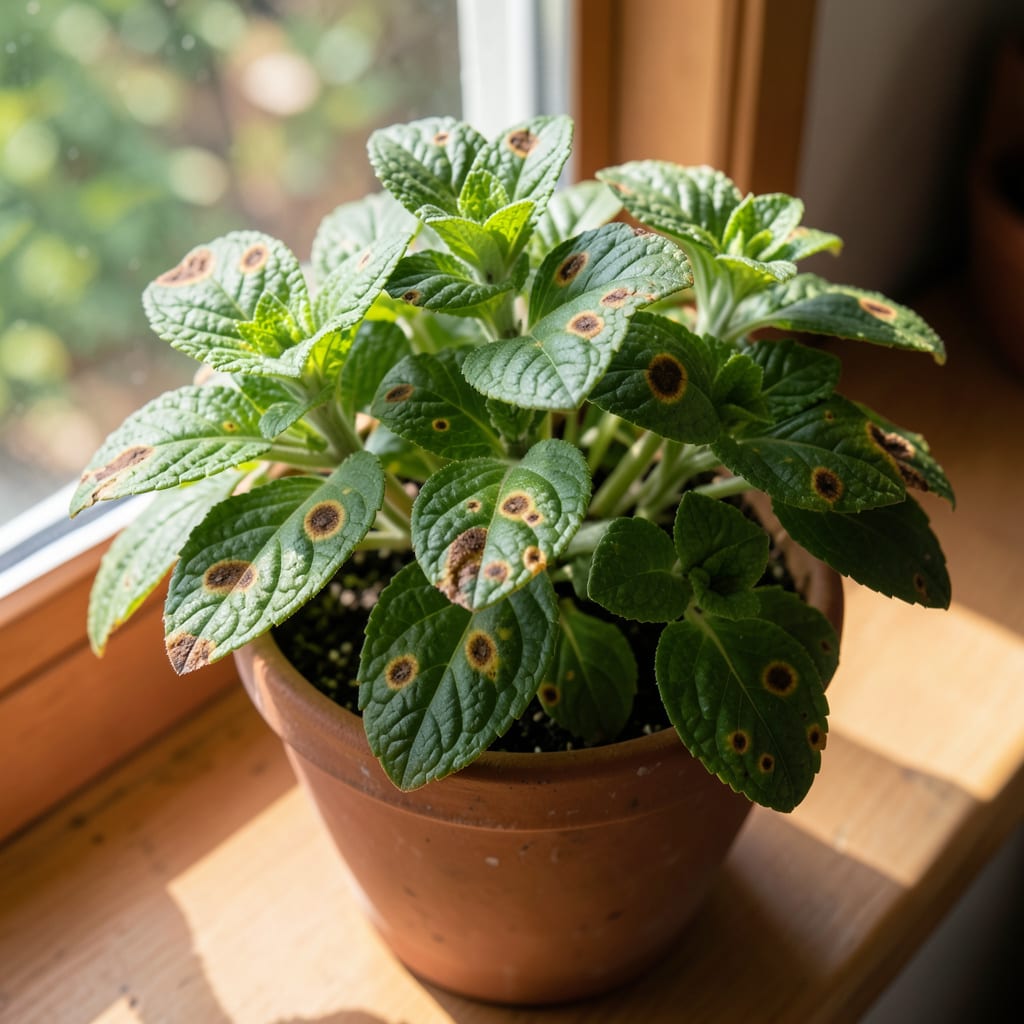
Those brown spots on your mint aren’t just unsightly—they’re your plant’s distress signal. I’ve seen this pattern too often: what starts as a few speckles can spread overnight, turning vibrant leaves into crispy ruin.
Here’s the thing—it’s rarely just one culprit. Overwatering, fungal spores, or sap-sucking pests all leave their mark. The good news? Each has telltale signs you can spot with a close look and a little know-how.
With the right diagnosis, you can stop the spread within 48 hours and nurse your mint back to its fragrant, vibrant green self. The fix often starts with adjusting your watering routine or isolating the plant.
Works for potted mint, garden patches, or windowsill herbs. Let’s figure this out.
Brown spots on mint plants often signal underlying stress or disease. Here are the most common causes, explained with actionable insights:
Fungi like Alternaria or Cercospora thrive in damp, poorly ventilated conditions. They produce spores that infect leaves, creating circular or irregular brown spots with darker edges. Overhead watering and high humidity accelerate their spread. Solution: Improve airflow, water at the base, and apply copper-based fungicides preventatively.
Sap-sucking pests such as spider mites, aphids, or thrips pierce leaf tissues, causing cellular damage that appears as brown or yellowish spots. Check the undersides of leaves for tiny insects or webbing. Solution: Blast pests off with water or use insecticidal soap for severe cases.
Extreme heat, cold drafts, or sudden temperature swings can scorch mint leaves, leading to dry, crispy brown patches. Mint prefers consistent moisture and partial shade. Solution: Move potted plants to stable environments and mulch garden beds to regulate soil temperature.
Both overwatering and underwatering can cause brown spots. Root rot from soggy soil blocks nutrient uptake, while drought stress leads to leaf tip burn. Solution: Water when the top inch of soil is dry, and ensure containers have drainage holes.
A lack of potassium or magnesium may manifest as brown spotting, often accompanied by yellowing. Mint in depleted soil or with pH imbalances (ideal: 6.0–7.0) struggles to absorb essential nutrients. Solution: Test soil and amend with compost or a balanced organic fertilizer.
Once you’ve identified the cause, these targeted fixes will help your mint bounce back. Address each issue promptly to restore your plant’s health and vibrancy.
Fungal problems like leaf spot or rust thrive in damp, crowded conditions. Start by removing affected leaves with clean shears to prevent spreading. Thin out dense foliage to boost airflow. For mild cases, spray leaves with a baking soda solution (1 tsp baking soda + 1 quart water + a drop of dish soap). For stubborn infections, apply a copper-based fungicide every 7–10 days. Prevention tip: 💡 Water at the base of the plant early in the day so leaves dry quickly.
Spider mites, aphids, or thrips leave brown spots as they feed. Blast pests off with a strong stream of water, then wipe leaves with neem oil or insecticidal soap. For severe infestations, introduce beneficial insects like ladybugs. Prevention tip: 🌡️ Keep the area clean and avoid over-fertilizing, which attracts pests.
Root rot from soggy soil causes brown, wilting leaves. Let the top inch of soil dry out before watering again. Ensure pots have drainage holes, and use well-draining soil. If roots are mushy, trim affected areas and repot in fresh soil. Prevention tip: ✨ Stick your finger in the soil—water only when the top feels dry.
Mint prefers bright, indirect light. If leaves develop crispy brown edges, move the plant to a spot with afternoon shade or use a sheer curtain to filter intense sunlight. Prevention tip: 🎯 Acclimate indoor plants gradually to outdoor conditions to avoid shock.
Yes, soggy soil leads to root rot, which blocks nutrient uptake and causes brown, wilting leaves. Always let the top 1 inch of soil dry before watering again.
Check leaf undersides for tiny insects or webbing. Sap-sucking pests like spider mites and aphids leave brown or yellowish damage. Use neem oil or insecticidal soap for treatment.
Remove spotted leaves with clean shears to prevent fungal or pest spread. Always disinfect tools between cuts to avoid contaminating healthy foliage.
If most leaves are damaged, trim back to healthy growth and improve conditions. Ensure proper drainage, airflow, and light. Most mint recovers within 2-3 weeks with care.
