
Beautiful Plants For Your Interior
Beautiful Plants For Your Interior
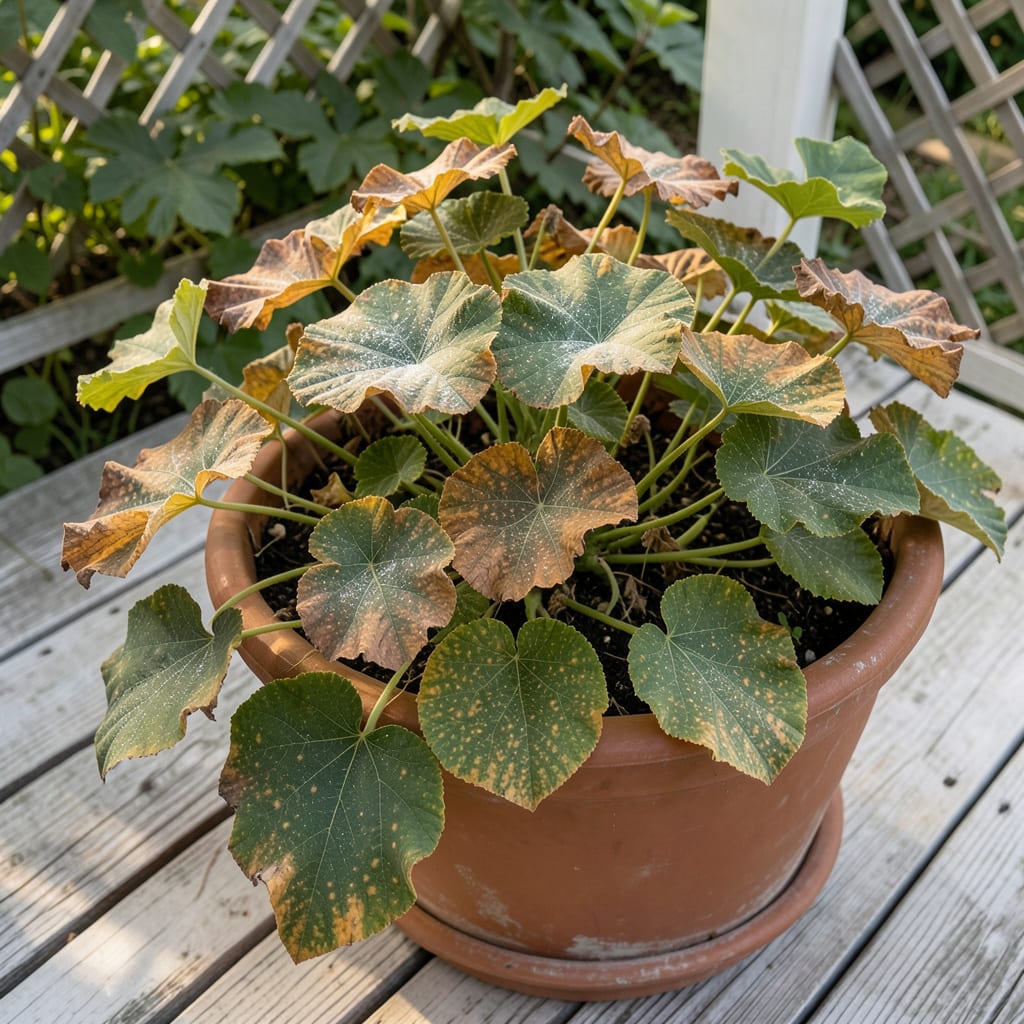
Brown cantaloupe leaves don’t always mean the end of your crop. I’ve saved more vines than I can count by catching the problem early and addressing the root cause.
This issue usually stems from water stress, disease, or nutrient imbalances. The good news? Most fixes are simple once you know what to look for. Check the soil moisture, inspect for pests, and examine the leaf patterns closely.
With the right adjustments, your plants can bounce back within 7-10 days. Healthy vines mean sweeter melons, and the sooner you act, the better your chances of a full harvest.
Works for backyard gardens, raised beds, or container cantaloupes. Here’s how to diagnose and treat it.
Cantaloupe leaves turning brown often signal underlying issues that disrupt the plant’s health. Below are the most common causes, each with actionable insights to help you diagnose and address the problem.
Excessive heat or direct, intense sunlight can scorch cantaloupe leaves, leading to browning at the edges or between veins. Cantaloupes thrive in warm conditions (75–85°F), but temperatures above 90°F can cause heat stress. The plant’s cells lose moisture faster than the roots can replenish it, resulting in necrosis (tissue death). Shade cloth or afternoon watering can mitigate this.
Both underwatering and overwatering trigger browning. Underwatered cantaloupes develop crispy, dry edges due to xylem cavitation—where air bubbles block water transport. Overwatering, on the other hand, suffocates roots, preventing oxygen uptake and leading to root rot. Ensure consistent moisture (1–2 inches of water weekly) and well-draining soil.
Pathogens like Alternaria leaf spot or Powdery Mildew cause brown or yellowish patches with dark halos. Fungi thrive in high humidity and poor air circulation. Spores germinate on wet leaves, producing toxins that kill plant cells. Remove infected foliage immediately and apply copper-based fungicides preventatively.
A lack of potassium or magnesium often manifests as browning leaf margins. Potassium deficiency starts at the older leaves, while magnesium shortage affects middle-aged leaves first. Conduct a soil test and amend with wood ash (for potassium) or Epsom salt (for magnesium) to restore balance.
Sap-sucking pests like aphids or spider mites weaken leaves, causing them to yellow, curl, and eventually brown. Their feeding disrupts chlorophyll production and may introduce viruses. Inspect leaf undersides and use neem oil or insecticidal soap at first signs of infestation.
Don’t panic—brown leaves on your cantaloupe plants are often fixable with a few targeted adjustments. Below are practical solutions for the most common causes, plus prevention tips to keep your vines thriving. 🌱
Fix: Check soil moisture 1–2 inches deep. If dry, water deeply at the base (not leaves) to encourage root growth. If soggy, hold off on watering and improve drainage by mixing in compost or sand. Aim for consistently moist but not waterlogged soil.
Prevent: Use mulch to retain moisture and water early in the day to reduce evaporation. A drip irrigation system helps avoid overwatering.
Fix: Remove affected leaves immediately to prevent spread. Apply a copper-based fungicide or a DIY spray of 1 tsp baking soda + 1 quart water + a drop of dish soap. For severe cases, use neem oil weekly until symptoms subside.
Prevent: Space plants 2–3 feet apart for airflow, and avoid overhead watering. Rotate crops yearly to deter pathogens.
Fix: Shield plants with shade cloth during peak afternoon heat (especially in zones above 90°F). Ensure they receive 6–8 hours of morning sun but protection from scorching midday rays.
Prevent: Plant in well-draining soil and use organic mulch to keep roots cool. Consider heat-tolerant cantaloupe varieties like ‘Athena’ or ‘Hale’s Best’.
Fix: Yellowing leaves with brown edges? Test soil—low potassium or magnesium is often the culprit. Amend with compost or a balanced fertilizer (10-10-10). For quick fixes, use a foliar spray of Epsom salt (1 tbsp/gallon of water) for magnesium.
Prevent: Feed plants with compost tea every 2–3 weeks during the growing season. Avoid over-fertilizing with nitrogen, which can cause leaf burn.
Fix: Inspect leaves for aphids, spider mites, or cucumber beetles. Blast pests off with water or apply insecticidal soap. For beetles, handpick them early in the morning when they’re sluggish.
Prevent: Attract beneficial insects (like ladybugs) with companion plants such as marigolds or dill. Row covers can also protect young plants.
Pro tip: 💡 Act fast—early intervention makes all the difference!
Fungal infections like Alternaria or Powdery Mildew often create brown patches with dark halos. High humidity and poor airflow encourage these pathogens. Remove infected leaves immediately to prevent spread.
Yes, intense sunlight above 90°F can scorch leaves, causing browning at edges or between veins. Use shade cloth during peak afternoon heat while ensuring 6-8 hours of morning sun.
Provide 1-2 inches of water weekly, keeping soil consistently moist but not soggy. Water deeply at the base in the morning, and use mulch to retain moisture.
