
Beautiful Plants For Your Interior
Beautiful Plants For Your Interior
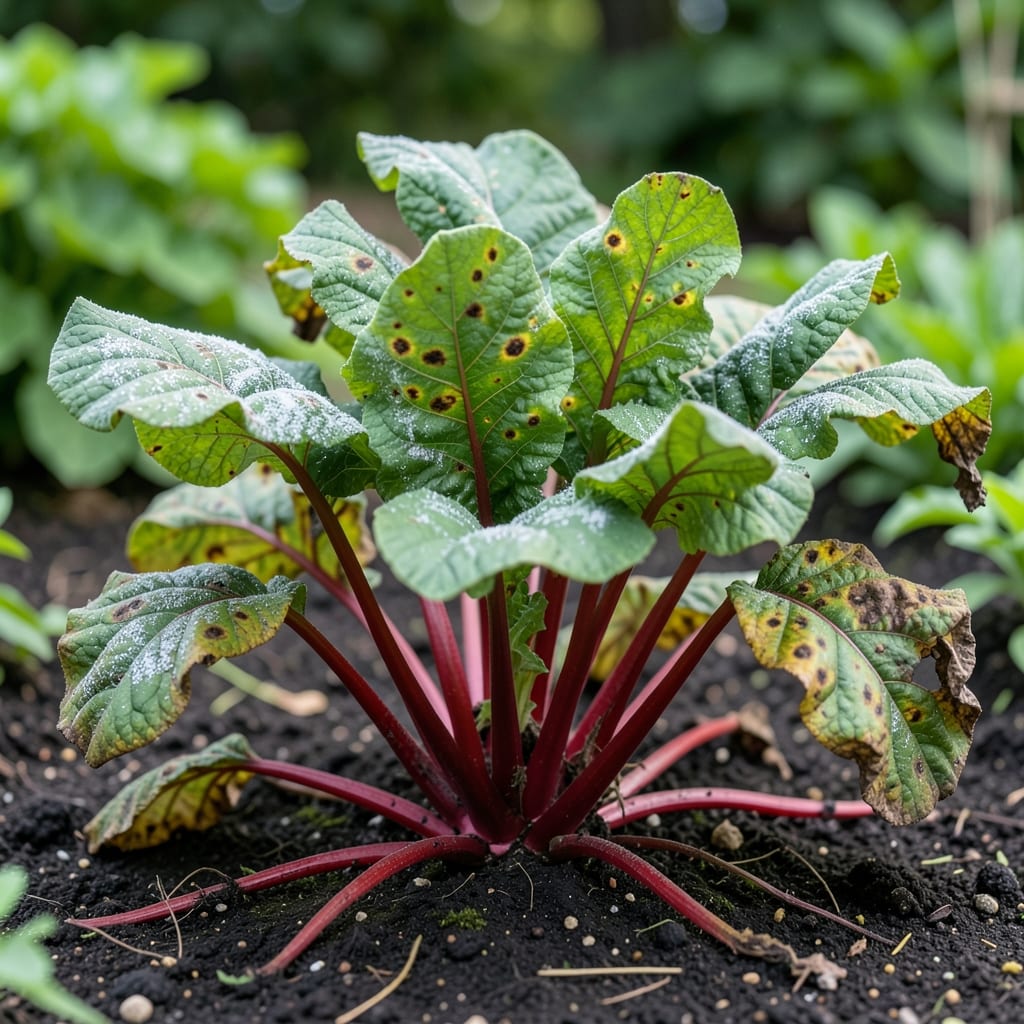
Your rhubarb plants should be thriving, not struggling with strange spots or wilting leaves. I’ve seen healthy patches turn problematic overnight, and the key to saving them is knowing what you’re dealing with early.
This guide helps you match the symptoms you’re seeing to the right issue, whether it’s leaf spots, powdery mildew, or crown rot. Each problem has telltale signs—like yellowing edges or dark lesions—that point directly to the solution.
With clear visuals and straightforward fixes, you’ll stop guessing and start treating. Most issues clear up within 1-2 weeks once you’ve identified the culprit and applied the right approach.
Works for backyard growers, container gardeners, and anyone tired of losing plants to preventable diseases.
Understanding why rhubarb plants develop diseases is the first step toward prevention and treatment. Here are the primary causes, broken down by category:
Rhubarb thrives in cool climates, but extreme conditions can weaken it, making it susceptible to disease. Excessive rain or poor drainage leads to waterlogged roots, fostering fungal growth like Phytophthora crown rot. Conversely, drought stress weakens the plant, making it more vulnerable to pests and pathogens. Temperature fluctuations can also stress the plant, reducing its natural defenses.
Fungi and bacteria are the most common culprits behind rhubarb diseases. Fungal spores (e.g., Ascochyta, Ramularia) thrive in damp, poorly ventilated environments, leading to leaf spots and blights. Bacterial soft rot (Erwinia spp.) enters through wounds, causing rapid decay of stems and leaves. These pathogens often spread via contaminated soil, tools, or splashing water.
Pests like aphids, slugs, and rhubarb curculios don’t just damage plants directly—they also create entry points for diseases. For example, aphids spread viral infections like rhubarb mosaic virus as they feed. Slugs and snails chew through leaves, leaving wounds where fungi can take hold.
Poor soil health is a silent instigator of rhubarb diseases. Low pH (acidic soil) can limit nutrient uptake, stressing the plant. Nutrient deficiencies (e.g., potassium or nitrogen) weaken resistance, while over-fertilization (especially with nitrogen) promotes lush but tender growth that’s more prone to fungal attacks. A soil test can reveal imbalances before they become problematic.
Addressing these root causes—through proper drainage, crop rotation, pest control, and soil management—can significantly reduce disease incidence in your rhubarb patch.
Tackling rhubarb diseases starts with identifying the problem and applying targeted solutions. Below are practical fixes for common issues, along with prevention tips to keep your plants thriving.
If your rhubarb shows wilting, yellowing, or blackened stems at the base, crown rot may be the culprit. Remove affected plants immediately to prevent spread. For healthy plants, ensure the soil is well-draining—amend heavy clay with compost or sand. Avoid overwatering, and plant rhubarb in raised beds if drainage is poor.
Prevention Tip: 💡 Space plants 3–4 feet apart for airflow and water only at the base to keep foliage dry.
Small, circular brown or purple spots on leaves signal leaf spot disease. Prune infected leaves and dispose of them in the trash (not compost). Apply a copper-based fungicide every 7–10 days until symptoms fade. For organic gardens, use neem oil or a baking soda spray (1 tbsp baking soda + 1 gallon water + a few drops of dish soap).
Prevention Tip: 🌡️ Rotate crops yearly and clean garden tools with rubbing alcohol to avoid spreading spores.
These pests cause curled, stunted leaves or sticky residue (honeydew). Blast them off with a strong water spray, or introduce ladybugs or lacewings—natural predators. For severe infestations, use insecticidal soap, but avoid harsh chemicals that harm pollinators.
Prevention Tip: ✨ Plant companion flowers like marigolds or yarrow to deter pests.
Late frosts can damage emerging rhubarb shoots, turning them mushy or black. Cover plants with frost cloth or old blankets when cold snaps are forecasted. Remove covers during the day to allow sunlight and airflow.
Prevention Tip: 🎯 Mulch around the base with straw in late fall to insulate roots and delay early spring growth.
With these steps, your rhubarb can bounce back from common diseases and stay healthy for seasons to come!
Look for circular brown or purple spots on leaves, powdery white coatings, or wilting stems. Leaf spots and powdery mildew are common signs. Compare symptoms with online images for accurate identification.
Ensure good drainage by amending soil with compost. Avoid overwatering and plant in raised beds if needed. Space plants 3-4 feet apart for proper airflow.
Yes! Mix 1 tablespoon baking soda with 1 gallon water and a few drops of dish soap. Spray every 7-10 days until symptoms clear.
Prune infected leaves immediately upon noticing spots or discoloration. Dispose of them in the trash—not compost—to prevent spreading spores.