
Beautiful Plants For Your Interior
Beautiful Plants For Your Interior
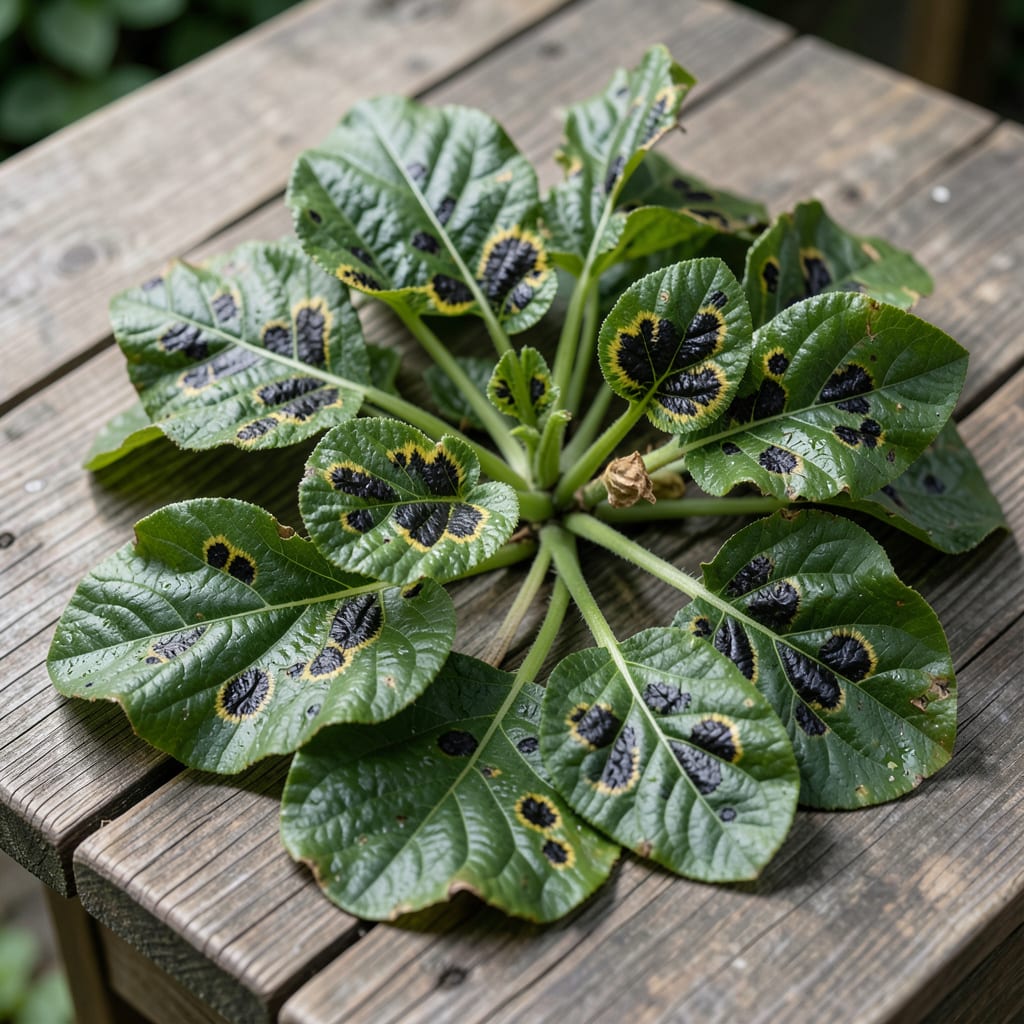
Yellowing leaves with black splotches ruined my rose bushes last spring. This common fungal disease spreads fast, but I stopped it in its tracks with targeted organic treatments.
The key is catching it early and acting consistently. I learned the hard way that removing infected leaves immediately prevents the spores from multiplying. Simple supplies from your garden shed are all you need.
Within 2 weeks, new growth appears clean and healthy. The plants regain their vigor, and you avoid the cycle of reinfection that plagues so many gardeners.
Works on roses, other ornamentals, and even some vegetables. Here’s the step-by-step approach that saved my garden.
Black spot disease is primarily triggered by fungal pathogens, environmental conditions, and poor plant care. Here’s a breakdown of the key causes:
The most common culprit is Diplocarpon rosae, a fungus that thrives in warm, wet conditions. It spreads via spores carried by wind, water, or contaminated tools. Once it lands on a leaf, it germinates and infects the plant tissue, creating the characteristic black spots.
Overhead watering, high humidity, or poor drainage create the perfect breeding ground for fungal spores. Wet foliage for prolonged periods (especially in temperatures between 65–75°F) accelerates spore germination and infection.
Dense plantings or crowded garden beds restrict airflow, trapping moisture on leaves. This stagnant environment allows fungal spores to settle and multiply, worsening black spot outbreaks.
Stressed plants—due to nutrient deficiencies, improper pruning, or lack of sunlight—are more susceptible. Weakened cell walls make it easier for fungi to penetrate and establish infections.
Addressing these factors early can significantly reduce the risk of black spot taking hold.
Tackling black spot disease starts with identifying the root cause and applying targeted fixes. Here’s how to address each issue and keep your plants thriving:
Wet foliage is a breeding ground for fungal spores. Fix: Water at the base of plants early in the day so leaves dry quickly. Use a drip irrigation system or soaker hose to keep water off the leaves. Prevention: If hand-watering, aim for the soil, not the plants.
Crowded plants trap moisture, encouraging fungal growth. Fix: Thin out dense foliage and space plants at least 18–24 inches apart. Trim lower leaves to improve airflow. Prevention: Avoid overcrowding when planting, and regularly prune for ventilation.
Fallen leaves and plant debris harbor spores. Fix: Remove and destroy (do not compost) affected leaves and stems. Sterilize pruning tools with rubbing alcohol between cuts. Prevention: Rake up leaf litter weekly, especially in fall and wet seasons.
If the disease persists, treat with natural solutions. Fix: Spray neem oil, baking soda solution (1 tsp baking soda, 1 quart water, ½ tsp dish soap), or copper fungicide every 7–10 days. Prevention: Apply preventatively in humid weather or at the first sign of spots.
💡 Pro Tip: Test sprays on a small area first to avoid leaf burn, and always apply in the evening to prevent sun damage.
Stressed plants are more susceptible. Fix: Strengthen plants with balanced organic fertilizer and ensure they get full sun (6+ hours daily). Prevention: Mulch with compost to improve soil health and avoid over-fertilizing with nitrogen, which promotes tender growth.
Roses are the most susceptible, but it also affects other ornamentals like hibiscus and some vegetables. Check leaves weekly for early signs to prevent spread.
Under ideal conditions (warm, wet), spores can germinate within 12-24 hours. Left untreated, it can defoliate a plant in 2-3 weeks.
No—this can reintroduce spores to your garden. Seal and discard them with household trash instead.
Yes, if spores overwinter in soil or debris. Clean thoroughly in fall and treat preventatively in spring.
