
Beautiful Plants For Your Interior
Beautiful Plants For Your Interior
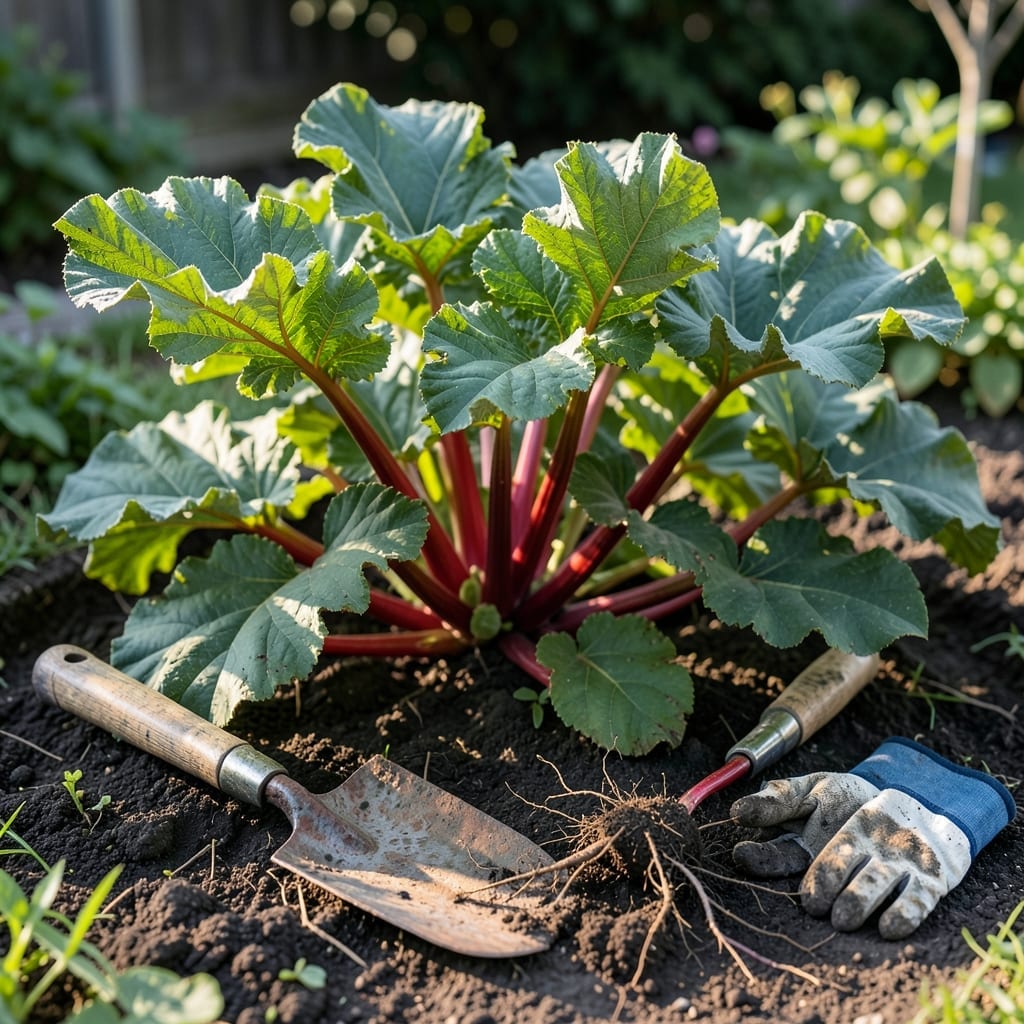
Transplanting rhubarb at the wrong time can set back your garden for an entire season. I learned this the hard way when my first attempt left me with wilted stalks and stunted growth.
The 🌱 Rhubarb plant thrives when moved during its dormant periods. Timing is everything—get it right, and you’ll be rewarded with vigorous growth and years of abundant harvests.
Whether you’re in zone 6a or just starting out, knowing these windows makes all the difference. Let’s explore when and how to do it for the best results.
Discover the simple secrets to transplanting without stressing your plants. Your future self will thank you when those tart, crimson stalks are ready for pie season.


Timing is everything when moving rhubarb plants. I’ve learned that early spring or late fall are the sweet spots when the plant is dormant. This minimizes stress and helps roots establish before active growth begins. 🌱
In early spring, aim for March to April, just as the soil thaws but before new shoots emerge. The soil should be workable and temperatures consistently above 40°F. This gives your rhubarb a head start before summer heat. 🌿
| Season | Temperature Range | Soil Condition | Plant Stage |
|---|---|---|---|
| Early Spring | 40-60°F | Workable, moist | Dormant |
| Late Fall | 40-50°F | Cool, moist | Dormant |
For late fall transplanting, wait until October after the first light frost but before the ground freezes. The cooler temperatures reduce stress, and the plant can focus on root growth before winter dormancy sets in. ✂️
In warmer climates (USDA zones 7-9), I’ve found late fall is often better. The mild winters allow roots to establish without the risk of heat stress. In colder zones (3-5), early spring is safer to avoid winter heaving.
Avoid transplanting during summer or when new growth is actively emerging. The stress of moving can shock the plant, leading to stunted growth or even death. Always check for dormancy signs like leafless stalks.
Soil preparation is key. I always amend the new site with compost or well-rotted manure to give the roots a nutrient boost. Rhubarb thrives in well-draining soil with a pH of 6.0-6.8, so test your soil before moving.
If you’re dividing mature rhubarb, each section should have at least 2-3 buds or “eyes.” This ensures enough energy for regrowth. Smaller divisions may struggle to establish, so I always opt for larger, healthier pieces.
After transplanting, water deeply to settle the soil and eliminate air pockets. I recommend 1-2 inches of water immediately after planting, then maintain consistent moisture for the first few weeks. Avoid overwatering, as soggy soil can rot the roots.
Finally, mulch around the base with straw or shredded leaves to retain moisture and suppress weeds. This also protects the roots from temperature fluctuations, which is especially important in the first year after transplanting. 🌱
Moving rhubarb plants requires careful timing and technique to avoid transplant shock. I always prepare the new planting site first, ensuring it has well-draining soil and plenty of organic matter.
Start by watering the plant thoroughly a day before digging. This helps the root system stay hydrated and reduces stress during the move.
Steps for Success:
After moving, keep the soil consistently moist for at least 2-3 weeks. This gives the roots time to establish in their new home. I find that morning watering works best to prevent evaporation.
Avoid fertilizing immediately after transplanting. Wait until you see new growth appearing, which usually takes about 3-4 weeks. This prevents burning the sensitive new roots.
If you notice wilted leaves after moving, don’t panic. This is normal transplant shock and should resolve as the plant adjusts to its new location. 🌱
Remember, the best time to transplant is when the plant is dormant. In my experience, early spring or late fall works perfectly for rhubarb.
With proper care, your rhubarb will reward you with vigorous growth and abundant harvests for years to come. 🌿