
Beautiful Plants For Your Interior
Beautiful Plants For Your Interior
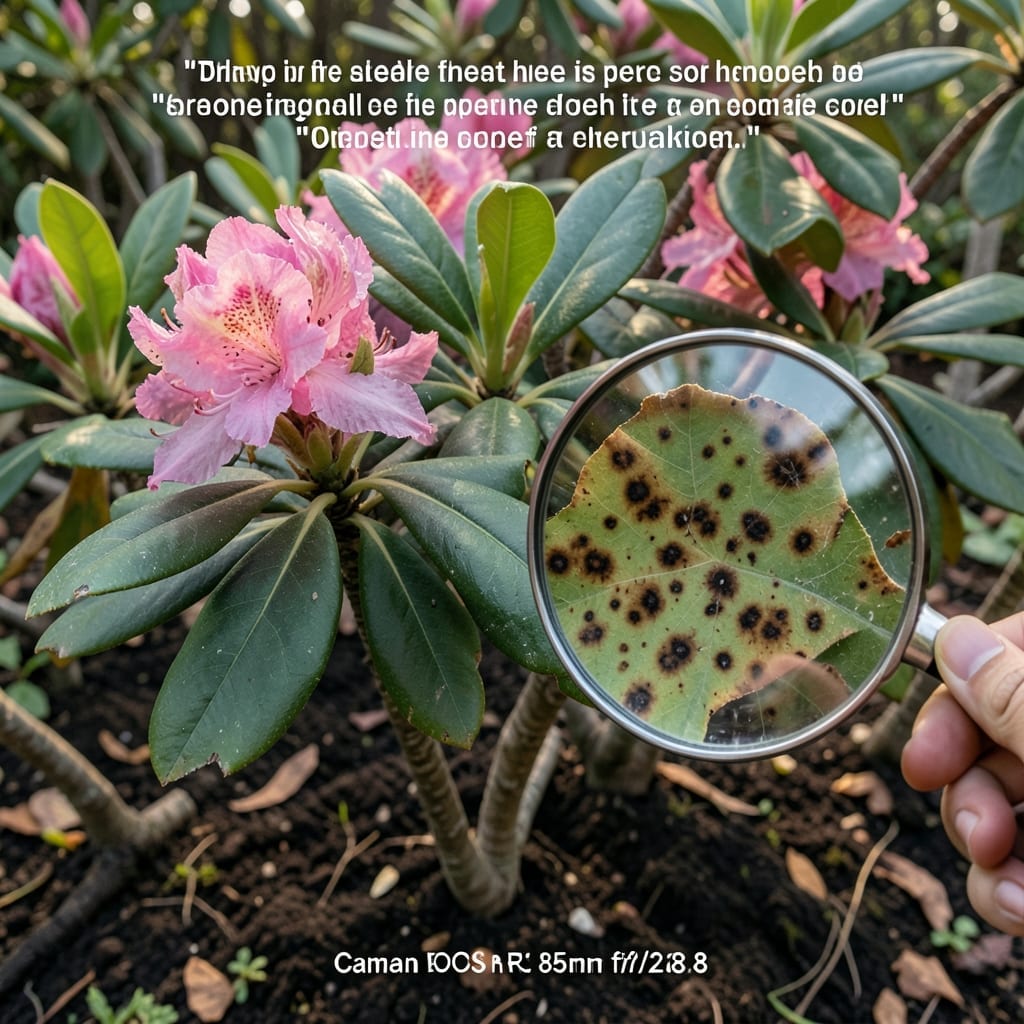
Spotted brown patches on your rhododendron leaves mean trouble. I’ve battled leaf spot for years, and catching it early saves the whole plant from defoliation and stress.
This fungus thrives in wet, humid conditions—common after heavy rain or poor air circulation. The spots start small, then spread, turning yellow with dark centers. Left untreated, it weakens the plant and ruins next year’s blooms.
Good news: it’s treatable. Remove infected leaves, improve airflow, and apply the right fungicide. With consistent care, your rhododendron can bounce back stronger than ever.
Prevention is simpler than cure. Water at the base, avoid overhead sprinkling, and keep the area clean. A little attention now prevents a big headache later.
Understanding why rhododendron leaf spot occurs is the first step toward prevention. This common issue arises from a mix of environmental, fungal, and cultural factors. Below are the primary causes, explained in detail to help you address and avoid them.
Most leaf spot diseases in rhododendrons are caused by fungal pathogens, such as Cercospora, Phyllosticta, or Septoria. These fungi thrive in warm, humid conditions and spread via water splashes or contaminated tools. They infect leaves through tiny wounds or stomata, leading to the characteristic dark or brown spots with yellow halos.
Overwatering or poor drainage creates a perfect breeding ground for fungi. Rhododendrons prefer moist but well-drained soil—soggy roots stress the plant, weakening its defenses. Additionally, overhead watering (e.g., sprinklers) wets the foliage, encouraging spore germination and infection.
Crowded plantings or dense canopies restrict airflow, trapping humidity around the leaves. This stagnant environment accelerates fungal growth. Prune nearby shrubs or trees to improve ventilation, and space rhododendrons at least 4–6 feet apart for optimal air movement.
A lack of key nutrients, particularly potassium or magnesium, can compromise a rhododendron’s resistance to disease. Weakened plants are more susceptible to infections. Conduct a soil test and amend with a balanced, acidic fertilizer (e.g., 10-8-6) to maintain vigor.
Fallen leaves, twigs, or unsterilized gardening tools can harbor fungal spores. Clean up plant debris promptly, especially in autumn, and disinfect pruners with rubbing alcohol between cuts. This simple step breaks the disease cycle and prevents reinfection.
Tackling rhododendron leaf spot starts with identifying the cause and applying the right fix. Below are targeted solutions for common culprits, along with prevention tips to keep your plants thriving. 🌿
Fix: Remove and destroy infected leaves to prevent spreading. Apply a copper-based fungicide or neem oil spray every 7–10 days until the issue clears. For severe cases, use a systemic fungicide like propiconazole.
Prevention: Improve air circulation by pruning dense foliage. Water at the base of the plant to keep leaves dry, and avoid overhead irrigation. 💡 Pro tip: Space plants at least 3–4 feet apart for better airflow.
Fix: Let the soil dry slightly between waterings. If the plant is in a pot, ensure it has drainage holes. For in-ground plants, amend heavy clay soil with compost or sand to improve drainage.
Prevention: Use a moisture meter to monitor soil conditions. Water deeply but less frequently—aim for 1–2 inches per week, including rainfall. ✨ Pro tip: Mulch with pine bark to retain moisture without waterlogging.
Fix: Blast pests off with a strong stream of water. Apply insecticidal soap or horticultural oil every 5–7 days until pests are gone. For stubborn infestations, use spinosad or pyrethrin-based sprays.
Prevention: Inspect leaves regularly, especially the undersides. Encourage beneficial insects like ladybugs or lacewings by planting companion flowers. 🎯 Pro tip: Avoid over-fertilizing, which can attract pests.
Fix: Test your soil to confirm deficiencies. For iron or magnesium shortages (common in rhododendrons), apply chelated iron or Epsom salt (1 tablespoon per gallon of water) as a foliar spray. Use an acid-loving plant fertilizer (e.g., 10-8-6) to correct pH imbalances.
Prevention: Fertilize in early spring and again after blooming. Maintain soil pH between 4.5–5.5—use sulfur to lower pH or lime to raise it if needed.
Fungal spots often have yellow halos with dark centers, while pests leave stippling or webbing. Check leaf undersides for tiny insects or eggs to confirm pest damage.
Yes! A baking soda spray (1 tablespoon per gallon of water) can prevent fungal growth. For active infections, neem oil or copper fungicide works better.
Removed leaves won’t regrow, but the plant will produce new healthy foliage. Prune infected areas immediately to prevent spreading to new growth.
Apply fungicide every 7-10 days during wet seasons. Reduce to monthly treatments once the infection clears and conditions improve.