
Beautiful Plants For Your Interior
Beautiful Plants For Your Interior
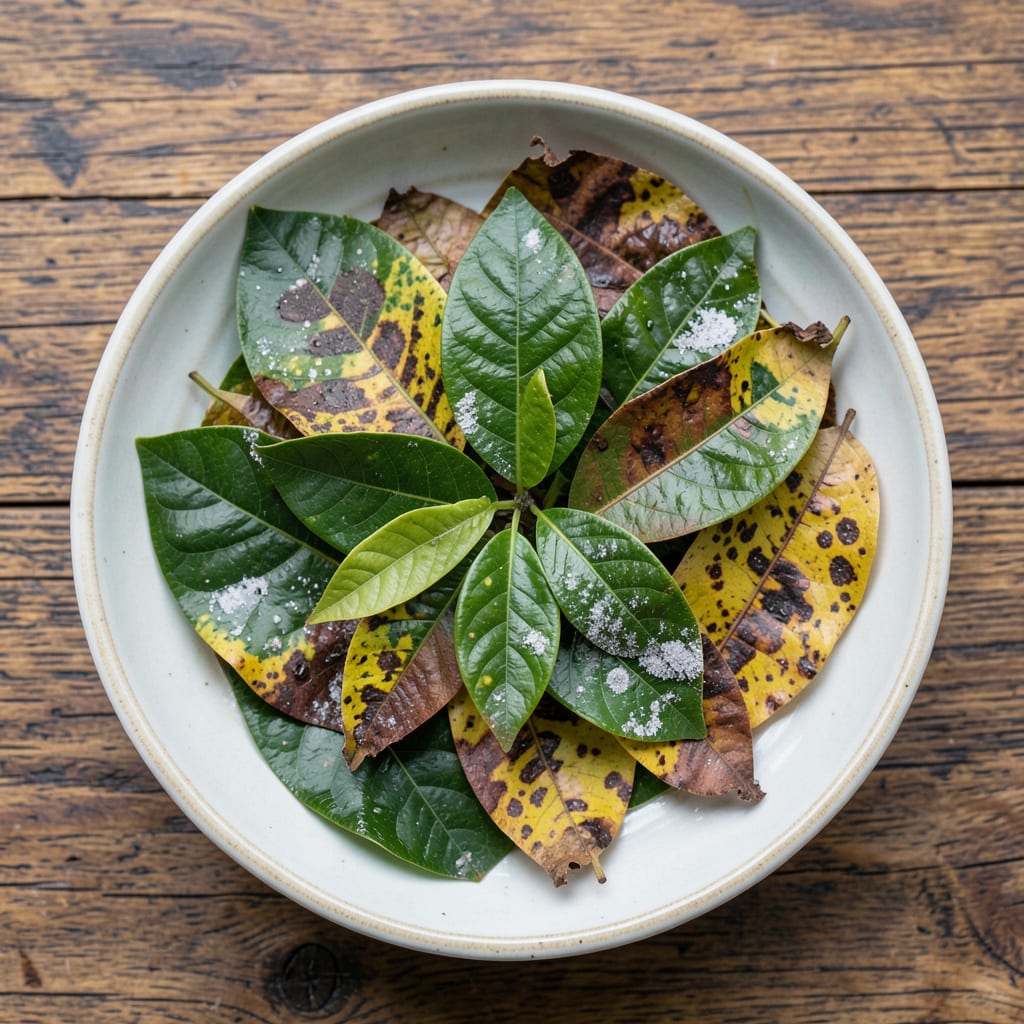
My curry leaf plant went from thriving to covered in brown spots in one week. It’s devastating to watch, but most diseases can be stopped if you catch them early.
I’ve learned the hard way that yellowing leaves often mean overwatering, while blackened tips usually signal fungal issues. The good news? Organic fixes work surprisingly well for most problems.
With the right approach, your plant can recover completely and even develop resistance to future attacks. Early detection is everything—don’t wait for symptoms to spread.
Works for potted plants, garden specimens, and even indoor curry leaf trees. Here’s how to spot trouble before it starts.
Understanding why diseases strike your curry leaf plant starts with recognizing the underlying triggers. Here’s a breakdown of the most common causes:
Overwatering or poorly draining soil creates a breeding ground for fungal infections like powdery mildew and root rot. Curry leaf plants thrive in well-aerated soil, and stagnant water suffocates roots, weakening their defenses. Phytophthora and Pythium fungi thrive in soggy conditions, attacking roots and stems.
Pests such as aphids, whiteflies, and scale insects pierce plant tissues, creating entry points for pathogens. These insects also excrete honeydew, a sticky residue that fosters sooty mold, a secondary fungal disease that blackens leaves and hampers photosynthesis.
Extreme temperatures, sudden frost, or excessive heat can stress the plant, making it vulnerable to diseases. Curry leaf plants prefer a tropical to subtropical climate (65–85°F). Temperature fluctuations disrupt metabolic processes, reducing the plant’s ability to fend off infections like leaf spot or anthracnose.
A lack of essential nutrients, particularly nitrogen, potassium, or magnesium, weakens the plant’s immune system. Yellowing leaves (chlorosis) often signal deficiencies, leaving the plant susceptible to bacterial blight or viral infections.
Pro tip: Test soil pH—curry leaf plants prefer slightly acidic to neutral soil (pH 6.0–7.0). Imbalances can lock out nutrients, exacerbating deficiencies.
Keeping your curry leaf plant healthy starts with addressing common diseases promptly. Below are practical solutions for the most frequent problems, along with prevention tips to keep your plant thriving.
If your plant’s leaves are turning yellow, it’s often due to overwatering or nutrient deficiency. Let the soil dry out between waterings and ensure the pot has drainage holes. Add a balanced organic fertilizer or compost to replenish essential nutrients like nitrogen and iron. Prevention tip: 💡 Use well-draining soil and water only when the top inch of soil feels dry.
This white, powdery fungus thrives in humid conditions. Treat it by spraying a mixture of 1 teaspoon baking soda + 1 quart water + a few drops of dish soap on the leaves. For severe cases, use neem oil or sulfur-based sprays. Prevention tip: ✨ Improve air circulation around the plant and avoid overhead watering to reduce humidity.
Aphids, mealybugs, and spider mites can weaken the plant. Wipe off pests with a soapy water solution (1 tsp mild soap + 1 liter water) or spray with neem oil. For stubborn infestations, introduce beneficial insects like ladybugs. Prevention tip: 🎯 Regularly inspect the undersides of leaves and keep the area around the plant clean.
Dark or brown spots on leaves often indicate fungal or bacterial infections. Prune infected leaves immediately and dispose of them safely. Sanitize your pruning tools with rubbing alcohol to prevent spreading. Apply copper-based fungicides if the problem persists. Prevention tip: 🌡️ Avoid wetting the leaves and water at the base of the plant to keep foliage dry.
Brown spots often signal fungal infections like leaf spot disease or anthracnose. Overhead watering or poor air circulation can spread the spores. Treat by removing affected leaves and applying copper fungicide.
Water when the top 1-2 inches of soil feels dry. Overwatering leads to root rot, while underwatering causes leaf drop. Always use pots with drainage holes to prevent soggy soil.
Once leaves turn yellow, they won’t regain their green color. Focus on fixing the cause—often nutrient deficiency or overwatering—to prevent new leaves from yellowing. Remove severely affected leaves to redirect energy.
Yes, neem oil is highly effective against pests and fungal issues. Mix 1 tablespoon with 1 gallon of water and spray weekly as a preventive. Always apply in the evening to avoid leaf burn.
