
Beautiful Plants For Your Interior
Beautiful Plants For Your Interior
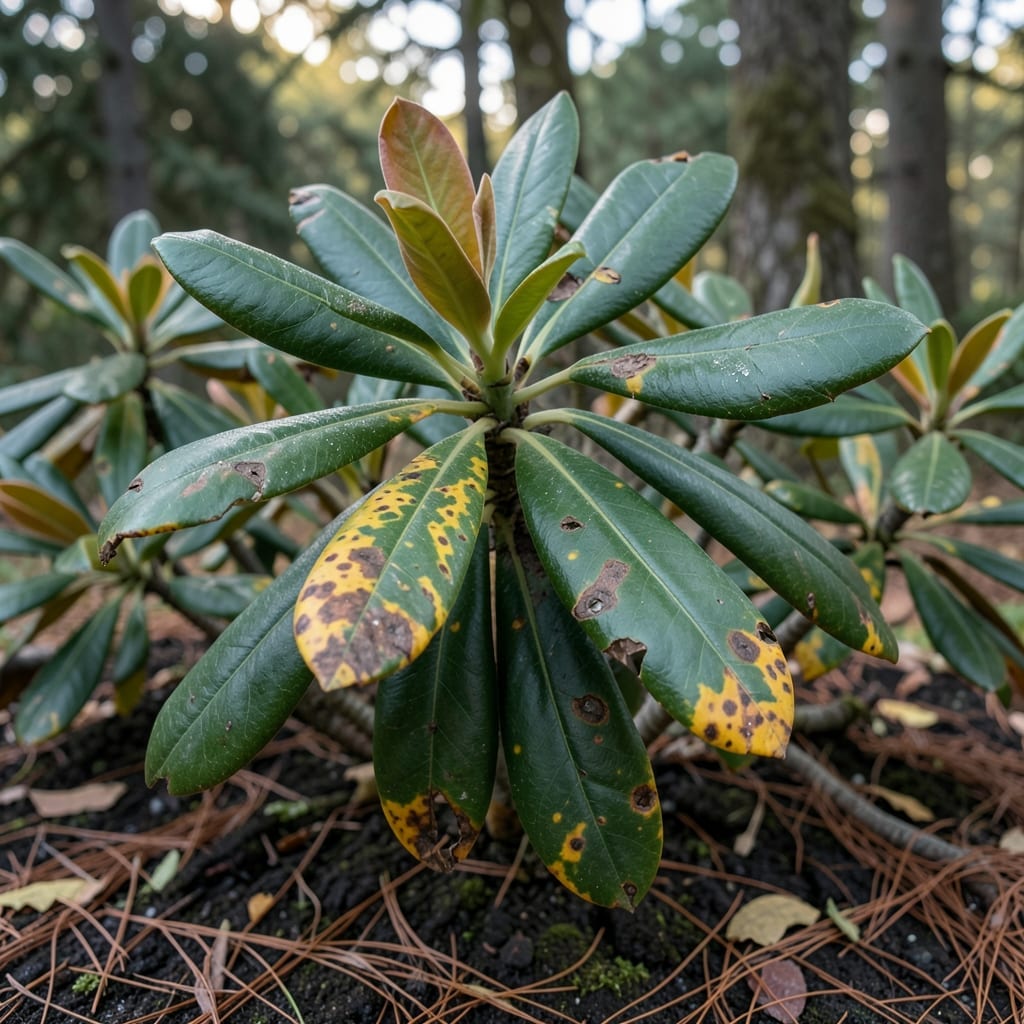
Those dark spots on rhododendron leaves aren’t just ugly—they’re a cry for help. I’ve seen healthy shrubs turn into sad, mottled messes overnight when leaf problems strike.
Most issues stem from 3 common culprits: fungal infections, pest damage, or environmental stress. The good news? Early intervention can save your plant and prevent spread to neighbors.
You’ll learn to spot the difference between harmless leaf drop and serious disease. Then we’ll tackle treatment with simple, effective solutions that work.
Works for all varieties, from azalea relatives to giant specimens. Here’s how to diagnose and fix it fast.
Understanding why rhododendron leaves develop problems is the first step to keeping your shrubs healthy. Below are the most common causes, explained with actionable insights.
Extreme temperatures, drought, or waterlogging can trigger leaf discoloration, wilting, or drop. Rhododendrons thrive in consistent moisture and partial shade. Too much sun causes sun scorch (brown, crispy edges), while soggy roots lead to root rot, starving leaves of nutrients. Mulching (2–3 inches of organic material) helps regulate soil temperature and moisture.
Pathogens like Phytophthora (root rot) or Cercospora (leaf spot) thrive in humid, poorly ventilated conditions. Phytophthora blocks water uptake, turning leaves yellow or purple before they wilt. Cercospora creates purple or brown spots with gray centers. Improve airflow by pruning dense branches, and avoid overhead watering to reduce fungal spores.
Insects such as lace bugs, rhododendron borers, or spider mites sap leaf vitality. Lace bugs cause stippled yellowing on the upper surface, while mites create fine webbing and bronze discoloration. Neem oil or insecticidal soap can deter early infestations. For borers, remove and destroy affected branches promptly.
Rhododendrons are acid-loving plants; iron or magnesium deficiency (common in alkaline soils) leads to interveinal chlorosis (yellow leaves with green veins). A soil pH test (ideal: 4.5–5.5) confirms the issue. Amend soil with sulfur or use chelated iron fertilizers to restore balance.
Tackling rhododendron leaf problems starts with identifying the cause and applying the right fix. Here’s a straightforward guide to restore your plant’s health:
Fix: Test soil pH (ideal: 4.5–5.5). Amend with sulfur or peat moss to lower pH, or add a balanced, acid-loving plant fertilizer. For iron deficiency (yellowing between veins), apply chelated iron.
Prevent: 💡 Fertilize in early spring and mulch with pine bark to maintain acidity.
Fix: Remove infected leaves immediately. Apply copper fungicide or neem oil every 7–10 days until resolved. Improve airflow by pruning dense branches.
Prevent: 🌡️ Water at the base (avoid wetting leaves) and space plants for better circulation.
Fix: Handpick pests like rhododendron borers or lace bugs. Use insecticidal soap or horticultural oil for small infestations. For severe cases, apply systemic insecticide.
Prevent: ✨ Inspect leaves regularly and encourage beneficial insects like ladybugs.
Fix: Check moisture levels—deep water during droughts but ensure well-draining soil. Shield plants from harsh afternoon sun with shade cloth if needed.
Prevent: 🎯 Mulch with organic matter to retain moisture and regulate soil temperature.
Fix: Prune damaged leaves in early spring (not fall). Apply anti-desiccant spray in late fall to reduce moisture loss.
Prevent: 🔥 Plant in sheltered locations and water deeply before the ground freezes.
Consistency is key—monitor your rhododendron regularly to catch issues early and keep it thriving!
This is classic iron deficiency from alkaline soil. Test pH and amend with sulfur or use chelated iron. Mulch with pine bark to maintain acidity.
Yes, fungal spores travel via wind or water. Remove infected leaves immediately and avoid overhead watering. Apply copper fungicide every 7-10 days.
Spray with insecticidal soap or neem oil at first signs. For severe cases, use systemic insecticide. Inspect undersides of leaves weekly.
Apply anti-desiccant spray in late fall. Water deeply before freeze and plant in sheltered spots. Prune damaged leaves in early spring.