
Beautiful Plants For Your Interior
Beautiful Plants For Your Interior
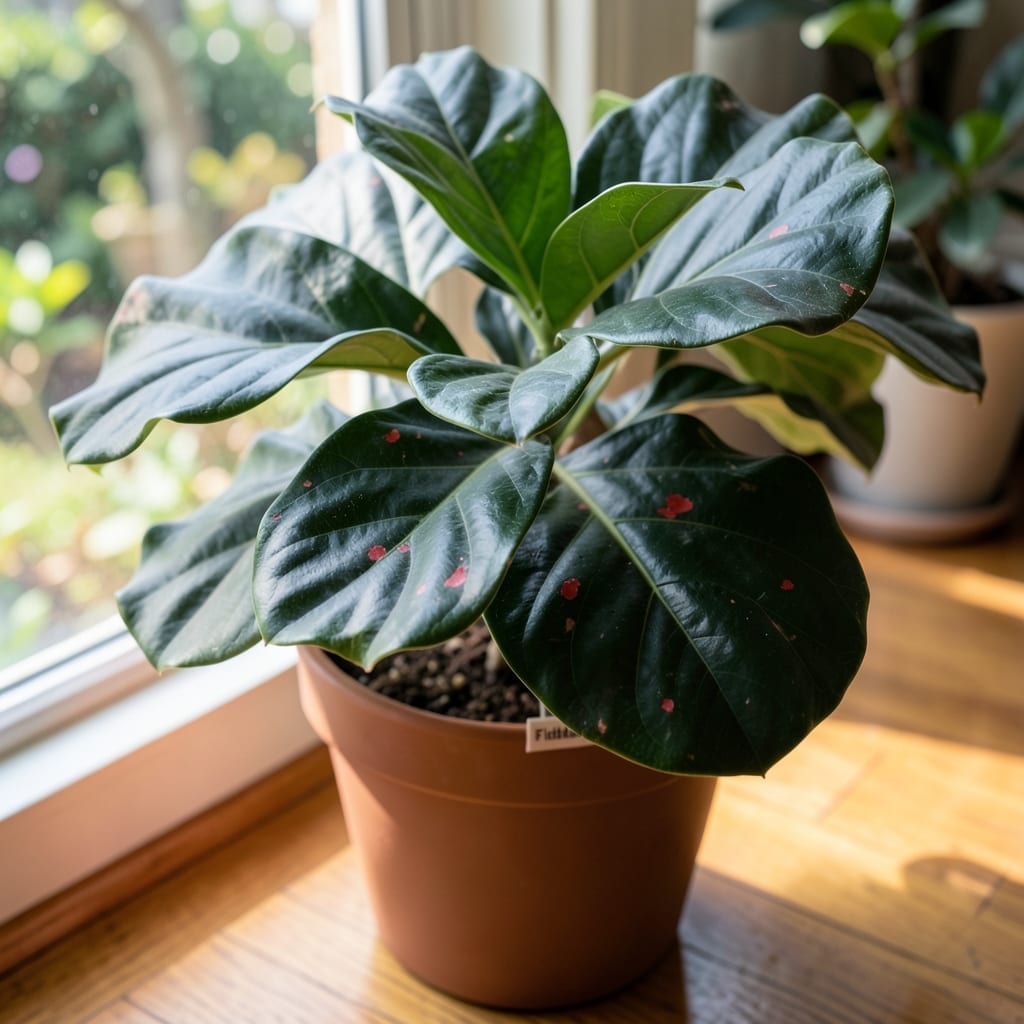
Those red spots on your fiddle leaf fig aren’t just ugly—they’re a cry for help. I’ve seen this exact pattern before, and it usually means one of three things: too much water, not enough light, or a sneaky pest setting up camp.
Here’s the thing—most people jump to pesticides or fungicides first. Don’t. Start with the basics: check your watering routine, move it to brighter light, and inspect the leaves closely for tiny invaders.
With the right fix, you’ll see new growth in 2-3 weeks. The red spots won’t spread, and your plant will bounce back stronger. The key is acting fast before the damage gets worse.
This isn’t a death sentence. I’ve saved dozens of fiddle leaf figs from the same issue. Let’s get yours back on track.
The appearance of red spots on your fiddle leaf fig (Ficus lyrata) is often a distress signal from the plant. These unsightly blemishes typically stem from environmental stressors or care missteps. Below are the most frequent culprits, explained with actionable insights.
Fiddle leaf figs thrive in stable, warm environments (65–75°F). Sudden temperature drops—such as cold drafts from windows, AC vents, or outdoor exposure below 50°F—can cause red or brown spots as cell damage occurs. Even heat stress (above 90°F) may trigger similar symptoms. Fix: Keep your plant away from drafts and extreme temperature fluctuations.
Excess moisture is a leading cause of red spots, often accompanied by yellowing leaves or root rot. Overwatering suffocates the roots, reducing their ability to absorb nutrients and leading to oxidative stress—visible as reddish patches. Poor drainage (e.g., compacted soil or no drainage holes) exacerbates the issue. Fix: Water only when the top 1–2 inches of soil are dry, and ensure pots have drainage holes.
Fungi like Anthracnose or Leaf Spot thrive in humid, poorly ventilated conditions. These pathogens create reddish-brown spots with yellow halos, often spreading rapidly. Overhead watering or high humidity (above 60%) increases risk. Fix: Improve airflow, avoid wetting leaves, and treat with a copper-based fungicide.
While fiddle leaf figs love bright, indirect light, direct sunlight (especially through south- or west-facing windows) can scorch leaves, causing red or white patches. This is essentially a “plant sunburn” from UV damage. Fix: Rotate the plant regularly and use sheer curtains to diffuse harsh light.
A lack of key nutrients—particularly magnesium or potassium—can manifest as red or purple spots, often between leaf veins. This is less common but worth checking if other causes are ruled out. Fix: Use a balanced, water-soluble fertilizer (e.g., 10-10-10) every 4–6 weeks during growing season.
Red spots on your fiddle leaf fig can be frustrating, but most causes are treatable with the right approach. Below are targeted solutions for each common issue, along with prevention tips to keep your plant thriving.
Fix: Let the soil dry out completely between waterings. Repot the plant in fresh, well-draining soil if root rot is suspected. Trim any mushy, dark roots with sterilized scissors before repotting.
Prevention: Use a pot with drainage holes and a fast-draining soil mix. Water only when the top 2 inches of soil are dry. 💡 Pro tip: Stick your finger in the soil to check moisture—no guesswork!
Fix: Remove affected leaves with clean pruners to prevent spreading. Treat with a copper fungicide or neem oil spray for fungal issues. For bacterial spots, isolate the plant and apply a bactericide.
Prevention: Avoid wetting the leaves when watering, and ensure good air circulation. Sterilize pruning tools between uses. ✨ Keep humidity in check—aim for 30-60%.
Fix: Move your fiddle leaf fig away from cold drafts, heaters, or direct hot sunlight. Maintain a consistent temperature between 60-75°F. If the air is too dry, use a humidifier or pebble tray.
Prevention: Rotate the plant occasionally for even light exposure. Avoid placing it near vents or frequently opened doors. 🎯 Ideal spot: Bright, indirect light with stable conditions.
Fix: Wipe leaves with a damp cloth to remove pests like spider mites or scale. Apply insecticidal soap or neem oil weekly until the infestation clears. For severe cases, use a systemic pesticide.
Prevention: Inspect new plants before bringing them home. Regularly dust leaves and keep the area clean. 🌿 Natural deterrent: A spray of water with a drop of dish soap can deter mild pests.
Fix: Fertilize with a balanced, water-soluble houseplant fertilizer (e.g., 10-10-10) every 4-6 weeks during the growing season. If red spots are due to magnesium deficiency, use Epsom salt (1 tsp per gallon of water) as a foliar spray.
Prevention: Stick to a consistent fertilizing schedule, but avoid over-fertilizing, which can cause leaf burn. Flush the soil with water every 2-3 months to remove salt buildup.
Only if caused by pests or fungal infections. Isolate your fiddle leaf fig immediately if you suspect contagious issues. Healthy plants nearby are safe from environmental stress causes.
With proper treatment, you’ll typically see new healthy leaves in 2-3 weeks. The existing red spots won’t disappear but won’t spread if the cause is addressed. Be patient and consistent with care.
Only if they’re severely damaged or you suspect a fungal infection. Otherwise, leave them—the plant can still use these leaves for photosynthesis. Trim with clean tools to prevent spreading issues.
Rarely! Even with extensive red spotting, fiddle leaf figs are resilient. Focus on correcting the root cause (water, light, or pests) and give it time. Most bounce back with proper care.