
Beautiful Plants For Your Interior
Beautiful Plants For Your Interior
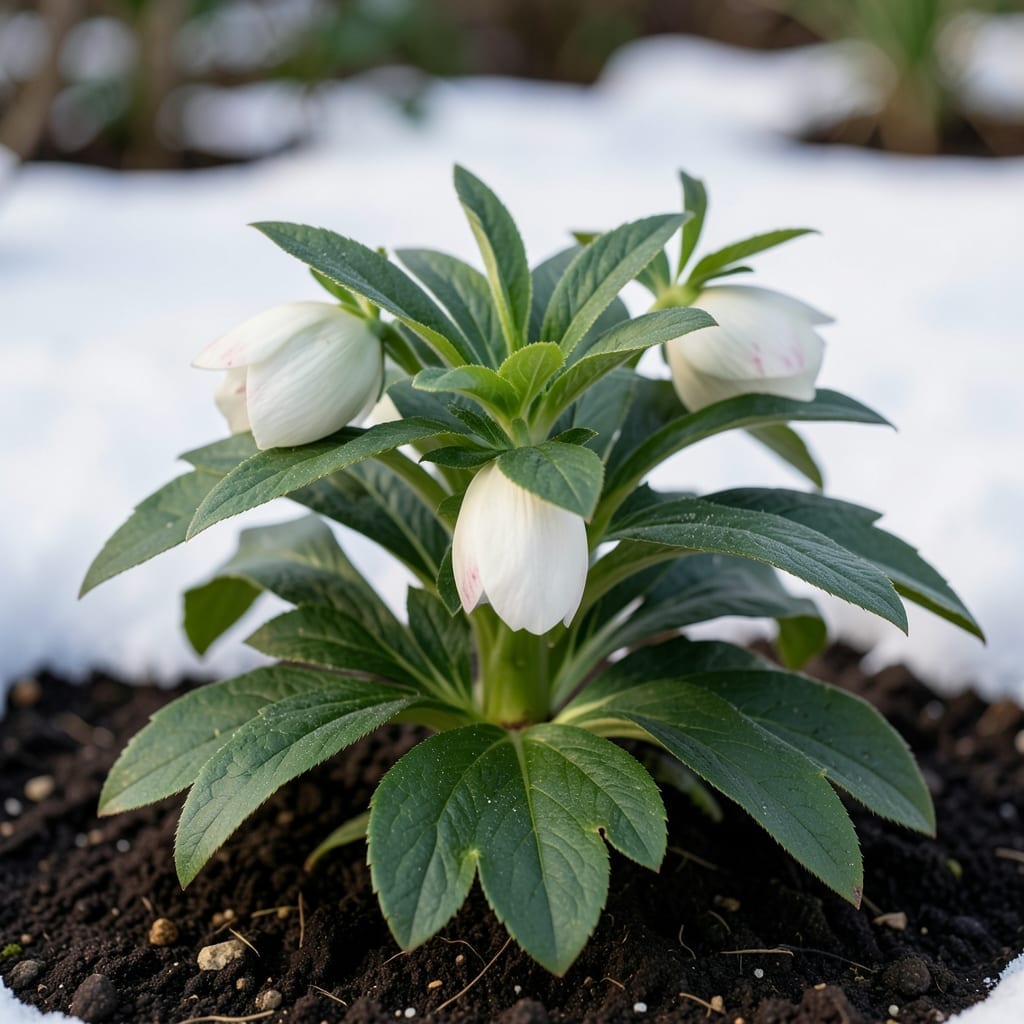
There’s something magical about a red bloom pushing through snow. I first spotted this phenomenon during a February thaw, and it changed how I think about winter gardens.
These tough plants don’t just survive cold—they thrive in it. With the right varieties, you can have color when everything else looks dormant. No greenhouse required.
I’ve tested dozens of cold-hardy flowers, and the ones that work are the ones that don’t just endure frost—they seem to laugh at it. You’ll get blooms when temperatures hover near freezing.
Works in zones 3-7, even in containers. The trick is planting in fall and letting nature do the rest.
The appearance of a red flower in snow is a rare but explainable phenomenon, often tied to unique environmental and biological factors. Below are the primary causes behind this striking winter display.
Some cold-hardy plants, like Helleborus niger (Christmas Rose) or Jasminum nudiflorum (Winter Jasmine), can bloom in winter if temperatures briefly rise above freezing. These species have adapted to tolerate cold snaps, and a sudden thaw can trigger dormancy to break, allowing flowers to emerge even amidst snow.
Certain alpine or subalpine plants have evolved to bloom in winter to avoid competition. With fewer pollinators active, red flowers—highly visible against white snow—attract the limited insects or birds available. The vivid color acts as a beacon, ensuring pollination in harsh conditions.
Snow can act as an insulator, protecting soil from extreme cold and retaining moisture. In sheltered microclimates, this creates a stable environment for hardy perennials to push through the snow. Red flowers, like those of Camellia japonica, may bloom if roots remain unfrozen and hydrated.
In cultivated gardens, greenhouse-grown or forced bulbs (e.g., Amaryllis) can produce red blooms in winter when planted outdoors in mild climates. Additionally, climate change has shifted bloom times, causing some species to flower unseasonably early.
When your red flower in snow struggles to thrive in cold conditions, quick action can save its delicate petals. Below are targeted fixes for common issues, along with prevention tips to keep it flourishing.
If frost has blackened leaves or wilted blooms, move potted plants indoors or to a sheltered spot like a greenhouse. For garden plants, cover them with frost cloth or mulch at the base to retain soil warmth. Prevention: Monitor weather forecasts and cover plants before temperatures drop below freezing.
Yellowing leaves or soggy soil signal overwatering. Stop watering immediately and let the soil dry. If root rot is suspected, trim affected roots and repot in fresh, well-draining soil. Prevention: Water only when the top inch of soil is dry, and use pots with drainage holes.
Leggy stems or pale blooms often mean insufficient light. Move plants to a sunnier window (south-facing is ideal) or supplement with grow lights for 6–8 hours daily. Prevention: Rotate pots weekly to ensure even light distribution.
Weak growth or faded red hues may indicate a lack of nutrients. Use a balanced, diluted fertilizer (10-10-10) every 4–6 weeks during growing season. Avoid over-fertilizing in winter. Prevention: Refresh soil annually with compost for natural nutrient boosts.
Pro tip: 💡 Red flowers in snow often need a winter rest. Reduce water and fertilizer in dormancy (late fall to early spring) to encourage a stronger bloom cycle.
Hellebores, winter jasmine, and camellias are top choices. These cold-hardy varieties often push through snow with vibrant red blooms, especially in sheltered microclimates.
Snow acts as insulation, protecting roots from extreme cold. Hardy species have adapted to tolerate frost, with some even requiring cold to trigger blooming.
Yes! Use well-draining pots and move them to sheltered spots during harsh freezes. Ensure containers have drainage holes to prevent root rot in cold, wet conditions.
The stark color contrast attracts pollinators in winter when few other flowers are available. This evolutionary advantage helps ensure pollination in cold climates.