
Beautiful Plants For Your Interior
Beautiful Plants For Your Interior
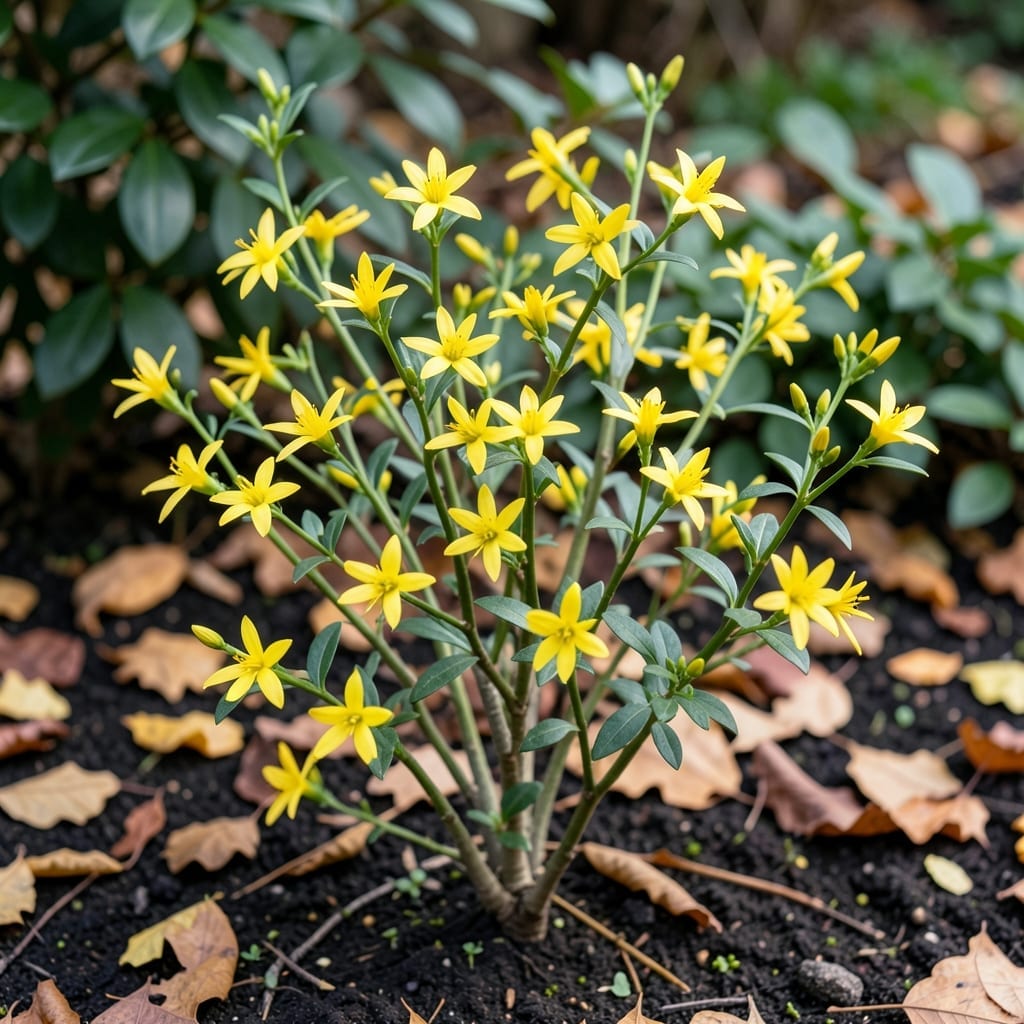
Winter doesn’t have to mean a dull, colorless garden. Imagine stepping outside to see vibrant blooms defying the cold—it’s possible with the right plants.
I’ve discovered that Winter Jasmine 🌼 and other cold-hardy varieties can transform your outdoor space even in freezing temperatures. These resilient flowers bring life to your landscape when you need it most.
You’ll learn how to select, plant, and care for these winter wonders so they thrive in your climate. No more settling for a bare garden during the colder months.
Discover the best flowers that turn winter into a season of color and beauty. Let’s make your garden the envy of the neighborhood, year-round.
Winter gardens can burst with color if you choose the right cold-hardy flowers. These resilient plants thrive in freezing temps, adding vibrant blooms when most plants lie dormant. From delicate snowdrops to bold witch hazel, there’s a winter flower for every style.
I’ve tested dozens of varieties in my own garden, and the best performers are those that handle USDA zones 4-8 with minimal fuss. These flowers don’t just survive winter—they celebrate it with stunning displays that defy the season.
| Variety | Hardiness Zone | Bloom Time | Care Notes |
|---|---|---|---|
| Hellebores | 4-9 | Dec-Apr | Shade, moist soil |
| Winter Jasmine | 6-10 | Nov-Mar | Sun to part shade |
| Snowdrops | 3-8 | Jan-Mar | Moist, well-drained |
| Witch Hazel | 3-8 | Jan-Mar | Full sun, acidic soil |
| Winter Aconite | 4-8 | Feb-Mar | Part shade, moist |
Hellebores are my top pick for shady winter gardens. Their nodding flowers come in shades of white, pink, and deep purple, and they’re deer-resistant to boot. Plant them in rich, well-draining soil for best results.
Winter Jasmine brings cheerful yellow blooms when little else is growing. This vigorous shrub can climb or sprawl, making it perfect for trellises or ground cover. It’s drought-tolerant once established.
Snowdrops are the earliest risers, often pushing through snow. These delicate white bell-shaped flowers naturalize beautifully in wooded areas. For best displays, plant them in drift-like groupings.
Don’t overlook Witch Hazel for its unique spidery blooms and fragrant varieties. The ‘Arnold Promise’ cultivar offers stunning golden-yellow flowers that brighten the dullest winter day.
Winter Aconite forms a golden carpet in late winter. These low-growing plants thrive under trees and spread gradually. They’re perfect for rock gardens or the front of borders.
For container gardens, try cyclamen or primrose. Both offer vibrant colors and do well in pots near entryways. Just ensure containers have good drainage to prevent root rot.
I always remind gardeners that mulching is key for winter bloomers. A 2-3 inch layer of organic mulch protects roots from freeze-thaw cycles while retaining moisture.
Winter blooms bring year-round color but need extra protection from frost and cold. I always start with well-draining soil to prevent root rot in damp, chilly weather.
Mulching is my top strategy—a thick layer of organic mulch insulates roots and retains soil warmth. This keeps plants thriving even when temperatures drop.
I’ve found that watering in the morning gives plants time to absorb moisture before nighttime freezes. Always check that the soil isn’t waterlogged, as soggy roots can’t survive the cold.
For extreme cold snaps, I drape frost blankets over vulnerable plants at dusk. This simple step can save tender blooms from harsh overnight lows.
Don’t forget wind protection—a burlap screen or natural windbreak shields flowers from drying winds. This is especially key for exposed garden beds.
Finally, I monitor snow accumulation on plants. While a light dusting can insulate, heavy snow may break delicate stems. Gently brush it off to keep blooms intact. ☀️