
Beautiful Plants For Your Interior
Beautiful Plants For Your Interior
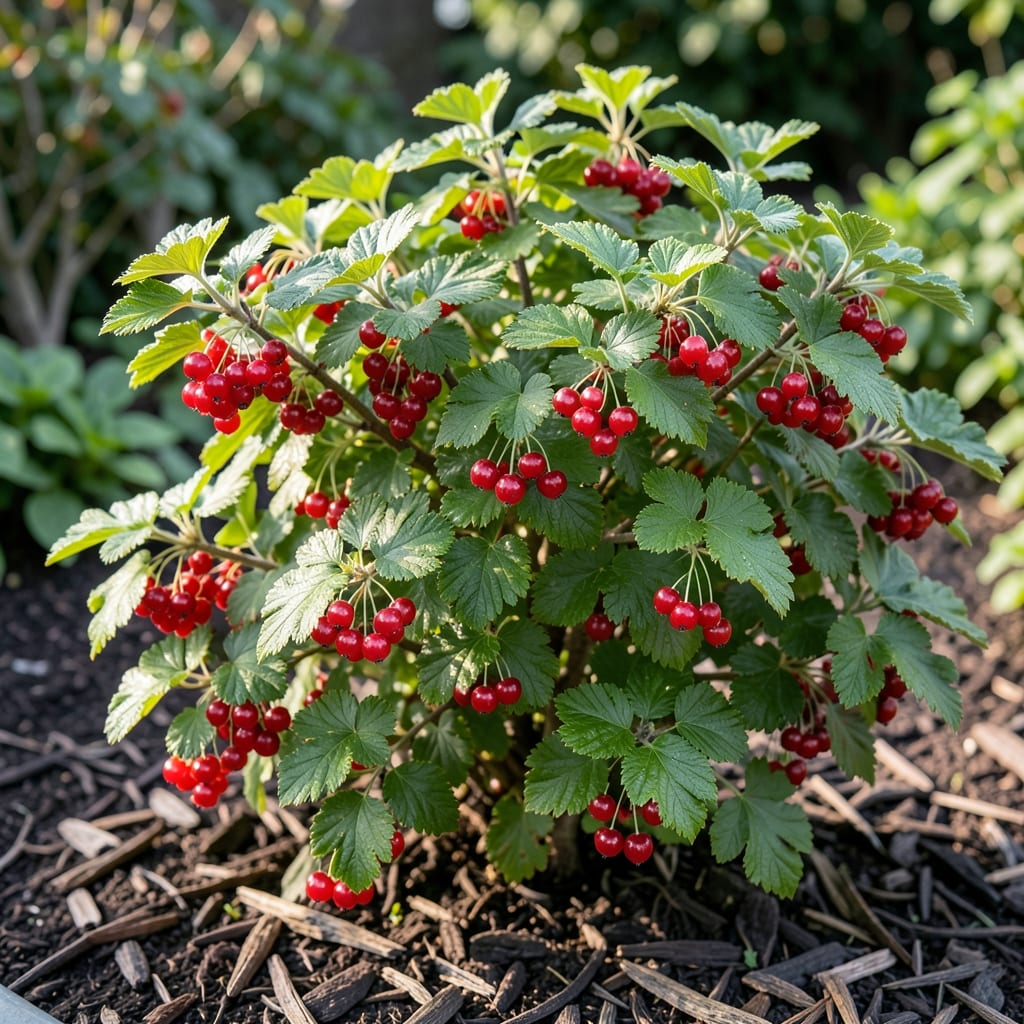
Spotted leaves on your red currants mean trouble. Anthracnose spreads fast, turning foliage brown and dropping it early, but I’ve stopped it dead in its tracks with a few organic tweaks.
Cleanup is job one—remove all fallen leaves and debris. Then, improve airflow and use a copper-based spray at bud break. Your plants will bounce back with healthy growth and a full crop.
📚 In This Guide
Here’s the organic method I rely on to keep currant leaves healthy and anthracnose-free all season.
Begin by examining your currant bushes closely, focusing on the undersides of leaves where anthracnose first appears. Look for small, irregular purple or brown spots that may develop darker centers. These are early signs of infection and need immediate attention.
Using clean, sharp pruners, remove any leaves or stems showing symptoms. I always sanitize my tools with rubbing alcohol between cuts to prevent spreading the fungus. Collect all fallen leaves from beneath the plant as well—this debris can harbor spores over winter.
Anthracnose thrives in damp, crowded conditions. Thin out the center of your currant bushes by removing about 20-30% of the oldest stems at ground level. This opens up the plant, allowing air and sunlight to reach the interior where leaves are most vulnerable.
Space your currant plants at least 3-4 feet apart if possible. I’ve found that even established bushes benefit from a little strategic pruning each year. Focus on removing branches that cross or rub against each other, as these create entry points for the fungus.
For organic protection, I use a baking soda solution (1 tablespoon baking soda, 1 teaspoon mild soap, 1 gallon water) sprayed every 7-10 days during wet periods. Apply in the morning so leaves dry quickly in the sun, which reduces the risk of further infection.
Another effective option is neem oil, which both prevents and treats fungal issues. Mix according to package instructions and apply in the evening to avoid harming pollinators. Always test on a small area first to check for leaf sensitivity.
Stop applications once the weather turns consistently dry, but resume at the first sign of new spots or after heavy rains.
Water your currants at the base rather than overhead to keep leaves dry. If you must use a sprinkler, do so in the early morning so foliage has time to dry before evening. I’ve switched entirely to drip irrigation for my currants—it’s made a noticeable difference in leaf health.
Remove all leaf litter and plant debris from around your bushes in late fall. This eliminates overwintering sites for the anthracnose fungus. A 2-3 inch layer of mulch can help, but keep it a few inches away from the stems to prevent moisture buildup.
Check your currant leaves weekly during the growing season, especially after rain. Early detection makes treatment much more effective. I keep a garden journal to track when and where problems appear—this helps me adjust my prevention strategies year to year.
If anthracnose persists despite your efforts, consider replacing susceptible varieties with resistant ones. Some red currant cultivars show better tolerance to fungal diseases. Local nurseries can often recommend varieties that perform well in your specific climate.
These practical strategies will help you implement the prevention method more effectively.
Inspection Technique: When performing Step 1, use a hand lens to examine the undersides of leaves more closely. The purple or brown spots of anthracnose are often easier to detect with magnification, especially in early stages when they’re most treatable.
Pruning Wisdom: For Step 2, don’t be afraid to remove up to that full 30% of oldest stems – I was hesitant at first but noticed significantly better air circulation after doing so. Remember to make clean cuts at ground level rather than leaving stubs that can collect moisture.
Application Timing: In Step 3, that 7-10 day spray interval is crucial during wet periods. I set phone reminders to maintain consistency, and always apply the baking soda solution in the morning as directed – evening applications can leave leaves damp overnight, which defeats the purpose.
Cultural Practice Tip: For Step 4, if you must use overhead watering, do it only in the early morning as mentioned. I learned the hard way that even late morning watering can leave foliage damp too long, especially in humid climates. Drip irrigation remains the gold standard.
Yes! Red currant leaves contain natural antifungal compounds that can help prevent anthracnose. Use them as a tea or spray on affected plants for organic care.
Apply in early spring or at the first sign of anthracnose. Regular use every 2-3 weeks during the growing season boosts plant resilience.
Neem oil, baking soda sprays, or copper-based fungicides are effective alternatives. Always test on a small area first to avoid plant damage.
Yellowing may indicate nutrient deficiency, overwatering, or disease. Check soil moisture and fertility, and remove infected leaves promptly.
Steep fresh or dried leaves in hot water for 24 hours, strain, and dilute with water (1:1 ratio). Spray on plants weekly for prevention.