
Beautiful Plants For Your Interior
Beautiful Plants For Your Interior
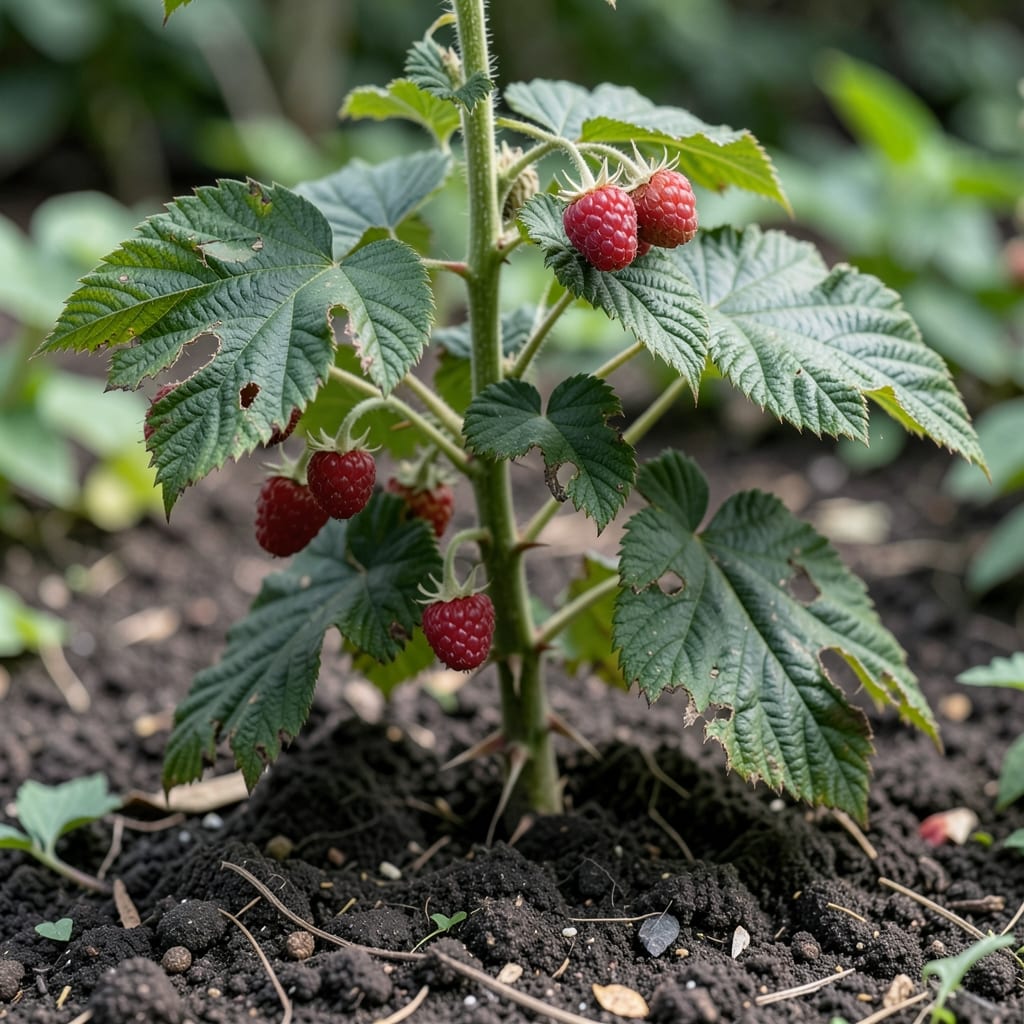
Holes in your raspberry leaves mean trouble—usually pests or disease. I’ve dealt with both, and the good news is organic solutions work fast when you act early.
Beetles, caterpillars, and sawfly larvae chew those telltale gaps, while fungal spots can mimic damage. My raspberries bounced back within 2 weeks after targeting the real culprit.
You’ll spot the difference between pest nibbles and disease marks with a quick inspection. Then, a mix of hand-picking and neem oil keeps future outbreaks in check.
Prevention is simpler than you think: clean beds, row covers, and consistent care stop most issues before they start.
Raspberry leaves with holes are often a sign of pest activity, environmental stress, or disease. Below are the most common causes, explained with actionable insights to help you diagnose the issue.
Several pests target raspberry leaves, leaving behind telltale holes. Japanese beetles chew irregular holes in the foliage, often skeletonizing leaves. Raspberry sawfly larvae (pale green caterpillars) feed on leaf tissue, creating a “window-pane” effect before progressing to holes. Spider mites are tiny but cause stippling and small perforations as they suck out plant juices. Check the undersides of leaves for eggs or larvae to confirm.
Diseases like anthracnose or septoria leaf spot can weaken leaves, making them more susceptible to physical damage that resembles holes. While these pathogens typically cause spots rather than direct holes, severe infections may lead to tissue death and tearing. Ensure good air circulation and avoid overhead watering to reduce fungal risks.
Extreme weather—hail, high winds, or heavy rain—can physically tear leaves, mimicking pest damage. Drought stress may also cause leaf edges to dry and crumble, creating jagged holes. Mulch around plants to retain moisture and use windbreaks in exposed areas.
Birds and small mammals (like rabbits or deer) may nibble raspberry leaves, leaving larger, irregular holes. Look for bite marks or droppings near the plants. Physical barriers, such as netting or fencing, can deter these visitors.
Identifying the exact cause is the first step to effective treatment. Inspect leaves closely, note the hole patterns, and check for accompanying symptoms like discoloration or webbing.
Dealing with holes in raspberry leaves can be frustrating, but with the right approach, you can restore your plants to health. Below are targeted solutions for the most common causes, paired with prevention tips to keep your raspberry bushes thriving.
Fix: For Japanese beetles or raspberry sawflies, handpick them early in the morning when they’re sluggish and drop them into soapy water. For severe cases, apply neem oil or insecticidal soap in the evening to avoid harming pollinators. Repeat every 5–7 days until the pests are gone.
Prevent: 💡 Encourage beneficial insects like ladybugs by planting companion flowers (e.g., marigolds or yarrow). Use floating row covers to protect young plants.
Fix: Remove and destroy infected leaves immediately to prevent spread. Treat the plant with a copper-based fungicide or a homemade mix of 1 tsp baking soda + 1 quart water + a drop of dish soap. Spray weekly until symptoms disappear.
Prevent: 🌡️ Improve air circulation by pruning crowded canes and watering at the base (not overhead) to keep foliage dry. Mulch with straw to reduce soil-borne spores.
Fix: Set up physical barriers like chicken wire or mesh fencing around the bushes. For smaller critters like slugs, use beer traps or sprinkle diatomaceous earth around the base.
Prevent: ✨ Apply organic repellents (e.g., garlic or hot pepper spray) and rotate them to avoid pest adaptation. Keep the garden free of debris where animals might hide.
Fix: If holes appear due to drought or nutrient deficiencies, deeply water the plants (1–2 inches per week) and amend the soil with compost or a balanced organic fertilizer. Trim damaged leaves to redirect energy to healthy growth.
Prevent: 🎯 Test soil pH (ideal: 5.5–6.5) and adjust with lime or sulfur if needed. Mulch heavily to retain moisture and suppress weeds.
Pest damage usually shows irregular, chewed edges or window-pane effects from larvae. Disease causes spots or discoloration first, with holes appearing later as tissue dies.
Neem oil or insecticidal soap applied in the evening works well. Handpick visible pests like beetles early morning when they’re less active.
Minor damage won’t impact fruit, but severe infestations can weaken plants. Treat promptly and remove heavily damaged leaves to redirect energy.
Use floating row covers, maintain good air circulation, and keep the garden free of debris. Companion planting with marigolds deters pests.