
Beautiful Plants For Your Interior
Beautiful Plants For Your Interior
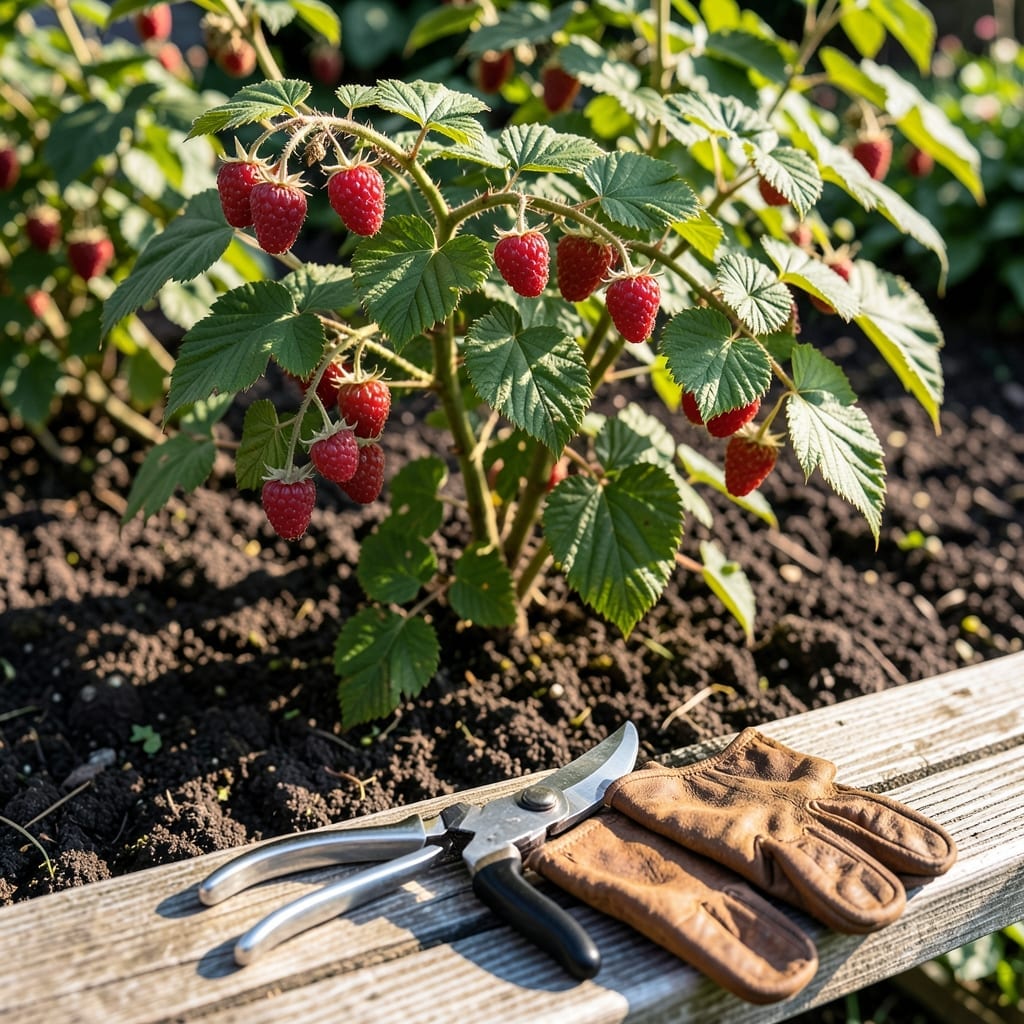
I used to struggle with my raspberry bushes until I learned the perfect timing for pruning. Getting this right transforms your 🍇 Raspberry plants from straggly to thriving.
Pruning at the wrong time can cost you a season’s harvest. Whether you’re growing summer-bearing or fall-bearing varieties, timing makes all the difference.
Discover the seasonal schedule that keeps your bushes healthy and productive. I’ll show you exactly when to make those cuts for the best results.
Timing your pruning correctly is the secret to abundant harvests. Raspberry bushes need different care depending on whether they’re summer-bearing or fall-bearing varieties.
I’ve found that summer-bearing raspberries should be pruned right after harvest, while fall-bearing types do best with a late winter trim.
| Raspberry Type | Best Pruning Time | Key Action |
|---|---|---|
| Summer-bearing | Right after harvest | Remove old canes |
| Fall-bearing | Late winter | Trim all canes |
| Ever-bearing | Early spring | Thin weak canes |
For summer-bearing raspberries, I prune immediately after the last berry is picked. This gives new canes time to grow for next year’s harvest. The old canes won’t produce again, so removing them is essential.
Fall-bearing varieties are different. I wait until late winter when the plant is still dormant. This timing helps prevent winter damage to the new canes that will produce fruit.
In cold climates, I always finish pruning before the first frost. This protects the plants from winter stress and ensures they have enough time to recover before the growing season.
The visual cue I watch for is when the canes start to look brown and woody. This tells me they’ve finished producing and are ready to be removed to make way for new growth.
For ever-bearing raspberries, which produce fruit twice a year, I prune in early spring. I remove the top third of each cane to encourage branching and more fruit production.
Remember that pruning tools should always be sharp and clean. I use bypass pruners for clean cuts that heal quickly, reducing the risk of disease.
After pruning, I always clean up the debris around the base of the plants. This helps prevent pests and diseases from overwintering in the garden.
With this schedule, my raspberry bushes stay healthy and productive year after year, giving me the best possible harvests each season ✂️
Pruning raspberry canes properly ensures strong growth and maximum fruit production. The right technique varies slightly between varieties, but the basics remain consistent.
I always start with sharp bypass pruners and wear gloves to protect my hands from thorns. Safety and precision are key when working with these plants.
For summer-bearing raspberries, I remove all old fruiting canes at ground level after harvest. These won’t produce again, so they’re just taking up space and nutrients.
With fall-bearing varieties, I cut back all canes to the ground in late winter. This encourages new growth that will produce fruit the same year.
I always make cuts at a 45-degree angle just above a bud. This helps water run off and prevents disease from entering the stem.
After pruning, I disinfect my tools with rubbing alcohol to prevent spreading any potential diseases between plants. This simple step makes a big difference in garden health.
Remember that thinning canes is just as important as cutting them back. Good air circulation prevents fungal diseases and ensures all parts of the plant get proper sunlight ✂️