
Beautiful Plants For Your Interior
Beautiful Plants For Your Interior
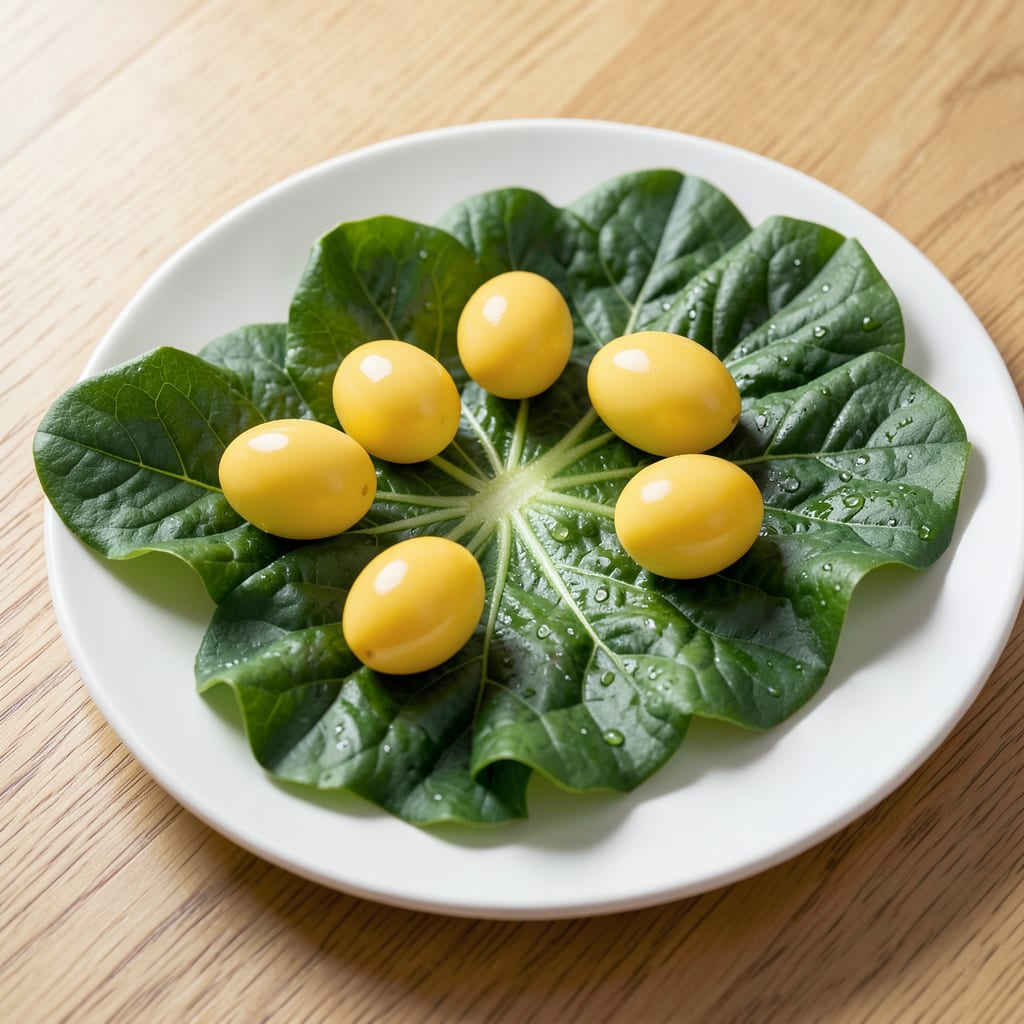
Yellow eggs on cucumber leaves spell trouble if left unchecked. I first spotted them on my vines last summer—tiny, bright dots clinging to the undersides that turned into a full-blown infestation within days.
These are almost always pest eggs, typically from aphids or spider mites. They choose cucumbers because the plants provide the perfect sheltered, nutrient-rich environment for their young to thrive.
Left alone, the hatchlings will drain sap from leaves, stunting growth and spreading disease. The good news? Organic solutions work fast if you catch them early.
With the right approach, you can save your crop and prevent future outbreaks without harsh chemicals. Here’s how to identify and treat them effectively.
Understanding why yellow eggs appear on cucumber leaves starts with identifying the culprits behind this common garden issue. These eggs are typically laid by pests that target cucumber plants, and their presence can lead to significant damage if left unchecked.
Aphids are tiny, soft-bodied insects that often lay yellow or pale eggs on the undersides of cucumber leaves. These pests reproduce rapidly, and their eggs hatch into nymphs that feed on plant sap, weakening the cucumber plant. Aphids are attracted to the tender new growth of cucumbers, making young plants particularly vulnerable.
Spider mites, though not true insects, are another common pest that can leave yellowish eggs on cucumber foliage. These pests thrive in hot, dry conditions and can quickly infest a plant, causing stippling, yellowing, and webbing on the leaves. Their eggs are often laid in clusters, making them easier to spot upon close inspection.
Whiteflies are small, winged insects that lay tiny yellow eggs on the undersides of leaves. These eggs hatch into larvae that feed on plant juices, leading to yellowing, wilting, and reduced plant vigor. Whiteflies are particularly problematic in greenhouse settings or warm climates where they can multiply rapidly.
While pests are the primary cause, environmental stress can also make cucumber plants more susceptible to infestations. Overwatering, poor soil drainage, or nutrient deficiencies can weaken plants, making them easier targets for egg-laying pests. Ensuring healthy growing conditions can help deter these issues.
Dealing with yellow eggs on cucumber leaves usually points to pest infestations like spider mites, aphids, or whiteflies. Here’s how to tackle each cause effectively and keep your cucumbers thriving.
Spider mites leave tiny yellow or white eggs on the undersides of leaves. Blast them off with a strong stream of water to disrupt their life cycle. Follow up with neem oil spray (mix 1 tbsp neem oil + 1 tsp mild soap + 1 quart water) every 5–7 days. Prevention tip: 💡 Increase humidity around plants, as spider mites thrive in dry conditions.
Aphids lay pale yellow eggs that hatch into sap-sucking nymphs. Spray leaves with a soapy water solution (1 tsp dish soap per quart of water) to smother eggs and adults. For severe cases, introduce ladybugs or lacewings—natural predators. Prevention tip: ✨ Plant companion flowers like marigolds or nasturtiums to deter aphids.
Whiteflies deposit tiny yellow eggs in circular clusters. Use yellow sticky traps to catch adults and reduce future laying. Apply insecticidal soap or a garlic-chili spray (blend 2 garlic cloves + 1 chili + 1 quart water, strain, and spray) weekly. Prevention tip: 🎯 Rotate crops and remove plant debris to eliminate hiding spots.
General prevention: Inspect leaves weekly, especially the undersides, and prune heavily infested leaves to stop the spread. Keep your garden clean and avoid over-fertilizing with nitrogen, which attracts sap-feeding pests.
Inspect leaves weekly and remove debris. Plant marigolds or nasturtiums nearby to deter pests naturally.
Yes. Once hatched, the pests drain sap, causing yellowing, wilting, and stunted growth. Act quickly to prevent crop loss.
You can, but organic sprays like neem oil or insecticidal soap are safer and effective. Avoid harsh chemicals near harvest.
Pests prefer the undersides for protection from sun, rain, and predators. Always check both sides of leaves for early signs.
