
Beautiful Plants For Your Interior
Beautiful Plants For Your Interior
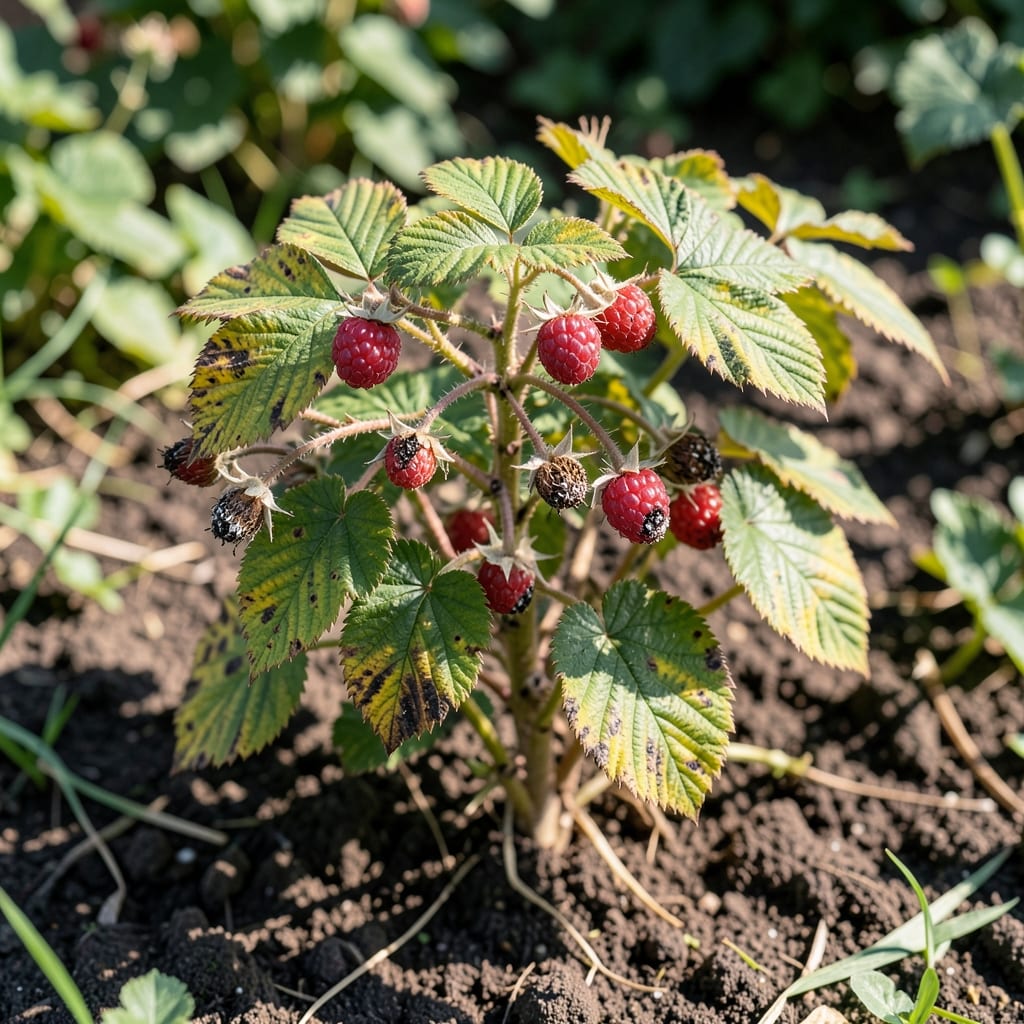
Spotted yellow leaves or purple splotches on your raspberry canes aren’t just ugly—they’re red flags. I learned the hard way that catching problems early means the difference between a full harvest and a total loss.
This visual guide cuts through the confusion with clear photos of the most common raspberry diseases. You’ll recognize symptoms at a glance, from powdery mildew to cane blight, without needing a degree in plant pathology.
Each disease comes with straightforward fixes: what to prune, when to spray, and how to prevent next year’s outbreak. No guesswork, just actionable steps that actually work.
Works for backyard patches or commercial rows. Save your canes before the damage spreads.
Understanding the root causes of raspberry diseases helps you prevent and manage them effectively. Here are the primary factors that lead to common raspberry ailments:
Fungi thrive in wet, humid conditions, making raspberries highly susceptible to diseases like anthracnose and powdery mildew. Poor air circulation, overhead watering, or rainy seasons create ideal environments for spores to spread. Botrytis cinerea, for example, infects fruits and canes when moisture lingers on plant surfaces.
Insects such as aphids, raspberry cane borers, and spider mites weaken plants by feeding on sap or boring into stems. This stress makes raspberries more vulnerable to secondary infections. Aphids, in particular, can transmit viruses like Raspberry mosaic virus, which stunts growth and reduces yields.
Extreme temperatures, drought, or waterlogged soil stress raspberry plants, lowering their natural defenses. Heatwaves can scorch leaves, while frost damage creates entry points for pathogens. Poor soil drainage also encourages root rot, a common issue in heavy clay soils.
A lack of essential nutrients (e.g., nitrogen, potassium, or iron) weakens raspberry plants, making them prone to diseases. Over-fertilization, especially with nitrogen, can also promote excessive leafy growth at the expense of fruit production, increasing susceptibility to fungal attacks.
Leaving infected canes, fallen leaves, or overripe fruits in the garden allows pathogens to overwinter and reinfect plants the following season. Contaminated pruning tools can also spread diseases between plants if not sterilized properly.
Spotting disease early in your raspberry plants is half the battle—here’s how to turn things around. Below are targeted fixes for common issues, paired with prevention tips to keep your patch thriving.
Fix: Remove and destroy infected canes or leaves immediately to stop the spread. Apply copper fungicide or neem oil (follow label instructions) at the first sign of spots or white powder. For severe cases, use sulfur-based sprays in dry weather.
Prevent: 💡 Improve airflow by pruning dense growth and spacing plants 2–3 feet apart. Water at the base (not overhead) and mulch with straw to reduce soil splashing.
Fix: Prune out wilted or hole-riddled canes below the damage point and burn or trash them. For aphids, blast them off with water or use insecticidal soap. Introduce beneficial insects like ladybugs for long-term control.
Prevent: ✨ Inspect canes weekly for entry holes or eggs. Apply kaolin clay as a barrier spray during peak pest seasons (spring/early summer).
Fix: Viruses have no cure—remove and burn infected plants entirely to protect the rest. Disinfect pruning tools with rubbing alcohol between cuts to avoid spreading the virus.
Prevent: 🎯 Source certified disease-free plants from reputable nurseries. Control aphids (common virus carriers) and avoid working with plants when they’re wet.
Fix: Stop watering immediately and let the soil dry out. If the plant is severely affected, dig it up, trim black/mushy roots, and replant in fresh, well-draining soil or a raised bed.
Prevent: 🌡️ Plant in sandy loam soil and ensure beds have good drainage. Water deeply but infrequently (1–2 times per week) and use drip irrigation.
Look for purple or gray spots on leaves, white powdery coatings, or canes with sunken lesions. Anthracnose causes purple splotches, while powdery mildew appears as a white dusting.
Improve airflow by spacing plants 2-3 feet apart and pruning regularly. Water at the base, avoid overhead watering, and remove infected canes immediately.
No, viruses have no cure. Remove and burn infected plants to prevent spreading. Always use clean, sterilized tools when pruning.
Apply at the first sign of disease, or as a preventive in early spring before growth starts. Use copper fungicide or neem oil for best results.