
Beautiful Plants For Your Interior
Beautiful Plants For Your Interior
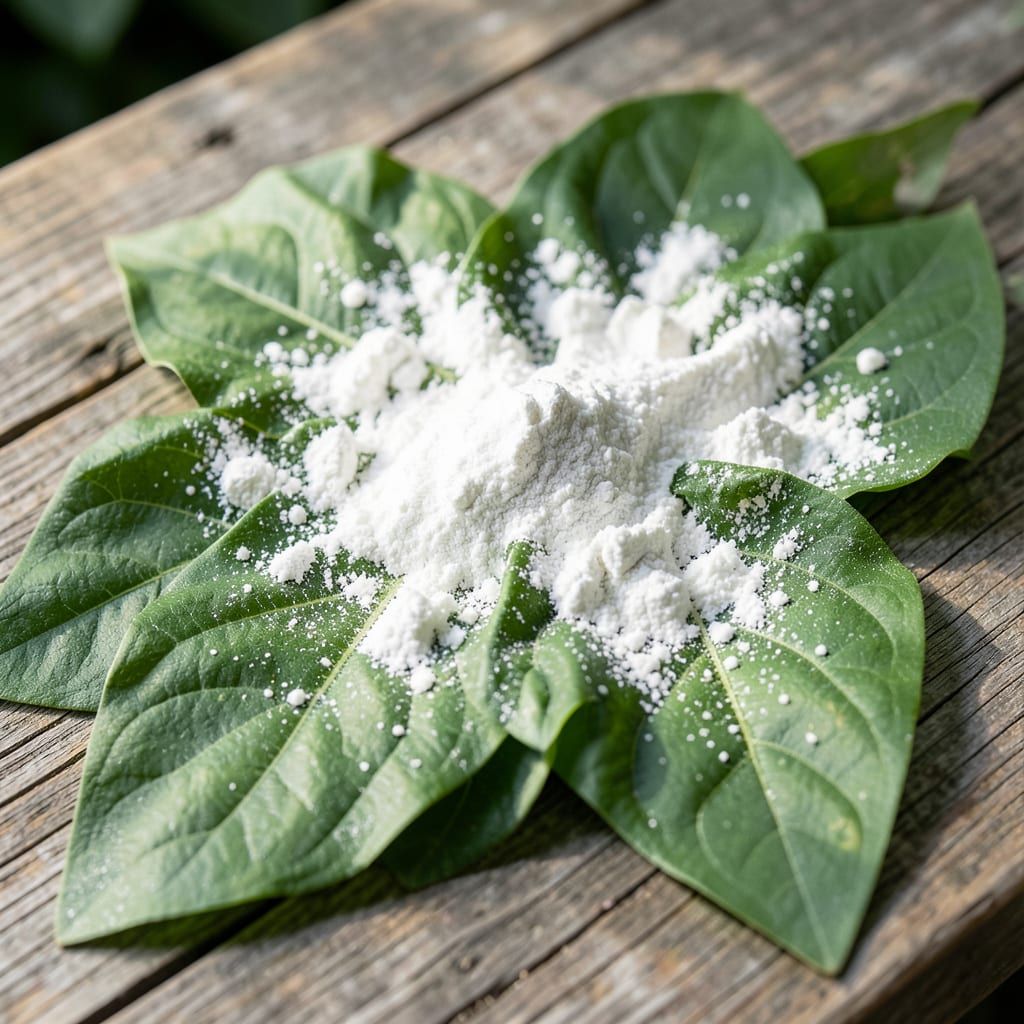
White powder on your zinnia leaves isn’t just unsightly—it’s a red flag. I’ve battled this fungal foe in my own garden, and ignoring it means watching your blooms turn crispy and weak.
Powdery mildew thrives in dry, warm conditions with poor air circulation. It starts as a faint dusting but spreads fast, coating leaves in a thick white layer that blocks sunlight and stunts growth.
Left unchecked, it weakens your plants and ruins their appearance. The good news? It’s treatable and preventable with the right approach.
Early action saves your zinnias and keeps them flowering strong through the season. Here’s how to tackle it head-on.
The white powder on zinnia leaves is most commonly caused by powdery mildew, a fungal disease that thrives under specific conditions. Below are the primary reasons this problem occurs, along with the science behind each cause.
Powdery mildew spores germinate and spread rapidly in environments with high relative humidity (70-90%). Unlike many fungi, powdery mildew does not require free water to grow—it thrives in damp air. Zinnias planted in crowded spaces or areas with poor airflow are especially vulnerable, as stagnant air traps moisture around the leaves.
This fungus flourishes in temperatures between 60–80°F (15–27°C) with cool nights. The temperature swing between warm days and cooler evenings creates ideal conditions for spore production. Zinnias in regions with mild summers and dewy mornings are at higher risk.
Watering zinnias from above wets the foliage, providing the moisture powdery mildew needs to take hold. While the fungus doesn’t need standing water, prolonged leaf wetness (especially in the evening) accelerates infection. Drip irrigation or soaker hoses at the base of plants are safer alternatives.
Dense plantings or overcrowded garden beds restrict airflow, allowing humidity to linger. Powdery mildew spores spread easily in still air, so proper spacing (12–18 inches apart for zinnias) and pruning excess foliage can significantly reduce risk.
Some zinnia cultivars are genetically more prone to powdery mildew. Varieties like Zinnia elegans are often targeted, while newer resistant hybrids (e.g., ‘Profusion’ or ‘Zahara’ series) are bred to withstand fungal pressure. Check seed labels for disease-resistant traits.
Tackling that pesky white powder on your zinnia leaves starts with identifying the cause. Below are targeted fixes for the most common culprits, along with prevention tips to keep your zinnias thriving.
Fix: Remove heavily infected leaves and discard them (do not compost). Spray the remaining foliage with a baking soda solution (1 tsp baking soda + 1 quart water + a few drops of dish soap) or a neem oil mixture (1 tbsp neem oil + 1 tsp dish soap + 1 gallon water). Apply in the early morning or late evening to avoid leaf burn. Repeat every 7–10 days until the issue clears.
Prevention: Improve air circulation by spacing plants 12–18 inches apart. Water at the base to keep leaves dry, and avoid overhead watering. Choose mildew-resistant zinnia varieties like ‘Profusion’ or ‘ Zahara.’
Fix: Reduce watering frequency and let the top 1–2 inches of soil dry out between sessions. If the soil is waterlogged, gently loosen it with a fork to improve drainage. For potted zinnias, ensure containers have drainage holes.
Prevention: Use well-draining soil and water deeply but infrequently. A moisture meter can help you avoid overdoing it. Morning watering gives foliage time to dry before cooler evenings.
Fix: Wipe leaves gently with a damp cloth to remove residue. Switch to distilled or rainwater for irrigation if tap water is high in minerals. Flush the soil with distilled water occasionally to leach out buildup.
Prevention: Use a water filter or collect rainwater for your plants. Group zinnias with other hard-water-sensitive plants to streamline care.
Fix: Isolate affected plants. Remove visible pests with a cotton swab dipped in rubbing alcohol or spray with insecticidal soap. For severe cases, apply horticultural oil according to label instructions.
Prevention: Inspect plants regularly, especially the undersides of leaves. Encourage natural predators like ladybugs by planting companion flowers such as marigolds or alyssum.
💡 Pro Tip: Always sterilize pruning tools between cuts to prevent spreading diseases or pests!
Yes, if left untreated, it can weaken your plants and reduce flowering. Powdery mildew blocks sunlight and steals nutrients from leaves.
A baking soda solution (1 tsp per quart of water + soap) works well as a natural treatment. Apply weekly until the issue clears.
Yes, powdery mildew spores travel easily through air and water. Isolate affected zinnias and avoid overhead watering to prevent spreading.
Plant resistant varieties like ‘Profusion’ or ‘Zahara’, space plants 12–18 inches apart, and water at the base in the morning.
