
Beautiful Plants For Your Interior
Beautiful Plants For Your Interior
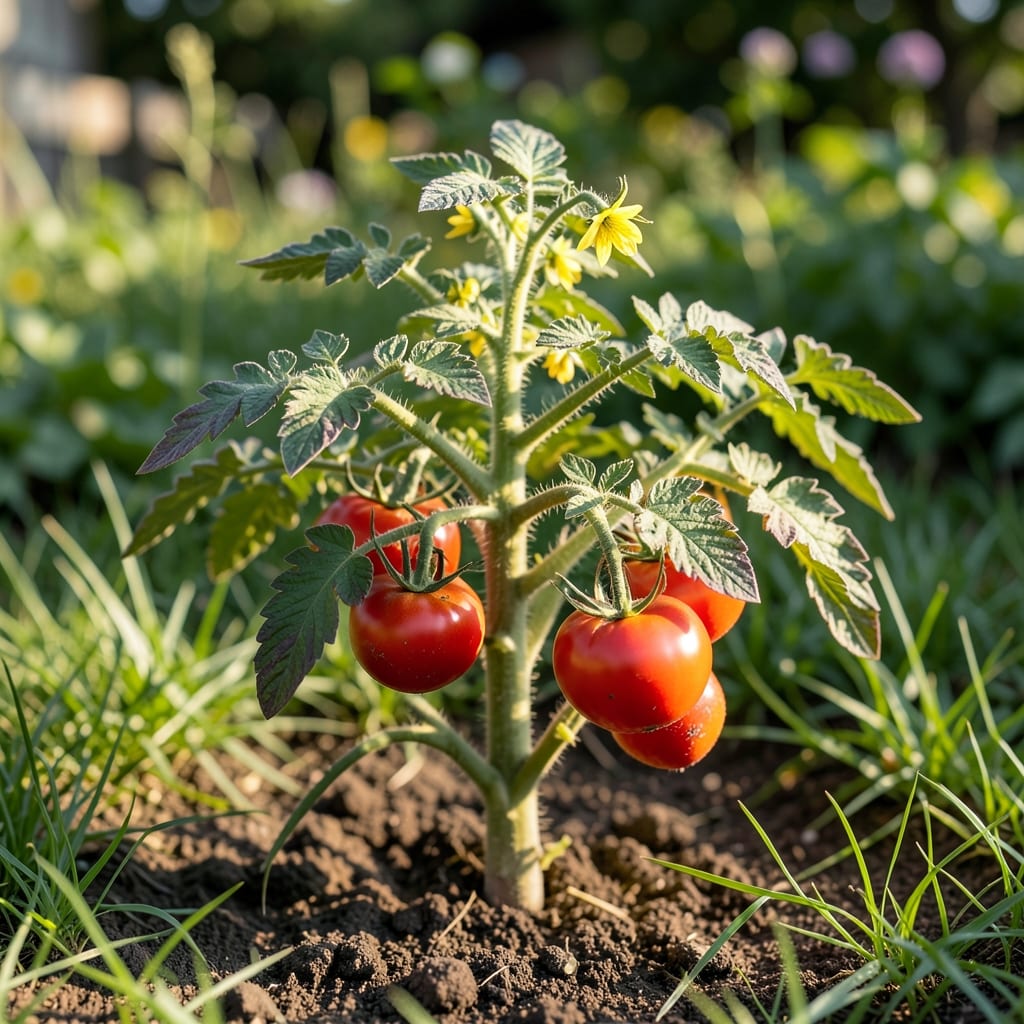
Purple tomato leaves stopped me in my tracks the first time I saw them. The deep, almost bruise-like color on the undersides meant something was off with my plants’ nutrition or environment.
Turns out it’s often phosphorus deficiency or cold stress, but viral infections can cause it too. Each has distinct patterns—purple veins usually point to phosphorus, while cold stress creates a more uniform darkening.
I fixed mine with a balanced fertilizer and row covers for chilly nights. The leaves greened up within 2 weeks, and the plants rebounded faster than I expected.
Early diagnosis is key. Check your soil, recent weather, and the specific leaf patterns before treating. The solution is usually simpler than you think.
Purple tomato leaves often signal an underlying issue affecting your plant’s health. Here are the most common causes, explained with actionable insights:
One of the primary culprits is a lack of phosphorus in the soil. Phosphorus is vital for energy transfer and root development. When deficient, younger leaves may turn deep purple or reddish as the plant struggles to produce chlorophyll. This often happens in cold, waterlogged, or highly acidic soils where phosphorus becomes less available. Test your soil (pH 6.0–7.0 is ideal) and amend with bone meal or a balanced fertilizer.
Tomatoes are warm-weather plants. When exposed to temperatures below 50°F (10°C), especially at night, their ability to absorb phosphorus slows down. This triggers a purple hue, particularly on the undersides of leaves. To fix this, protect plants with row covers or move potted tomatoes indoors during cold snaps.
Soggy roots suffocate the plant, reducing nutrient uptake—including phosphorus. Purple leaves may appear alongside yellowing or wilting. Check soil moisture before watering (stick your finger 2 inches deep—if dry, water; if damp, wait). Ensure pots have drainage holes, and avoid heavy, compacted soil.
Less common but possible, viral diseases like Tomato Yellow Leaf Curl Virus can cause purple veining or mottling. These are often spread by whiteflies. Remove infected plants immediately to prevent spread, and use reflective mulches or insecticidal soap to deter pests.
If your tomato plants are sporting purple leaves, don’t panic—there are clear fixes for each underlying cause. Here’s how to tackle the most common issues and restore healthy green foliage.
Purple leaves often signal a phosphorus deficiency. To fix it:
💡 Prevention tip: Amend soil with compost before planting to boost nutrient availability year-round.
Purple leaves from chilly nights? Protect plants with:
💡 Prevention tip: Start seeds indoors and transplant only after the last frost date for your zone.
If purple spots or wilting accompany discoloration:
💡 Prevention tip: Rotate crops annually and avoid overhead watering to reduce disease risk.
With these targeted fixes, your tomato leaves should return to their vibrant green in 1–2 weeks. Stay consistent, and your plants will thank you with a bountiful harvest! 🌱
With proper treatment, leaves typically regain their green color within 1-2 weeks. Phosphorus corrections show results faster than cold stress recovery.
Yes, soggy roots reduce phosphorus uptake, leading to purple discoloration. Always check soil moisture 2 inches deep before watering.
Only prune severely damaged leaves. If the discoloration is mild, treat the cause first. Removing too many leaves stresses the plant further.