
Beautiful Plants For Your Interior
Beautiful Plants For Your Interior
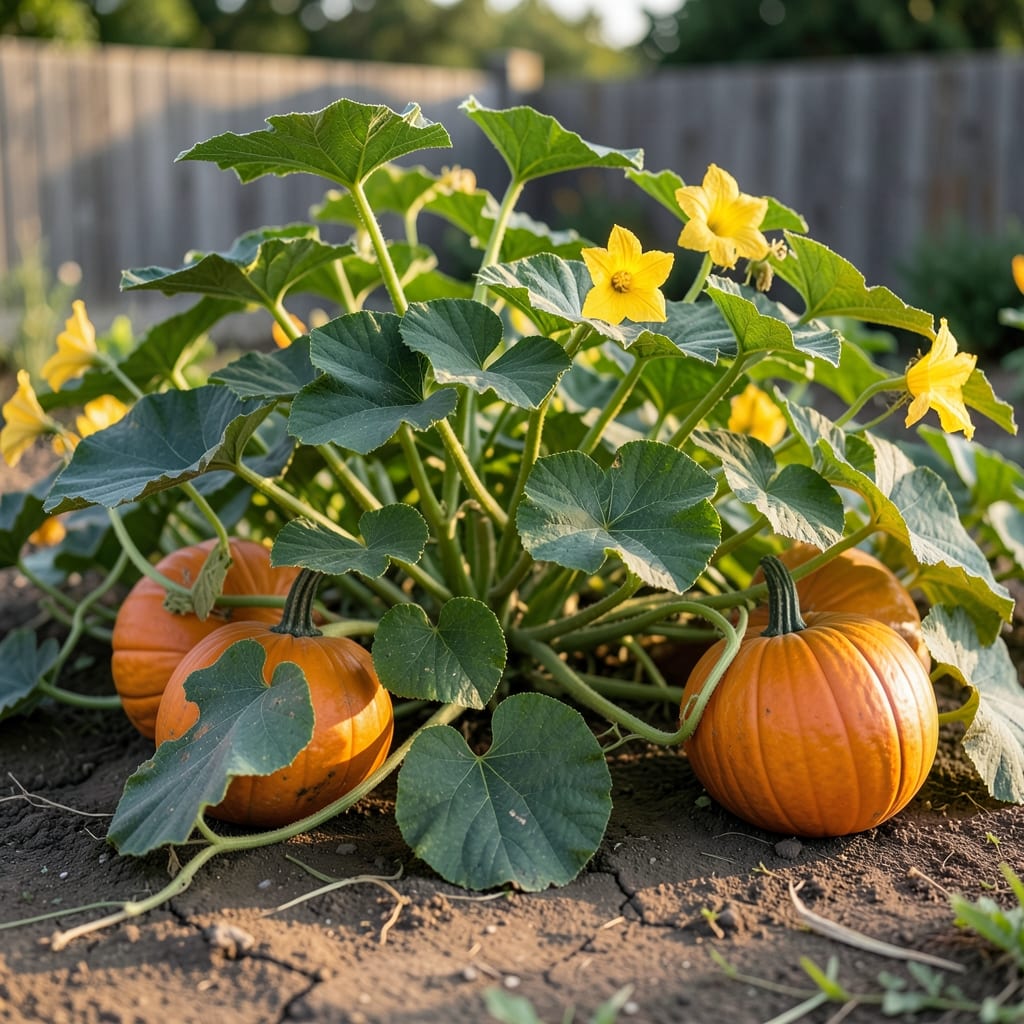
Those bright yellow pumpkin blooms can trigger panic when they appear. I’ve stood in my patch many times, wondering if this was normal or a sign of trouble brewing beneath the soil.
Here’s the thing—yellow flowers often mean the plant is doing exactly what it should. Male flowers show up first, and they’re all yellow, while females have a tiny fruit at the base.
But if the entire plant turns yellow or blooms drop off, that’s your cue to check for nutrient issues or disease. A quick inspection usually reveals the cause.
With a few simple adjustments, you can get your vines back on track and producing strong, healthy fruit before the season ends.
The yellowing of pumpkin flowers, often called pumpkin yellow flower, is usually a sign of underlying stress or disease. Below are the most common causes, explained in clear, actionable terms.
Pumpkins are heavy feeders, and a lack of essential nutrients can trigger yellowing flowers. Nitrogen deficiency is a primary culprit, as it disrupts chlorophyll production, leading to pale or yellow blooms. Similarly, magnesium or iron shortages can cause interveinal chlorosis (yellowing between leaf veins) that extends to flowers. A soil test can confirm deficiencies, and balanced organic fertilizers (like compost or fish emulsion) can restore vitality.
Both overwatering and underwatering stress pumpkin plants, affecting flower health. Overwatering suffocates roots, reducing nutrient uptake, while drought conditions force the plant to prioritize survival over flowering. Aim for 1–2 inches of water per week, delivered at the base to avoid wetting foliage, which can invite fungal diseases.
Pathogens like powdery mildew or downy mildew thrive in humid conditions and can spread to flowers, causing yellowing and wilting. These fungi block sunlight absorption, weakening the plant. Prevent outbreaks by improving airflow, avoiding overhead watering, and applying organic fungicides like neem oil or sulfur-based sprays at the first sign of white or yellow spots.
Sap-sucking pests such as aphids, spider mites, or squash bugs drain the plant’s resources, leading to yellow, stunted flowers. Check the undersides of leaves and flower stems for clusters of pests or sticky residue (honeydew). Introduce beneficial insects like ladybugs or use insecticidal soap for a natural solution.
Extreme temperatures—either heatwaves above 90°F (32°C) or cold snaps below 50°F (10°C)—can shock pumpkin plants, disrupting flower development. Provide shade cloth during peak heat and row covers in cooler weather to stabilize conditions. Yellowing may also occur if plants are exposed to herbicide drift, so avoid spraying near pumpkin patches.
If your pumpkin plants are showing yellow flowers but failing to set fruit, or if the blooms themselves look unhealthy, these targeted fixes will help. Address the root cause with these practical solutions, plus prevention tips to keep your patch thriving.
Hand-pollinate early in the morning when flowers are open. Use a small paintbrush to transfer pollen from male (long stem) to female (tiny fruit at base) blooms. Prevention tip: 💡 Plant pollinator-friendly flowers nearby to attract bees.
Test soil for nitrogen excess (which promotes leaves over flowers). Balance with phosphorus-rich amendments like bone meal. For potassium shortages, add wood ash or greensand. Prevention tip: 🌡️ Rotate crops yearly to avoid depletion.
Adjust watering to 1–2 inches per week at the base (avoid wetting leaves). Mulch with straw to retain moisture. Prevention tip: ✨ Use drip irrigation for consistent, even watering.
Remove affected flowers and treat with neem oil for pests like aphids. For fungal issues (e.g., powdery mildew), improve airflow and apply sulfur-based sprays. Prevention tip: 🎯 Space plants 3–5 feet apart for better ventilation.
Shade cloth can protect blooms from afternoon heat. If nights are too cool, use row covers to retain warmth. Prevention tip: 🌱 Plant after the last frost when soil is warm (70°F+).
Yes, male pumpkin flowers are naturally bright yellow. Female flowers also start yellow but have a tiny fruit at the base. Only worry if flowers turn pale or droop prematurely.
Male flowers grow on long, thin stems. Females have a short stem with a miniature pumpkin at the base. Check early morning when both types are open for pollination.
This often signals stress from overwatering, pests, or nutrient imbalance. Inspect leaves for spots or bugs, then adjust care. Healthy plants shed some blooms naturally.