
Beautiful Plants For Your Interior
Beautiful Plants For Your Interior
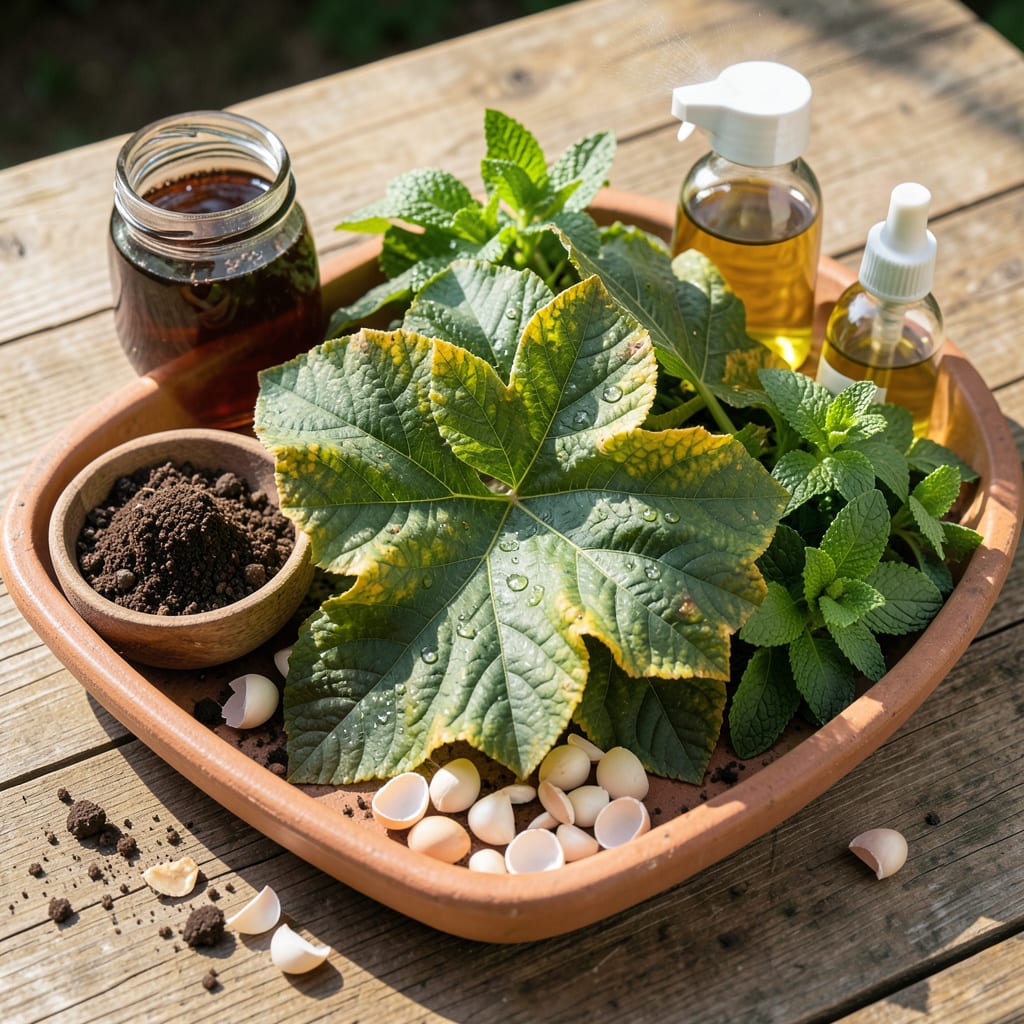
Yellow pumpkin leaves hit me hard last summer. 🌱 I watched my vines slow, then struggle, as the green faded to sickly yellow—turns out, it wasn’t disease but a simple soil imbalance.
After testing, I found my soil pH was off and nitrogen was low. A quick adjustment with compost and a pH test brought the color back in 2 weeks. No fancy tools, just paying attention.
You’ll spot the difference fast: new growth comes in deep green, and the vines regain their vigor. The fix is often simpler than you fear—just a matter of matching what the soil lacks.
Works for patches big or small, whether you’re growing for pies or jack-o’-lanterns. Here’s how to diagnose and correct it.
Yellow pumpkin leaves are often a sign of underlying stress, and the causes can usually be traced back to a few key issues in the plant’s environment or care. Here’s a breakdown of the most common culprits:
Pumpkins are heavy feeders, and yellowing leaves often signal a lack of essential nutrients. Nitrogen deficiency is a primary suspect, as it causes older leaves to turn uniformly yellow while veins may stay green. Magnesium or iron shortages can also lead to interveinal chlorosis (yellowing between veins), particularly in younger leaves. A soil test can confirm which nutrients are missing.
Too much water or poorly draining soil can suffocate pumpkin roots, leading to oxygen deprivation. This stress disrupts nutrient uptake, causing leaves to yellow and wilt. Root rot, a fungal issue, may also develop in soggy conditions, further damaging the plant. Ensure your pumpkin patch has well-draining soil and a consistent (but not excessive) watering schedule.
Sap-sucking pests like aphids, spider mites, or whiteflies can drain vital nutrients from pumpkin leaves, leading to yellowing and stunted growth. Check the undersides of leaves for tiny insects or webbing. Neem oil or insecticidal soap can help control these pests before they cause serious damage.
Diseases such as powdery mildew or bacterial leaf spot can cause yellow spots or patches on leaves. These often start as small discolorations before spreading. Fungal issues thrive in humid conditions, so improving airflow and avoiding overhead watering can reduce the risk. Copper-based fungicides may be necessary for bacterial infections.
Extreme heat, cold snaps, or sudden temperature fluctuations can shock pumpkin plants, leading to yellowing leaves. Additionally, excessive sunlight without adequate water can cause sunburn on leaves, turning them yellow or brown. Providing shade cloth during heatwaves or using row covers in cooler weather can mitigate this stress.
Here’s how to tackle yellow pumpkin leaves based on the most common causes, plus tips to keep your vines thriving:
If your soil test reveals low nitrogen, phosphorus, or potassium, amend with a balanced organic fertilizer (10-10-10) or targeted options like bone meal (phosphorus) or compost (nitrogen). For quick fixes, use a foliar spray of seaweed extract or fish emulsion. Prevention tip: Rotate crops yearly to avoid depleting nutrients, and mix in aged manure before planting.
Overwatering or drought can both turn leaves yellow. Check soil moisture 1–2 inches deep—it should feel like a wrung-out sponge. Water deeply but infrequently (1–1.5 inches per week), preferably at the base in the morning. Prevention tip: Mulch with straw to retain moisture and regulate temperature.
Pumpkins prefer a pH of 6.0–6.8. If your soil is too acidic (below 6.0), add lime; if it’s alkaline (above 7.0), mix in sulfur or peat moss. Test soil every 2–3 years. Prevention tip: Avoid over-fertilizing, which can skew pH and burn roots.
For spider mites or aphids, spray leaves with neem oil or insecticidal soap every 3–5 days until gone. For fungal issues (like powdery mildew), remove infected leaves and apply a copper-based fungicide. Prevention tip: Space plants 3–4 feet apart for airflow, and avoid wetting leaves when watering.
If leaves scorch in extreme heat, provide afternoon shade with a shade cloth. For insufficient light, prune nearby plants blocking sunlight. Prevention tip: Plant in full sun (6–8 hours daily) and harden off seedlings before transplanting.
Water deeply 1-2 times per week, providing 1-1.5 inches total. Check soil 1-2 inches deep—it should feel like a wrung-out sponge. Morning watering at the base is best.
For quick results, use a foliar spray of seaweed extract or fish emulsion. This delivers nutrients directly to leaves. Visible improvement often appears within 3-5 days.
Severely yellow leaves won’t recover, but new growth will be green once the underlying issue is fixed. Focus on correcting soil conditions rather than treating individual leaves.
Yes, prune severely yellow or diseased leaves to improve airflow and prevent spread. Use clean shears and remove at the stem. This helps the plant focus energy on healthy growth.
