
Beautiful Plants For Your Interior
Beautiful Plants For Your Interior
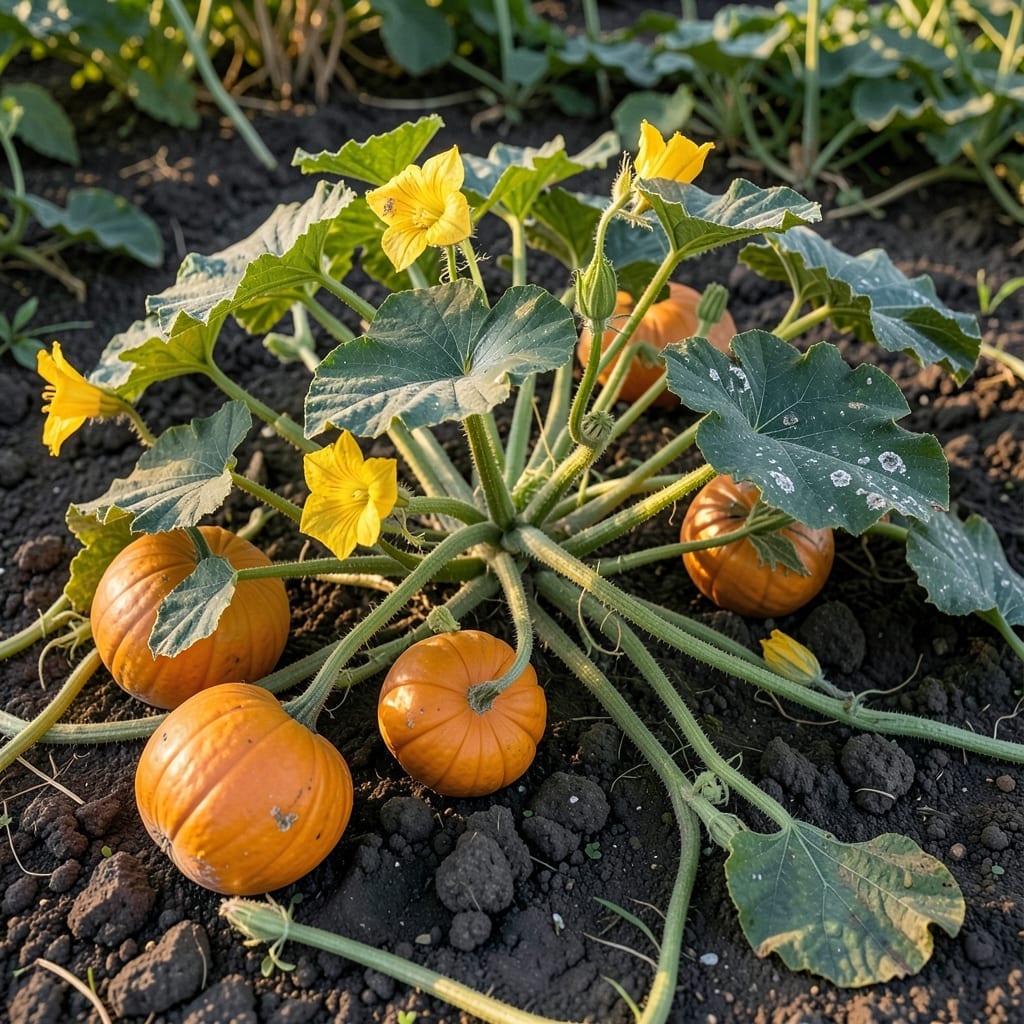
White powder on your pumpkin leaves isn’t just unsightly—it’s a warning sign. I first noticed it on my prize vine last July, spreading fast in the humid weather.
This sneaky fungus thrives in damp conditions, often starting as small spots before covering entire leaves. Without action, it weakens plants and stunts your pumpkin harvest.
Good news: catching it early means you can reverse the damage. I saved my crop with a mix of pruning and targeted sprays, and your plants can bounce back too.
Here’s what worked for me—and how to stop it before it starts.
White fungus on pumpkins typically arises due to environmental and biological factors that create ideal conditions for fungal growth. Here are the primary causes:
Fungi thrive in damp environments. Overwatering, heavy rainfall, or poor soil drainage can saturate the soil, reducing oxygen availability to the roots. This stress weakens the pumpkin plant, making it more susceptible to fungal infections like Sclerotinia or powdery mildew. Action: Ensure proper drainage and avoid overhead watering to keep foliage dry.
White fungus often flourishes in warm (70–85°F), humid conditions. These temperatures accelerate spore germination, while high humidity (above 80%) prevents moisture from evaporating quickly. Action: Improve air circulation with spacing or pruning, and use mulch to reduce soil Splashing.
Decaying plant matter, such as fallen leaves or old vines, harbors fungal spores. If not removed, these spores can infect healthy pumpkin plants. Action: Clear garden debris regularly and rotate crops yearly to disrupt fungal life cycles.
Some white fungi, like Phytophthora, live in the soil and attack pumpkin roots or stems under wet conditions. Infected soil or contaminated tools can spread the pathogen. Action: Use sterilized tools and consider soil solarization or fungicide treatments for heavily infested areas.
Dealing with white fungus on your pumpkin plants can be frustrating, but these targeted solutions will help you regain control. Address each issue at its root to restore your garden’s health.
If soggy soil is to blame, stop watering immediately and let the top 2 inches of soil dry out. Improve drainage by amending the soil with compost or sand. For potted pumpkins, ensure containers have drainage holes. Prevention tip: 💡 Water only when the topsoil feels dry, and use a moisture meter to avoid guesswork.
Fungus thrives in damp, stagnant air. Prune dense foliage to improve airflow, and remove any infected leaves or vines right away. Space plants at least 3–4 feet apart. Prevention tip: 🌡️ Water early in the day so leaves dry quickly, and consider a small fan for greenhouse setups.
For active outbreaks, apply a copper-based fungicide or neem oil spray every 7–10 days until the fungus clears. Always follow label instructions. Prevention tip: ✨ Rotate crops yearly, and clean garden tools with rubbing alcohol to prevent spores from spreading.
Strengthen your pumpkins with a balanced fertilizer (10-10-10) and avoid over-fertilizing with nitrogen, which promotes leafy growth at the expense of resilience. Prevention tip: 🎯 Use mulch to regulate soil moisture and temperature, reducing plant stress.
No, the fungus itself isn’t toxic, but infected pumpkins may taste bitter or spoil faster. Always discard heavily affected portions.
If over 50% of the plant is affected, it’s best to remove it to prevent spreading. Early cases can often recover with treatment.
Rotate crops, remove all plant debris, and use copper fungicide as a preventative spray in early summer.
Yes, neem oil is effective for mild cases. Apply weekly in the evening, as sunlight can reduce its potency.