
Beautiful Plants For Your Interior
Beautiful Plants For Your Interior
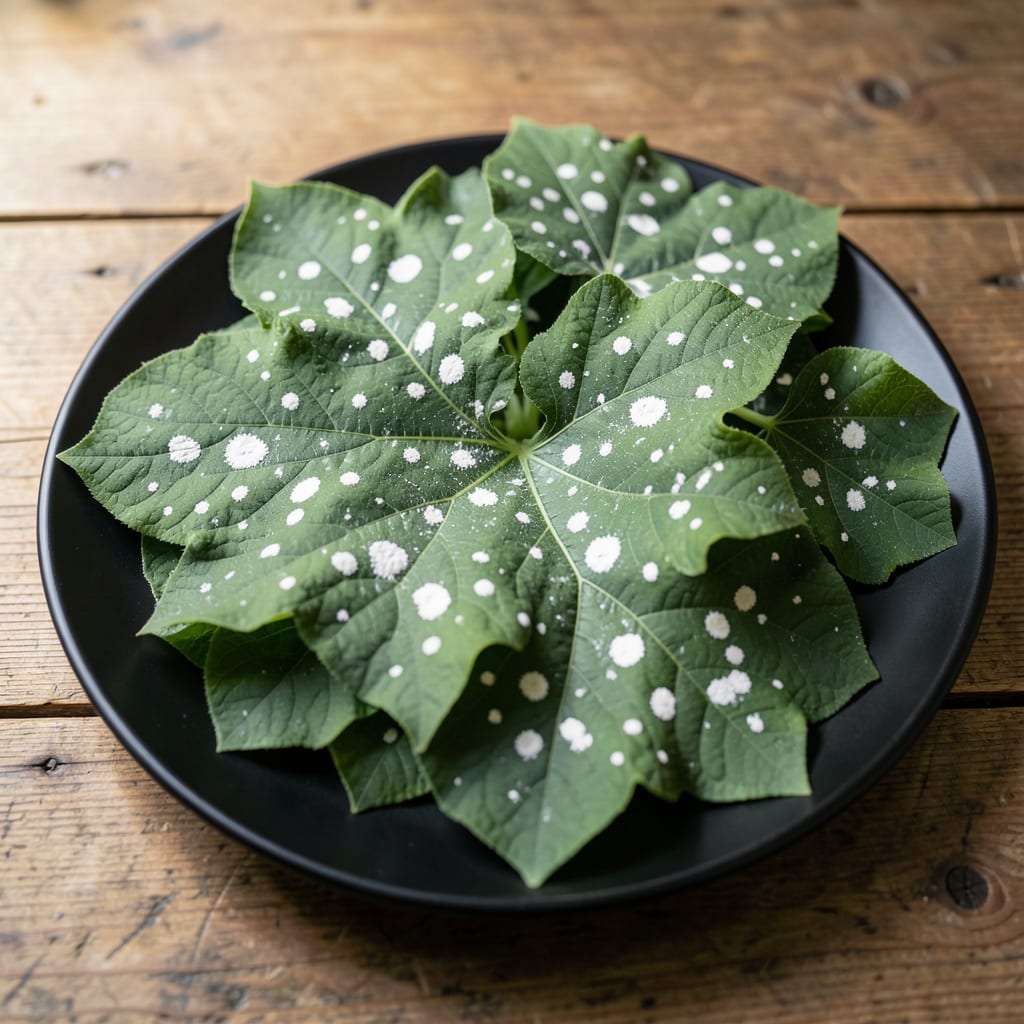
Those white spots on your pumpkin leaves aren’t just ugly—they’re a warning. I’ve seen healthy vines turn to crispy brown messes in 48 hours when ignored. The good news? Most causes are fixable if you catch them early.
Powdery mildew, downy mildew, spider mites, or even nutrient issues all leave different white marks. The key is knowing which one you’re dealing with. Wrong treatment wastes time and lets the problem spread to your whole patch.
I’ve rescued pumpkin plants with simple sprays, better airflow, and soil adjustments. The fix often takes less than 10 minutes but saves weeks of growth. Your vines can bounce back stronger if you act now.
Don’t panic—this happens to every gardener eventually. What matters is what you do next.
White spots on pumpkin leaves often signal underlying issues that can harm your plant if left unchecked. Below are the most common causes, explained with clear, actionable insights.
Fungi like Powdery Mildew (Podosphaera xanthii) thrive in warm, humid conditions. They appear as white, powdery patches on leaf surfaces, often spreading rapidly. Overhead watering and poor air circulation worsen the problem. Action: Improve airflow, avoid wetting leaves, and apply fungicides like neem oil or sulfur-based sprays.
Bacteria such as Pseudomonas syringae can cause small, water-soaked spots that turn white or tan with dark edges. These often merge into larger lesions. Action: Remove infected leaves immediately, avoid overhead irrigation, and use copper-based bactericides for prevention.
Sap-sucking pests like spider mites and whiteflies leave behind sticky residue or stippling, which can resemble white spots. Their feeding weakens the plant and may introduce secondary infections. Action: Inspect leaf undersides and treat with insecticidal soap or horticultural oil.
Extreme heat, sunburn, or chemical drift (e.g., herbicide exposure) can cause bleached or white patches. Unlike diseases, these spots are often irregular and appear suddenly after stress events. Action: Provide shade cloth during heatwaves and rinse leaves if chemical exposure is suspected.
Nutrient imbalances, particularly calcium or magnesium deficiency, may manifest as interveinal white or yellow spotting. Soils with poor fertility or improper pH (below 6.0) exacerbate the issue. Action: Test soil and amend with lime (for calcium) or Epsom salts (for magnesium).
Addressing white spots on pumpkin leaves starts with identifying the cause. Below are targeted fixes for common issues, along with prevention tips to keep your plants healthy.
Remove heavily infected leaves and prune dense foliage to boost air circulation. Spray affected areas with a baking soda solution (1 tsp baking soda + 1 quart water + a few drops of dish soap). For severe cases, use neem oil or a fungicide labeled for powdery mildew.
Prevention: Water at the base of the plant (not the leaves) and space pumpkins 3–4 feet apart. 💡 Morning watering helps leaves dry faster.
For aphids or spider mites, blast them off with a strong stream of water. Apply insecticidal soap or introduce natural predators like ladybugs. For squash bugs, handpick eggs and adults early in the morning and drop them in soapy water.
Prevention: Use row covers early in the season and plant companion herbs like basil or nasturtiums to deter pests. ✨ Rotate crops yearly to disrupt pest cycles.
If white spots appear after intense sun exposure, shield leaves with shade cloth (30–50% density) during peak afternoon hours. Young plants are especially vulnerable—harden them off gradually before full sun exposure.
Prevention: Acclimate seedlings outdoors for 1–2 weeks before transplanting. 🌡️ Avoid sudden shifts from greenhouse to full sun.
Test your soil for deficiencies. For magnesium (interveinal white spots), apply Epsom salt (1 tbsp per gallon of water) as a foliar spray. For calcium (new growth distortion), add crushed eggshells or lime to the soil.
Prevention: Enrich soil with compost before planting and use a balanced fertilizer (10-10-10) monthly. 🎯 Regular soil tests catch issues early.
Check leaf undersides for tiny bugs or webbing—this indicates pests like spider mites. Disease spots often spread and change appearance over 24-48 hours, while pest damage looks like stippling or speckling.
Yes, fungal and bacterial issues can spread quickly via wind or water splash. Isolate affected plants and avoid overhead watering. Remove heavily infected leaves immediately to protect nearby plants.
If the issue is fungal or pest-related, the fruit remains safe to eat if washed. Avoid consuming pumpkins from plants treated with chemical fungicides within the label’s wait period. Always wash produce thoroughly.
Remove infected leaves first, then apply a neem oil spray or baking soda solution. Improve airflow by pruning and spacing plants 3-4 feet apart. This slows progression within 24 hours.
