
Beautiful Plants For Your Interior
Beautiful Plants For Your Interior
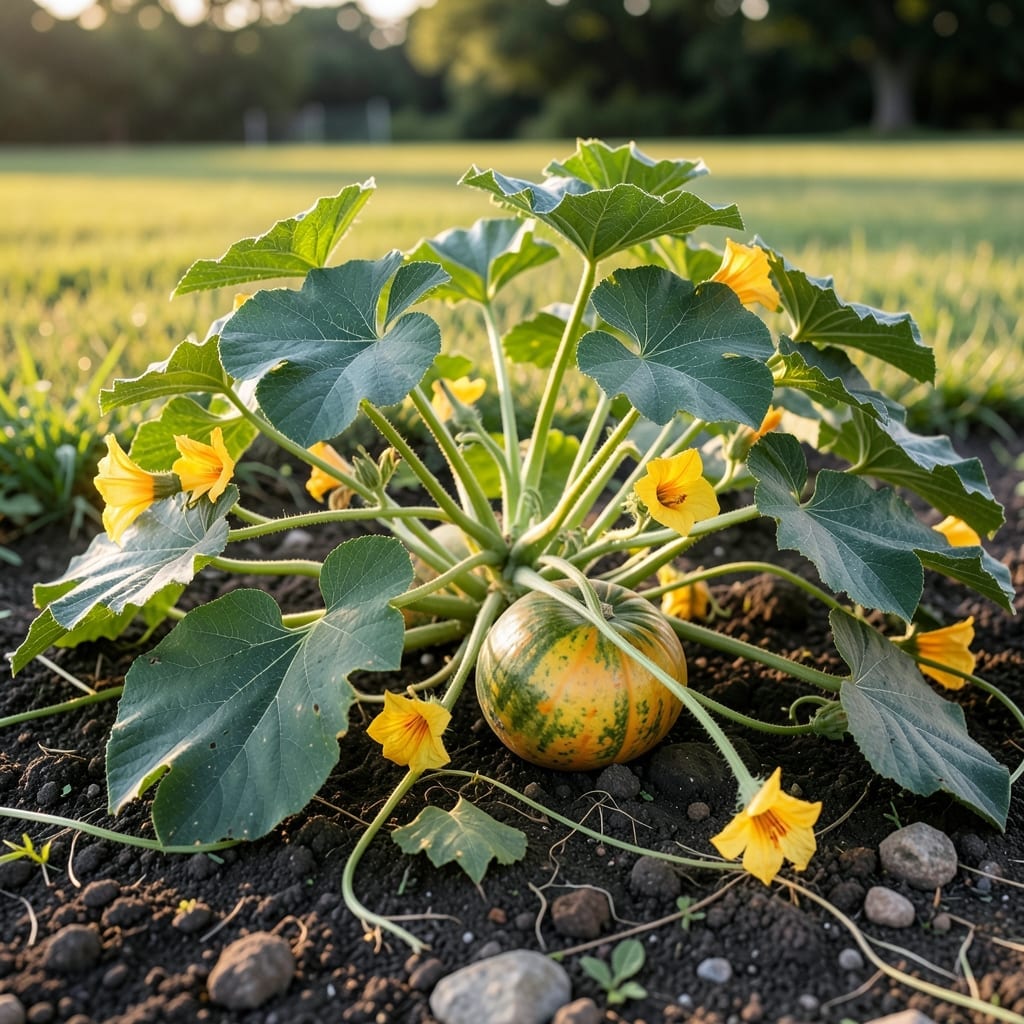
That sickly yellow pumpkin in your patch isn’t doomed yet. I’ve saved dozens from the same fate with a few simple checks and fixes.
Usually it’s water stress—either too much or not enough—or a hunger for nitrogen that leaves leaves pale and weak. Sometimes it’s pests hiding beneath, draining the life out of your vines.
You’ll see green return in days once you address the root cause. The key is acting fast before the yellow spreads to the whole plant.
Works for all pumpkin varieties and most squash. Here’s how to diagnose and fix it properly.
A pumpkin turning yellow is often a sign of underlying stress or disease. Below are the most common causes, explained simply with actionable insights.
Lack of essential nutrients like nitrogen, magnesium, or iron can cause leaves and fruit to yellow. Nitrogen deficiency typically starts with older leaves turning pale, while magnesium shortage appears as interveinal chlorosis (yellowing between veins). A soil test can confirm imbalances—amend with compost or targeted fertilizers (e.g., Epsom salt for magnesium).
Too much water suffocates roots, reducing oxygen uptake and nutrient absorption. This leads to yellowing leaves and stunted growth. Check soil moisture 2 inches deep—if it’s soggy, improve drainage with raised beds or organic matter. Pumpkins prefer moist but not waterlogged soil.
Pumpkins need 6–8 hours of sunlight daily. Insufficient light slows chlorophyll production, causing yellowing. Extreme heat (above 90°F) or sudden cold snaps can also stress the plant. Use shade cloth during heatwaves and row covers for unexpected frosts.
Squash bugs, aphids, or powdery mildew can drain plant vitality, leading to yellow patches. Inspect undersides of leaves for pests or white fungal growth. Treat with neem oil or insecticidal soap, and remove infected foliage promptly to prevent spread.
If your pumpkin is turning yellow, act fast to restore its health. Below are targeted fixes for common causes, along with prevention tips to keep your patch thriving.
Yellowing leaves often signal a lack of nitrogen, magnesium, or iron. Apply a balanced fertilizer (10-10-10) or a nitrogen-rich option like compost tea. For magnesium, use Epsom salt (1 tablespoon per gallon of water) as a foliar spray. Test your soil first to pinpoint the deficiency.
Prevent it: Amend soil with organic matter before planting and fertilize every 3–4 weeks during the growing season. 💡
Soggy soil suffocates roots, leading to yellowing. Check soil moisture 2 inches down—if it’s muddy, hold off on watering. Ensure your pumpkin patch has well-draining soil; raised beds can help. Water deeply but only when the top inch of soil is dry.
Prevent it: Use mulch to retain moisture evenly and avoid waterlogging. ⏰
Pests like aphids or diseases such as powdery mildew can stress plants, causing yellow patches. Spray with neem oil or insecticidal soap for pests. For fungal issues, apply a copper-based fungicide and remove infected leaves immediately.
Prevent it: Rotate crops yearly, space plants for airflow, and inspect leaves regularly for early signs of trouble. ✨
Too much direct sun or extreme heat can scorch leaves, while cold snaps stunt growth. Provide shade cloth during peak afternoon heat if temperatures exceed 90°F. Use row covers for unexpected cold.
Prevent it: Plant pumpkins in a spot with full sun (6–8 hours) but monitor weather forecasts for extremes. 🌡️
Yes, if the issue is caught early and corrected. Fixing nutrient deficiencies or water stress can restore color in 1-2 weeks. Severely damaged leaves won’t recover, but new growth will be healthy.
No, it’s often environmental. Overwatering, poor drainage, or lack of sunlight are common causes. Check soil moisture and sunlight exposure before assuming pests or disease are to blame.
Test soil before planting and amend with compost. Water deeply but only when the top 1 inch of soil is dry. Rotate crops yearly and space plants for airflow.