
Beautiful Plants For Your Interior
Beautiful Plants For Your Interior
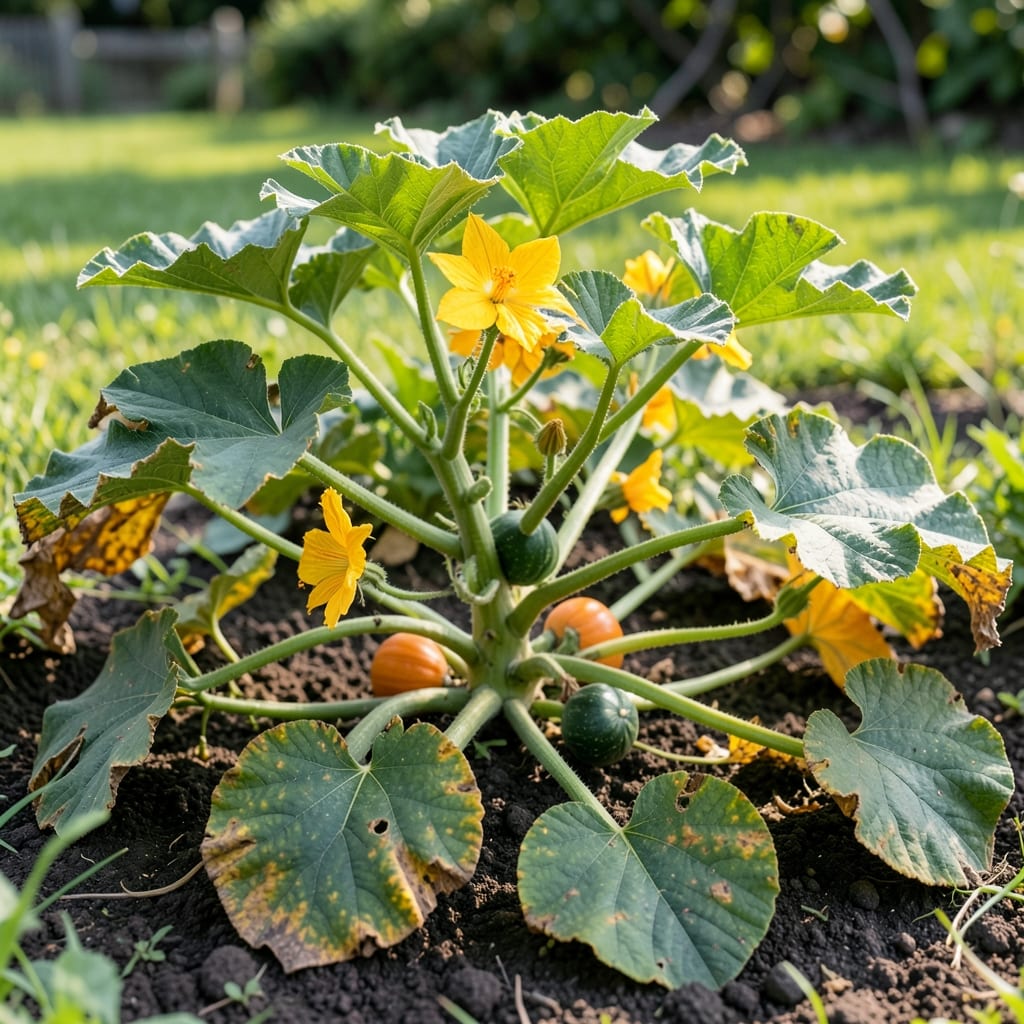
Nothing kills garden momentum like watching your pumpkin vines wither overnight. I’ve stood in my patch more times than I care to admit, staring at yellowing leaves and wondering where I went wrong.
Turns out, dying pumpkin leaves usually scream one of four problems: water stress, pests hiding underneath, fungus spreading fast, or soil that’s starving your plants. The good news? All four are fixable if you catch them early.
What you’ll get here is a way to diagnose the issue in 60 seconds with just your eyes and a flashlight. Then we’ll walk through the exact steps to bring those vines back to life.
No fancy equipment needed—just observation and a willingness to act fast. Your pumpkins will thank you.
When your pumpkin leaves start to wilt, yellow, or brown, it’s usually a sign of stress. Here are the most common culprits—and how to spot them:
Pumpkins need consistent moisture, but too much or too little can kill leaves. Overwatering suffocates roots, leading to yellowing leaves and root rot. Underwatering causes crispy, brown edges as cells collapse. Fix: Water deeply 1–2 times a week (more in heat), ensuring soil drains well.
Powdery mildew (white dust), downy mildew (yellow patches), and alternaria leaf spot (brown circles) thrive in damp, crowded conditions. These fungi block photosynthesis, starving leaves. Fix: Space plants for airflow, water at the base, and apply copper fungicide preventatively.
Squash bugs and cucumber beetles pierce leaves, injecting toxins that cause wilting and blackened veins. Aphids and spider mites suck sap, leading to yellow stippling. Fix: Handpick pests, use neem oil, or introduce ladybugs.
Extreme heat (above 90°F) or cold snaps can scorch or freeze leaves. Sunburn appears as bleached patches, while chill damage turns leaves black and mushy. Fix: Use shade cloth for heatwaves; cover plants if frost threatens.
Nitrogen deficiency causes uniform yellowing (starting with older leaves), while magnesium lack creates interveinal yellowing. Potassium shortage leads to brown, crinkled edges. Fix: Test soil and amend with compost or targeted fertilizers (e.g., Epsom salt for magnesium).
When pumpkin leaves start to wither, quick and targeted action can save your plant. Below are practical fixes for the most common causes, along with tips to keep your vines healthy long-term.
Fix: Check the soil moisture 2 inches deep. If bone-dry, water deeply at the base (avoid wetting leaves). If soggy, stop watering and improve drainage by mixing in compost or sand. Let the top inch dry between waterings.
Prevention: Use a moisture meter or the finger test. Mulch with straw to retain even moisture. 💡 Pro tip: Water early in the morning to reduce evaporation and fungal risks.
Fix: Spray leaves with a neem oil solution (1 tbsp oil + 1 tsp dish soap + 1 quart water) to deter aphids, beetles, or spider mites. For severe cases, pick off pests by hand or use insecticidal soap. Remove heavily damaged leaves to prevent spread.
Prevention: Inspect leaves weekly (especially undersides). Encourage ladybugs and lacewings—natural predators—by planting companion flowers like marigolds.
Fix: Remove infected leaves immediately and dispose of them away from the garden. Apply a copper-based fungicide or a baking soda spray (1 tsp baking soda + 1 quart water + a few drops of soap). Prune to improve airflow.
Prevention: Space plants 3–4 feet apart. Avoid overhead watering, and rotate crops yearly to prevent soil-borne diseases.
Fix: Yellowing leaves often signal a lack of nitrogen or magnesium. Apply a balanced fertilizer (10-10-10) or side-dress with compost. For magnesium, sprinkle Epsom salt (1 tbsp per gallon of water) at the base.
Prevention: Test soil before planting. Amend with organic matter like compost or well-rotted manure at the start of the season.
Fix: Shield leaves from intense afternoon sun with shade cloth. If temperatures drop below 50°F, cover young plants with row covers. Trim back vines if overcrowding is blocking light.
Prevention: Plant in a spot with full sun (6–8 hours daily) and consistent temperatures. Harden off seedlings before transplanting.
Check the soil 2 inches deep. If dry, it’s thirsty. If soggy, you’re overdoing it. Crispy edges mean underwatering, while yellowing with mushy stems signals too much water.
Remove infected leaves immediately. Then spray with 1 tsp baking soda + 1 quart water + soap. Repeat every 5-7 days until clear. Prevent by spacing plants for airflow.
Not if they’re already yellow. Focus on fixing the root cause (nutrients, water, pests) to save the rest. New growth will be green if the issue is resolved.
Yes, but only if over 50% damaged. Use clean shears to avoid spreading disease. Never remove more than 1/3 of leaves at once.