
Beautiful Plants For Your Interior
Beautiful Plants For Your Interior
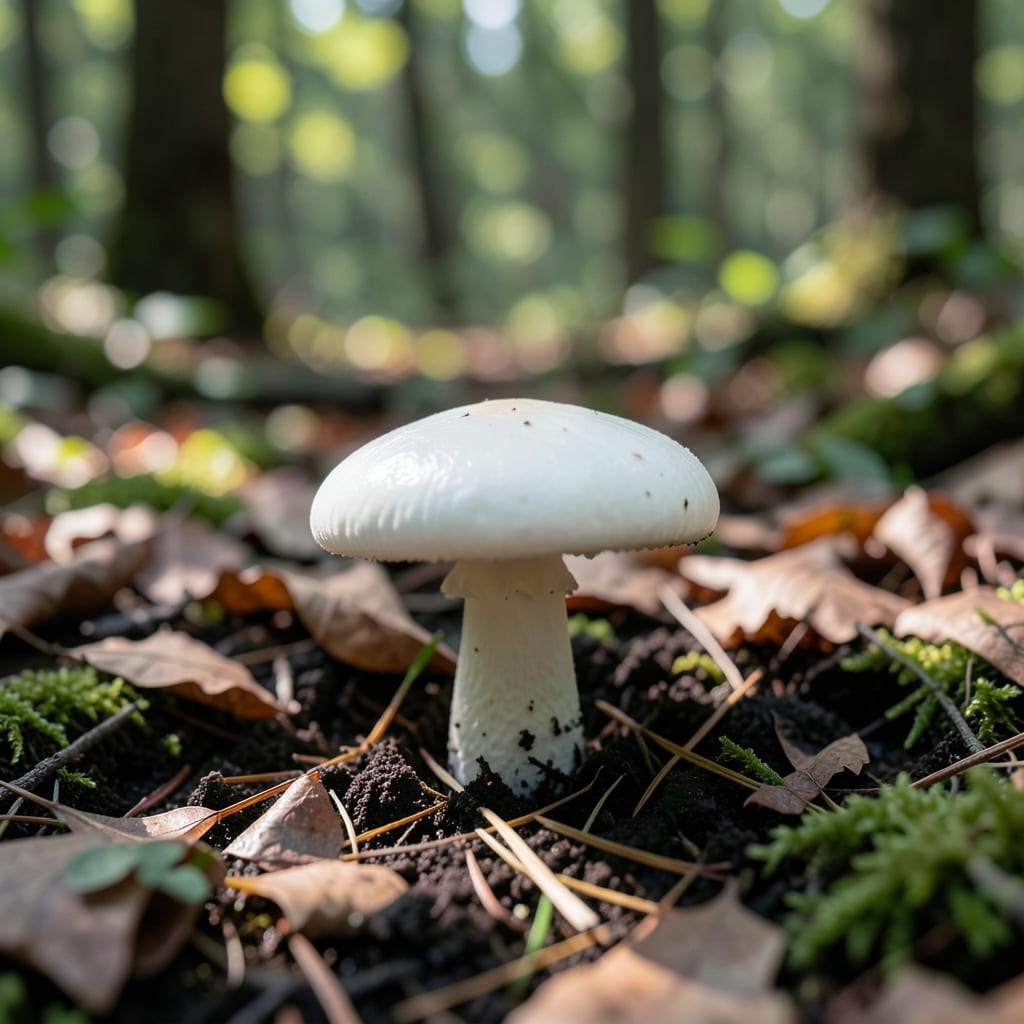
White puffballs on your plants aren’t a death sentence. I’ve seen gardens bounce back completely within 2 weeks using the right approach.
This fungus thrives in damp, crowded conditions—exactly what most of us create when we overwater or ignore spacing. The good news? It’s treatable without harsh chemicals.
You’ll spot improvement fast: leaves clear up, new growth stays healthy, and the spread stops in its tracks. The key is acting at the first sign, not after it’s taken over.
Works for tomatoes, squash, and most ornamentals. Here’s how to turn the tide quickly.
The appearance of puffy white fungus in your garden is often a sign of underlying environmental or cultural issues. Understanding the root causes can help you address the problem effectively and prevent future outbreaks.
Overwatering or poor drainage creates the perfect breeding ground for fungal growth. Puffy white fungus thrives in damp, waterlogged soil where air circulation is limited. This is especially common in areas with heavy clay soil or containers without proper drainage holes. Actionable tip: Ensure your soil is well-draining and adjust your watering schedule to allow the top inch of soil to dry out between waterings.
Decaying plant matter, such as fallen leaves, grass clippings, or compost piles, provides a rich food source for fungi. When organic material accumulates and isn’t properly broken down, it invites fungal spores to settle and multiply. Actionable tip: Regularly clear debris from your garden beds and maintain a clean growing environment to reduce fungal opportunities.
Stagnant air and high humidity levels—common in densely planted gardens or greenhouses—encourage fungal spores to germinate and spread. Without adequate airflow, moisture lingers on plant surfaces, fostering the growth of puffy white fungus. Actionable tip: Space plants appropriately, prune for better ventilation, and consider using a small fan in enclosed growing spaces.
Fungal spores can live dormant in soil or on gardening tools for extended periods. If you reuse contaminated soil or fail to sterilize tools between uses, you risk introducing the fungus to healthy plants. Actionable tip: Use pasteurized potting mix and clean tools with a 10% bleach solution to minimize contamination risks.
Tackling the issue head-on is simpler than it seems. Below are targeted solutions for the most common causes, paired with prevention tips to keep your garden thriving. 🎯
If soggy soil is the culprit, reduce watering frequency and ensure your plants have proper drainage. Use a moisture meter to check soil dampness before watering. Switch to a drip irrigation system for precise hydration, and avoid wetting the leaves to prevent fungal growth.
Prevention: Water early in the day so foliage dries quickly. Mulch around plants to retain moisture without oversaturating the roots.
Fungus thrives in stagnant, humid conditions. Thin out dense foliage to allow air to circulate freely. Prune overgrown branches and remove dead leaves or debris from the garden bed. For potted plants, space them apart to encourage airflow.
Prevention: Plant in well-spaced arrangements from the start, and consider using a small fan in greenhouses or enclosed spaces.
If the soil is infected, remove the top layer (about 2-3 inches) and replace it with fresh, sterile potting mix. For mild cases, treat the soil with a natural fungicide, such as neem oil or a baking soda solution (1 tablespoon baking soda + 1 gallon water + a few drops of dish soap).
Prevention: Rotate crops annually and avoid reusing soil from infected plants. Solarize soil by covering it with clear plastic for 4-6 weeks to kill lingering spores.
In humid climates, use a dehumidifier in indoor growing areas or increase ventilation outdoors. Water plants in the morning so excess moisture evaporates during the day. Choose fungus-resistant plant varieties if humidity is a persistent issue.
Prevention: Monitor humidity with a hygrometer and aim to keep levels between 40-60% for most plants.
Pro Tip: 💡 Regularly inspect your plants for early signs of trouble—catching issues early makes treatment far easier!
Most types are harmless, but it’s best to avoid direct contact. Some people may experience mild skin irritation. Always wear gloves when handling affected plants or soil.
Yes! A baking soda solution (1 tablespoon per 1 gallon of water) works well for mild cases. Neem oil is another effective natural treatment. Apply in the morning for best results.
Fungal spores travel easily through air and water. Isolate affected plants immediately and improve airflow to prevent contamination. Sterilize tools after use.
With proper care, you should see improvement within 1-2 weeks. Complete recovery may take a month, depending on severity. Consistency is key to full eradication.