
Beautiful Plants For Your Interior
Beautiful Plants For Your Interior
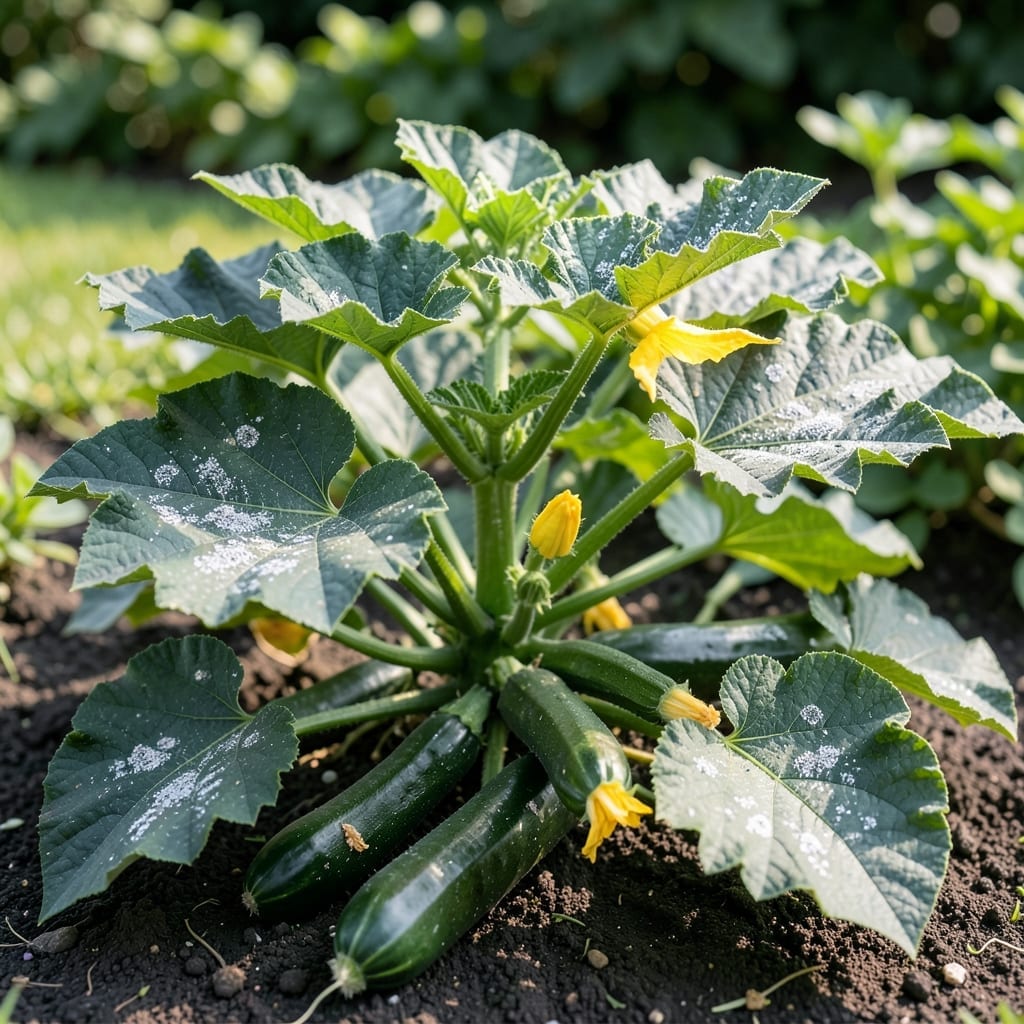
That white dust on your zucchini leaves isn’t flour—it’s trouble. Powdery mildew spreads fast in humid summers, turning healthy plants into sad, stunted producers overnight.
I lost an entire crop to this fungus my second year. Now I catch it early with simple sprays and airflow tricks that stop it dead in its tracks. No fancy chemicals required.
You’ll see new growth stay clean within a week of treatment, and your plants will keep pumping out zucchinis like nothing happened.
Works for squash, cucumbers, and melons too. Here’s how to save your harvest before it’s too late.
Powdery mildew on zucchini plants doesn’t appear out of nowhere—it thrives under specific environmental and cultural conditions. Here’s a breakdown of the primary causes:
The fungus Podosphaera xanthii (the most common culprit for zucchini) spreads rapidly in humid conditions (60–80% relative humidity) combined with stagnant air. Dense plantings, overhead watering, or shaded areas trap moisture on leaves, creating the perfect breeding ground for spores.
Powdery mildew flourishes in temperatures between 60–80°F (15–27°C), especially when days are warm and nights are cool. This temperature swing slows leaf drying, prolonging the dampness that spores need to germinate.
Wetting the foliage directly—whether from sprinklers or rain—gives fungal spores a free ride. Water droplets on leaves can carry spores to new surfaces, and prolonged moisture softens leaf cuticles, making them more susceptible to infection.
Some zucchini cultivars lack genetic resistance to powdery mildew. Heirloom or older varieties, in particular, may struggle more than modern disease-resistant hybrids (e.g., ‘Dunja’ or ‘Astia’).
Stressed plants—due to poor soil fertility, drought, or excessive nitrogen (which promotes lush, soft growth)—are more vulnerable. Overcrowding also reduces airflow, compounding the risk.
Actionable takeaway: Improve spacing, water at the base, and choose resistant varieties to break the fungus’s life cycle.
Powdery mildew on your zucchini plants can be frustrating, but these practical fixes will help you tackle the issue head-on. Below are targeted solutions for the most common causes, along with prevention tips to keep your garden healthy.
Crowded plants trap moisture, creating the perfect environment for mildew. Thin out dense foliage by pruning affected leaves and spacing plants at least 2–3 feet apart. Use a small fan on low settings to gently improve airflow if your garden is in a sheltered spot. This simple step can significantly reduce humidity around your zucchini.
Watering from above wets the leaves, which encourages fungal growth. Switch to drip irrigation or water at the base of the plant early in the morning. This gives foliage time to dry before cooler, damper evenings set in. Avoid watering in the late afternoon or evening to minimize moisture buildup.
If mildew has already appeared, act fast with organic treatments. Spray affected leaves with a mixture of 1 tablespoon baking soda + 1 teaspoon dish soap + 1 gallon of water. Apply weekly or after rain. Neem oil (mixed per label instructions) is another effective organic option—it both treats and prevents further spread.
Fungal spores overwinter in garden debris. Remove and destroy (do not compost) infected leaves and stems immediately. At the end of the season, clear all plant material from the bed to prevent reinfection next year. Rotate crops yearly to break the mildew cycle.
Prevention Tip: 💡 Choose mildew-resistant zucchini varieties like ‘Ambassador’ or ‘Emerald Delight’ for a head start. Healthy soil and balanced fertilization also boost plant resilience!
Yes, the spores travel easily by wind. Keep infected plants isolated and avoid working with them when foliage is wet to prevent contamination.
For organic sprays like baking soda or neem oil, reapply every 7-10 days or after rain. Consistency is key to breaking the fungus life cycle.
Yes, the fruit remains safe to eat. Wash thoroughly before consuming. Focus treatment on leaves to protect future harvests.
Remove and destroy the most infected leaves immediately, then apply neem oil spray at dusk. This combination works within 24-48 hours.