
Beautiful Plants For Your Interior
Beautiful Plants For Your Interior
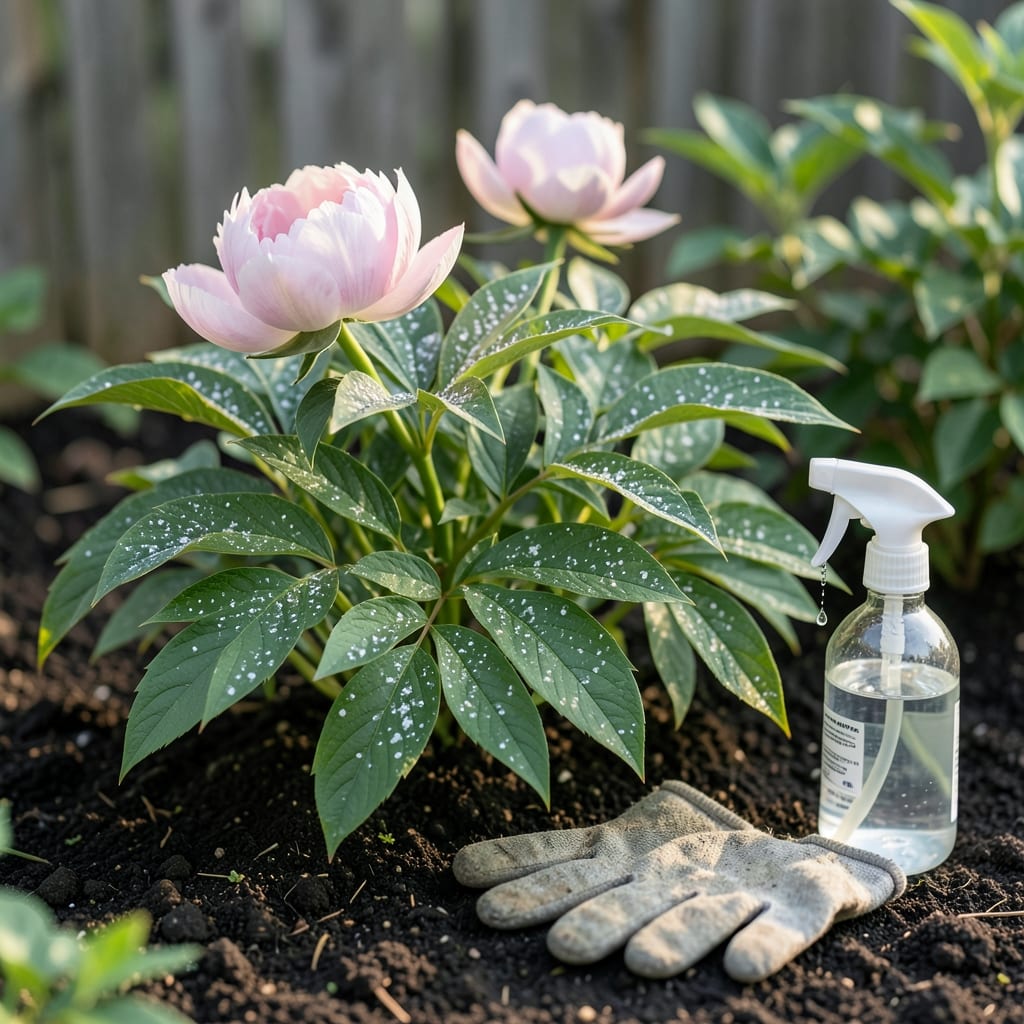
That white dust on your peony leaves isn’t just ugly—it’s stealing your flowers. I lost an entire season to powdery mildew before learning how to stop it in its tracks.
This naturally occurring fungus thrives in humid conditions, but the solution is simpler than you’d think. A weekly spray of the right treatment keeps it from spreading without harsh chemicals.
Your peonies will reward you with healthier foliage and bigger blooms next year. The key is catching it early and staying consistent with applications.
Works for all peony varieties, from herbaceous to tree types. Here’s exactly what to do when you spot those first white spots.
Powdery mildew on peonies is a common fungal disease caused by Podosphaera or Erysiphe species. This unsightly white, powdery coating on leaves and buds thrives under specific conditions. Understanding the root causes helps you prevent and manage it effectively.
The fungus flourishes in environments with 60–80% humidity and temperatures between 60–80°F (15–27°C). Unlike many fungi, powdery mildew doesn’t require free water to germinate—high humidity alone is enough. Peonies in crowded gardens or shaded areas with poor air circulation are especially vulnerable.
Dense plantings or overhead watering create stagnant, moist air around foliage, which encourages fungal spores to settle and grow. Peonies with thick, lush growth or those planted too closely together trap humidity, accelerating infection.
Some peony cultivars are genetically more prone to powdery mildew, particularly herbaceous peonies with soft, tender leaves. Varieties like Paeonia lactiflora ‘Sarah Bernhardt’ or ‘Duchesse de Nemours’ often show symptoms first. Tree peonies (Paeonia suffruticosa) are generally more resistant.
Peonies weakened by drought, over-fertilization (especially high nitrogen), or poor soil drainage are more susceptible. Excess nitrogen promotes lush, soft growth—ideal for fungal attack. Similarly, waterlogged roots or inconsistent watering stress the plant, reducing its natural defenses.
Tackling powdery mildew on your peonies starts with understanding the cause. Below are targeted fixes for common triggers, paired with prevention tips to keep your plants thriving.
Overcrowded plants trap moisture, creating a breeding ground for mildew. Fix: Thin out dense foliage with clean shears, and space peonies at least 3–4 feet apart. Remove any affected leaves and destroy them (don’t compost!) to stop the spread. 💡 Prevention tip: Plant peonies in open, breezy spots and avoid overhead watering.
Mildew thrives in damp, still air. Fix: Water at the base of the plant in the morning so foliage dries quickly. Use a small fan on low to gently circulate air in greenhouses or sheltered areas. 💡 Prevention tip: Choose mildew-resistant peony varieties like Paeonia lactiflora ‘Sarah Bernhardt’ for humid climates.
Weak or stressed peonies are more susceptible. Fix: Apply a balanced, slow-release fertilizer (10-10-10) in early spring. For a natural boost, spray leaves with a 1:10 mix of milk and water weekly—lactic acid disrupts mildew spores. 💡 Prevention tip: Avoid high-nitrogen fertilizers, which promote leafy growth (and mildew-friendly shade).
Already see white powder? Act fast. Fix: Spray plants with neem oil (1 tbsp per gallon of water) or baking soda solution (1 tsp baking soda + 1 quart water + a drop of dish soap) every 7–10 days. Reapply after rain. 💡 Prevention tip: Clean up fallen leaves in autumn to remove overwintering spores.
Consistency is key—combine treatment with prevention for long-term success. Healthy peonies reward you with vibrant blooms! 🌸
Apply neem oil or baking soda solution every 7-10 days throughout the growing season. Reapply after rain for best results. Consistency is crucial for prevention and control.
Yes, but only as a last resort. Use products labeled for powdery mildew and follow instructions carefully. Chemical options work quickly but may harm beneficial insects.
Tree peonies have thicker leaves that resist infection. Some herbaceous varieties like ‘Sarah Bernhardt’ are bred for better resistance. Always choose disease-resistant cultivars when possible.
Yes, remove and destroy (don’t compost) infected leaves at first sight. This prevents spores from spreading to healthy foliage and other plants.