
Beautiful Plants For Your Interior
Beautiful Plants For Your Interior
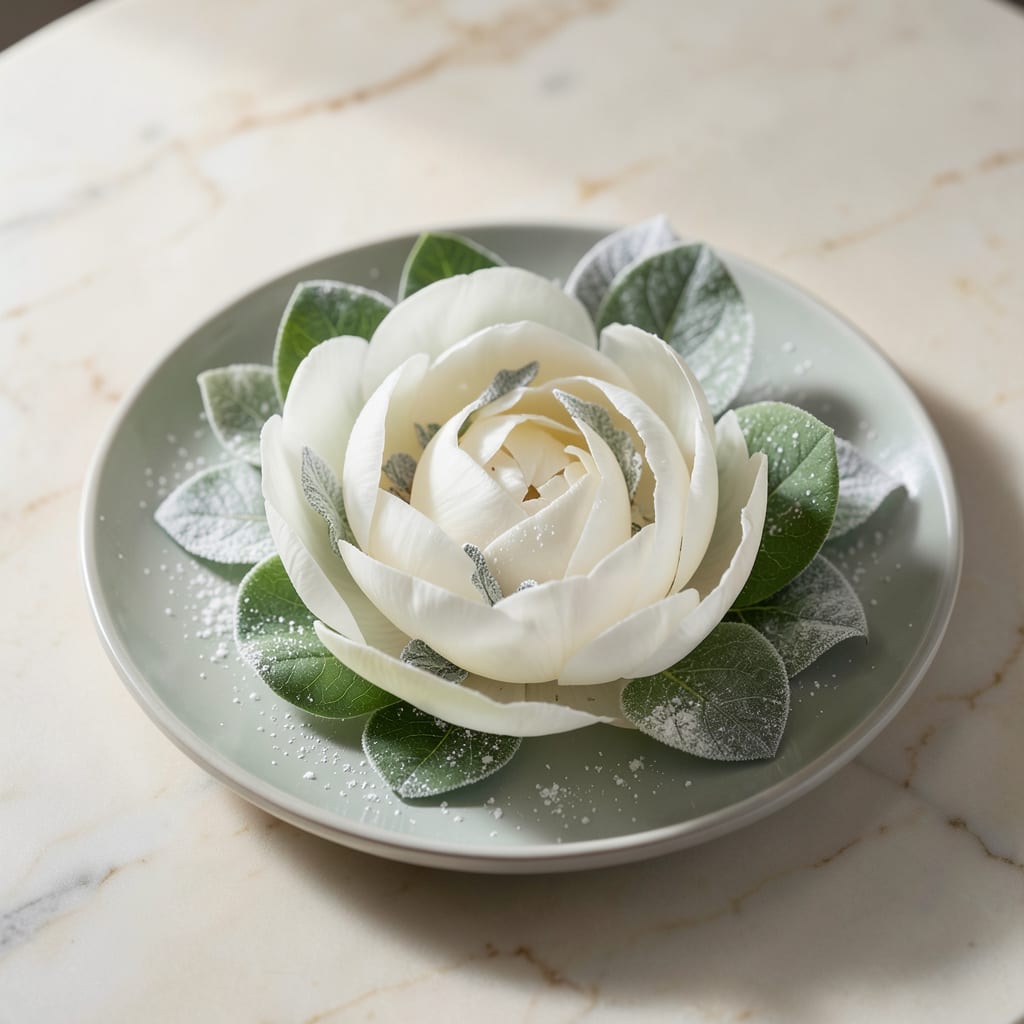
White peony leaves usually mean one thing: powdery mildew has moved in. I’ve battled this fungus for years, and early action makes all the difference before it spreads to every stem.
The first sign is a dusty white coating on the top of the leaves, often starting on lower foliage. Left unchecked, it weakens the plant and reduces next year’s blooms. The good news? It’s 100% treatable with the right approach.
You’ll need to improve air circulation, remove infected leaves, and apply a simple fungicide. A baking soda spray or neem oil works wonders without harsh chemicals.
This won’t just save your current season—it’ll keep your peonies healthier for years to come.
Peony leaves turning white are often a sign of underlying issues, and powdery mildew is the most common culprit. This fungal disease (Erysiphe polyphaga) thrives in warm, dry climates with high humidity, coating leaves in a white, powdery layer. 🌡️
Crowded plantings trap moisture, creating ideal conditions for fungal spores to spread. Peonies need space to breathe—plant them at least 3–4 feet apart to improve airflow.
Wet foliage invites fungal growth. Water peonies at the base early in the day so leaves dry quickly. Avoid sprinklers; drip irrigation is safer.
Even without rain, humid air (60–80% RH) encourages powdery mildew. Prune nearby overgrowth to reduce shade and humidity buildup.
Some peonies, like Paeonia lactiflora hybrids, are more prone to mildew. Opt for resistant varieties (e.g., Paeonia suffruticosa) if this is a recurring issue.
Over-fertilizing with nitrogen promotes lush, weak growth that’s vulnerable to disease. Balance with phosphorus-rich fertilizers to strengthen cell walls.
Once you’ve identified the cause of your peony leaves turning white, it’s time to take action. Below are targeted solutions for the most common culprits, along with prevention tips to keep your plants thriving.
If powdery mildew is the issue, start by removing and destroying infected leaves to prevent spread. Spray the plant with a baking soda solution (1 tablespoon baking soda + 1 teaspoon dish soap + 1 gallon water) or a neem oil mixture (2 tablespoons neem oil + 1 gallon water). Apply every 7–10 days until the problem clears. For severe cases, use a copper-based fungicide.
Prevention tip: 💡 Improve air circulation by spacing plants 3–4 feet apart and watering at the base to keep foliage dry.
Peonies prefer full sun but can scorch in extreme heat. If leaves are bleaching white, provide afternoon shade with a sheer cloth or relocate potted peonies to a spot with dappled light. Newly planted peonies are especially vulnerable—acclimate them gradually to direct sunlight over a week.
Prevention tip: 🌡️ Mulch around the base to retain soil moisture and regulate temperature.
Soggy roots can stress peonies, leading to discolored leaves. Check soil moisture—if it’s waterlogged, hold off on watering and amend the soil with compost or perlite to boost drainage. For container-grown peonies, ensure pots have drainage holes and elevate them to prevent standing water.
Prevention tip: ✨ Water deeply but infrequently (1–2 times per week) and only when the top 1–2 inches of soil are dry.
Mealybugs and spider mites can leave white residue or stippling. Wipe leaves with a cotton swab dipped in rubbing alcohol to remove pests manually. For larger infestations, spray with insecticidal soap or introduce beneficial insects like ladybugs. Avoid chemical pesticides, which can harm pollinators.
Prevention tip: 🎯 Regularly inspect the undersides of leaves and keep the garden free of debris where pests hide.
Yes, powdery mildew spores spread easily via wind. Isolate affected peonies and avoid working with them when foliage is wet to prevent contamination.
No. Infected leaves should be destroyed, not composted, as home compost piles often don’t get hot enough to kill fungal spores.
With proper treatment, new growth should appear healthy within 2-3 weeks. Severely infected plants may take a full season to rebound.
No, once leaves turn white from mildew or sunburn, the damage is permanent. Focus on protecting new growth and preventing further spread.
