
Beautiful Plants For Your Interior
Beautiful Plants For Your Interior
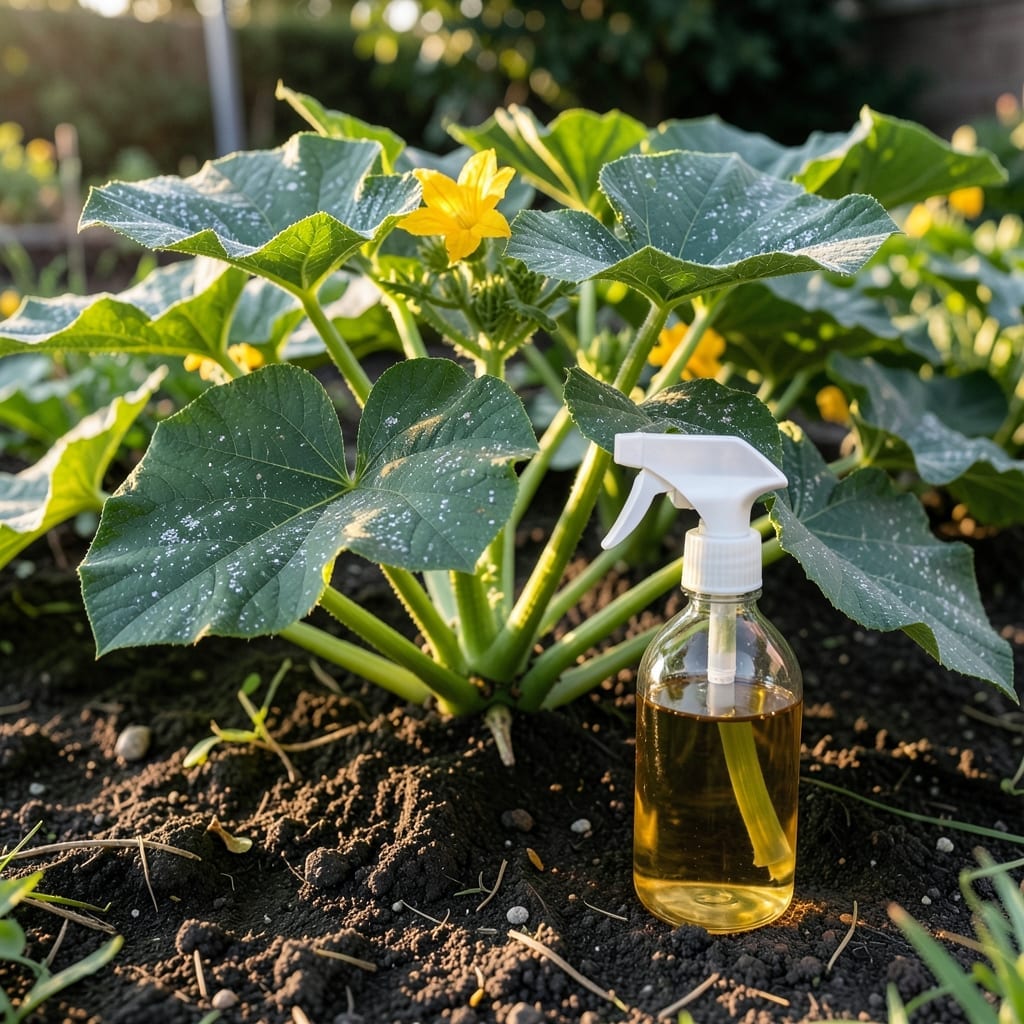
White powder on your plants isn’t just ugly—it’s stealing their health. I’ve lost entire squash crops to powdery mildew before learning how to stop it in its tracks.
This fungus spreads fast in humid weather, but the cure is simpler than you think. A weekly spray of baking soda and water can clear it up without harsh chemicals.
Your plants will bounce back with vibrant green leaves again, and you’ll prevent the spread to neighboring plants. The key is catching it early.
Works for roses, cucumbers, and most garden favorites. Here’s the exact method.
Powdery mildew is a common fungal disease that thrives under specific conditions. Understanding its causes can help you prevent and treat it effectively. Below are the primary factors that contribute to its development:
Powdery mildew flourishes in environments with high humidity (60-80%) but low moisture on leaf surfaces. Unlike other fungi, it doesn’t require free water to grow—just damp air. Poor airflow around plants traps humidity, creating the perfect breeding ground for spores.
When plants are spaced too closely, air circulation is restricted. This stagnant air allows spores to settle and germinate on leaves. Prune dense foliage and maintain proper plant spacing to reduce risk.
This fungus thrives in temperatures between 60-80°F (15-27°C), especially when days are warm and nights are cool. These conditions accelerate spore production and spread. Shade-cloth or row covers can help stabilize temperature fluctuations.
While powdery mildew doesn’t need wet leaves to grow, overhead watering can worsen humidity levels. Water at the base of plants early in the day to allow foliage to dry quickly.
Some plants, like roses, cucumbers, and squash, are genetically prone to powdery mildew. Choose resistant cultivars when possible, and monitor high-risk species closely for early signs of infection.
By addressing these root causes, you can significantly reduce the likelihood of powdery mildew taking hold in your garden.
Powdery mildew can be stubborn, but these targeted fixes will help you reclaim your garden’s health. Below, we map common causes to their solutions, plus prevention tips to keep your plants thriving.
Tight spacing traps humidity, creating a playground for mildew. Fix it: Thin out dense foliage to allow air to circulate. Prune affected leaves immediately—don’t compost them! Space plants according to their mature size, and stake vining varieties to keep them off the ground.
Prevention: Plant in well-ventilated areas and avoid overhead watering. 💡 Pro tip: Use a small fan on low settings in greenhouses to mimic a gentle breeze.
Mildew thrives in damp conditions. Fix it: Water at the base of plants early in the day so foliage dries quickly. Switch to drip irrigation or soaker hoses to keep leaves dry. If humidity is unavoidable (like in greenhouses), use a dehumidifier or increase ventilation.
Prevention: Mulch around plants to reduce soil moisture evaporation, which can raise humidity. ✨ Choose mildew-resistant varieties when possible.
Weak plants are more susceptible. Fix it: Strengthen your soil with compost or organic matter to improve drainage and nutrient availability. Avoid over-fertilizing with nitrogen, which promotes lush but weak growth.
Prevention: Rotate crops annually to prevent soil-borne diseases. 🎯 Test soil pH and amend as needed—most plants prefer slightly acidic to neutral soil (6.0–7.0).
For active outbreaks, act fast. Fix it: Spray affected plants with a mixture of 1 tablespoon baking soda + 1 teaspoon dish soap + 1 gallon of water. Apply weekly until symptoms disappear. Neem oil or sulfur-based sprays are also effective—follow label instructions carefully.
Prevention: Apply preventive sprays (like diluted milk or potassium bicarbonate) every 2–3 weeks during high-risk seasons. 🌡️ Avoid spraying in direct sunlight to prevent leaf burn.
Use organic sprays like baking soda solution weekly until mildew clears. For prevention, apply every 2-3 weeks during humid seasons. Consistency is key to keeping spores at bay.
Yes, powdery mildew spores travel easily via wind or water. Isolate infected plants and treat immediately. Prune affected leaves and avoid composting them to prevent further spread.
Vinegar can work but may harm plants if too strong. Use 1 tablespoon white vinegar + 1 gallon water and test on a small area first. Baking soda is generally safer and more effective.