
Beautiful Plants For Your Interior
Beautiful Plants For Your Interior
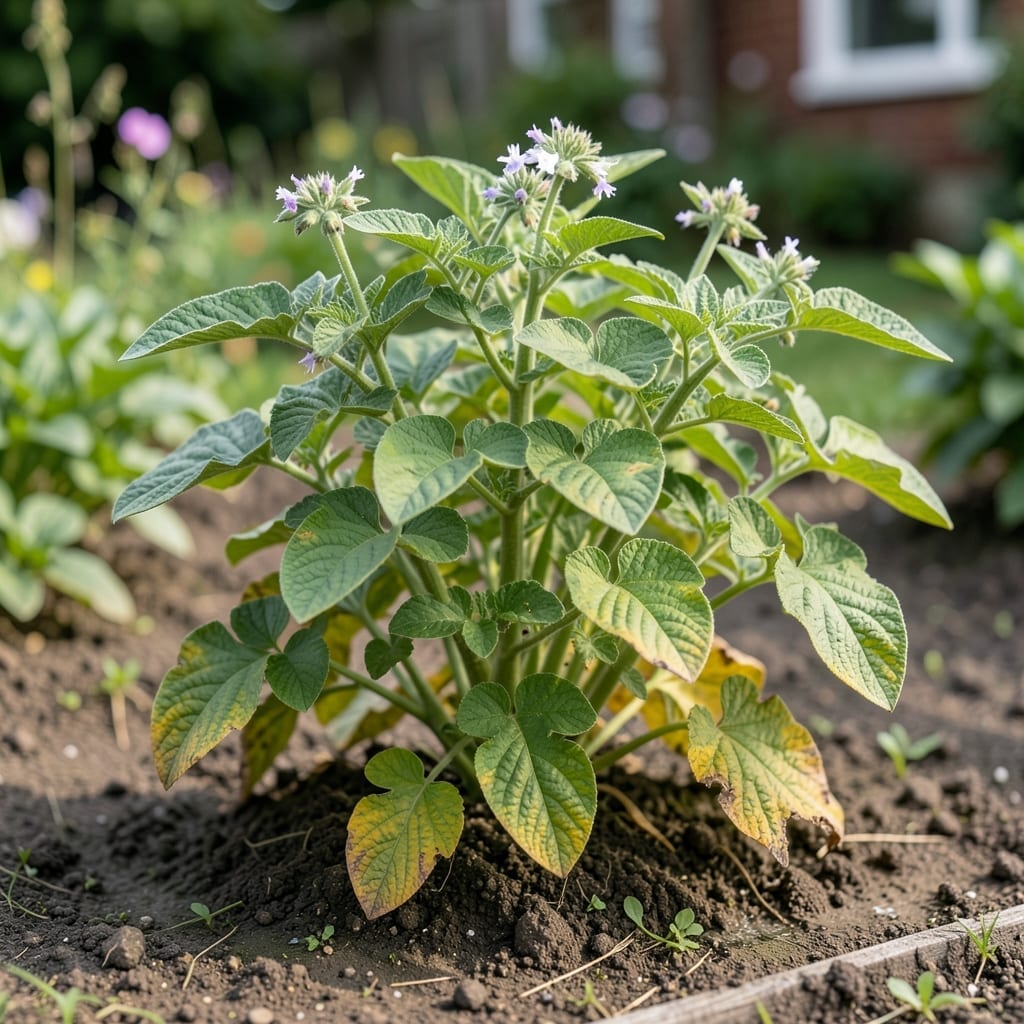
Nothing ruins a garden faster than watching your potato plants turn yellow. I’ve been there—healthy green foliage one week, sad yellow leaves the next. It’s frustrating, but the good news is most causes are fixable.
First, check your watering habits. Too much or too little can stress potatoes, and I learned the hard way that soggy soil is often the culprit. Nutrient deficiencies, pests, or even diseases might also be to blame.
Once you identify the issue, organic solutions can restore their healthy green color. Adjusting water, adding compost, or treating for pests often does the trick.
With a little detective work, you’ll have those plants thriving again in no time.
Potato plants turning yellow often signal underlying issues that disrupt their health. Below are the most common causes, explained with actionable insights.
Yellowing leaves, especially in lower foliage, often indicate nitrogen deficiency. Nitrogen is vital for chlorophyll production, and its lack stunts growth. A soil test can confirm this. Alternatively, magnesium or iron deficiencies may cause interveinal chlorosis (yellowing between leaf veins). Apply organic fertilizers like compost or fish emulsion to restore balance.
Excess water suffocates roots, leading to oxygen deprivation and root rot. Yellowing leaves, often accompanied by wilting, are classic signs. Ensure your soil is well-draining and water only when the top inch feels dry. Raised beds can improve drainage in heavy clay soils.
Aphids, whiteflies, and Colorado potato beetles suck sap from leaves, causing stress and yellowing. Check the undersides of leaves for pests or sticky residue (honeydew). Introduce beneficial insects like ladybugs or use neem oil for organic control.
Diseases like early blight (brown spots with yellow halos) or fusarium wilt (sudden yellowing and wilting) thrive in wet conditions. Remove infected plants immediately to prevent spread. Rotate crops and avoid overhead watering to reduce humidity around foliage.
Extreme heat, cold snaps, or excessive sunlight can scorch leaves, turning them yellow. Mulch around plants to regulate soil temperature and provide shade during peak heat. Frost damage is irreversible, so protect plants with row covers if cold is forecasted.
If your potato plants are turning yellow, don’t panic—there are simple, organic fixes for each common cause. Below are targeted solutions, plus prevention tips to keep your crop thriving.
Yellow leaves often signal a lack of nitrogen or magnesium. Work compost or well-rotted manure into the soil at planting, or side-dress with a balanced organic fertilizer (10-10-10). For a quick boost, spray leaves with a diluted Epsom salt solution (1 tbsp per gallon of water) for magnesium.
Prevent it: Test soil before planting. Rotate crops yearly to avoid depletion.
Too much water suffocates roots, while too little causes stress. Check soil moisture 2 inches deep—it should feel like a damp sponge. Water deeply 1–2 times per week, more in heat waves. Use drip irrigation to keep foliage dry and prevent disease.
Prevent it: Mulch with straw to retain moisture and reduce evaporation.
For aphids or Colorado potato beetles, spray with neem oil or introduce beneficial insects like ladybugs. If fungal diseases (e.g., early blight) are the culprit, remove infected leaves and apply copper fungicide. Always water at the base to avoid wetting leaves.
Prevent it: Plant disease-resistant varieties and space plants for airflow.
Shield young plants from frost with row covers. In extreme heat, provide afternoon shade with shade cloth. If yellowing persists due to poor sunlight, relocate plants to a sunnier spot (6+ hours of light daily).
Prevent it: Choose planting times suited to your climate and hardiness zone.
With these fixes, your potato plants should bounce back to a healthy green in no time! 🌿
Not always. It can also signal nutrient deficiencies, overwatering, or environmental stress. Check soil moisture and leaf patterns first before assuming disease.
Yes! Too much fertilizer, especially nitrogen, can burn roots and cause yellowing. Always follow package instructions and test soil before adding more.
Inspect leaves closely. Pests like aphids leave sticky residue or visible bugs, while diseases often show spots or unusual patterns. Use a magnifying glass for tiny pests.
It depends on the cause. If caught early, adjusting water or nutrients can restore health. Severely damaged leaves won’t recover, but new growth will be green.