
Beautiful Plants For Your Interior
Beautiful Plants For Your Interior
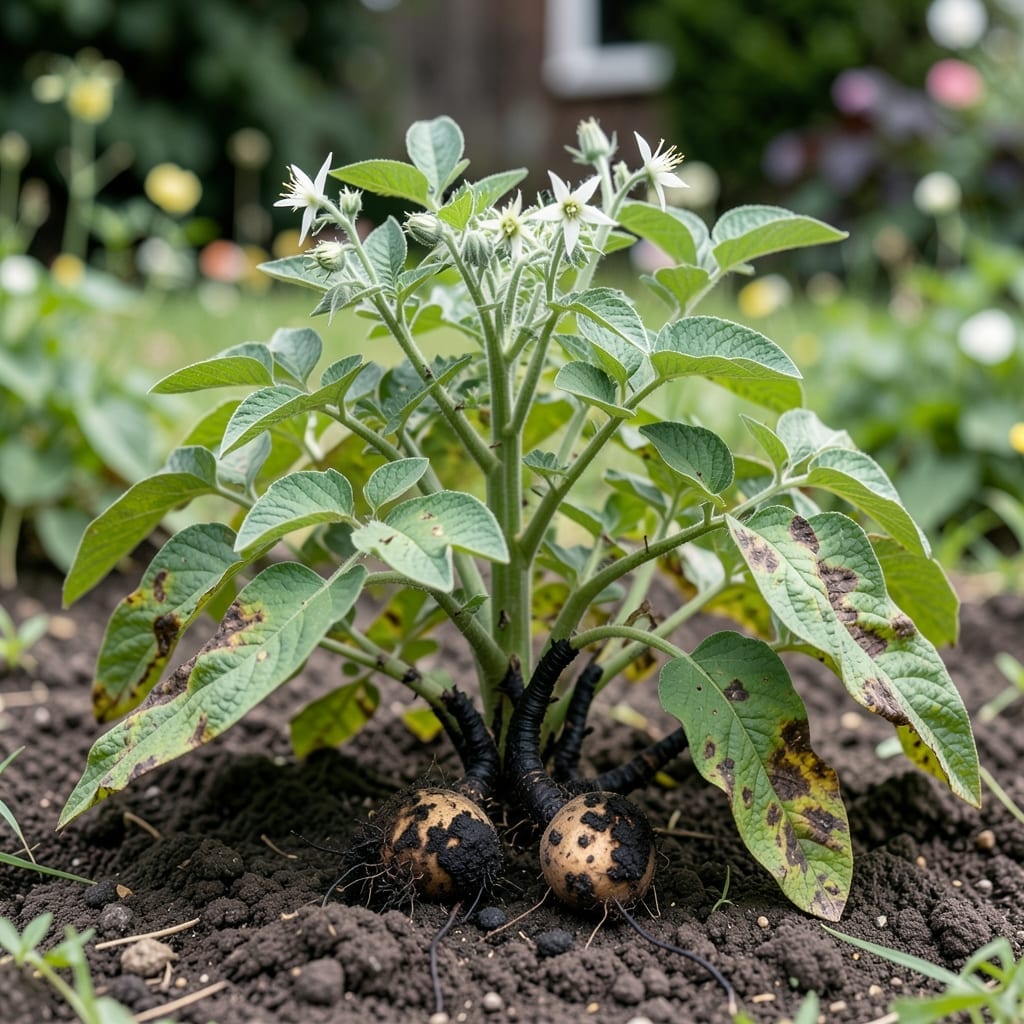
Spotting the first brown lesion on potato leaves always makes my heart sink. This silent invader spreads fast, turning healthy plants into withered husks within days.
I learned the hard way that early detection is everything. The difference between saving your crop and losing it often comes down to catching those initial water-soaked spots before they explode into full-blown infection.
What starts as a few dark patches on lower leaves can quickly consume entire plants. The key is knowing exactly what to look for—before it’s too late to act.
Works for all potato varieties and growing conditions. Here’s how to recognize the warning signs immediately.
Potato blight, a devastating disease that ravages crops, is primarily caused by the oomycete Phytophthora infestans. This pathogen thrives under specific conditions, leading to the rapid spread of infection. Below are the key causes, broken down for clarity and actionable insights.
The most critical factor in the development of potato blight is prolonged moisture. P. infestans requires free water to release its spores, which then infect potato plants. Rainy weather, high humidity (above 90%), or even heavy dew can create the perfect environment for spore germination and spread. Fields with poor drainage are especially vulnerable.
Temperature plays a significant role in the disease’s progression. The pathogen thrives in cool to moderate temperatures, typically between 50°F and 78°F (10°C and 25°C). These conditions accelerate spore production and infection rates, making early summer and late spring particularly high-risk periods.
Using contaminated seed potatoes is a common way blight enters a field. If the seed stock carries the pathogen, even in a dormant state, it can reactivate under favorable conditions. Always source certified, disease-free seeds to minimize this risk.
P. infestans spores can travel miles via wind, spreading from infected fields to healthy ones. This makes blight highly contagious, especially in regions with dense potato cultivation. Crop rotation and buffer zones can help reduce cross-contamination.
Overcrowded planting, lack of crop rotation, and excessive nitrogen fertilization can weaken plant defenses, making them more susceptible to infection. Proper spacing, resistant varieties, and balanced fertilization are key preventive measures.
Stopping potato blight in its tracks starts with quick action and consistent care. Below are targeted fixes for each stage of the disease, along with prevention tips to keep your crop healthy.
Fix: Remove and destroy infected leaves immediately to prevent the fungus from spreading. Use copper-based fungicides as a first line of defense, applying them every 7–10 days during wet weather. Prune lower leaves to improve airflow around the base of the plants.
Prevention: Space plants at least 12 inches apart and avoid overhead watering. Water at the base in the morning so foliage dries quickly. 💡 Pro tip: Rotate crops yearly—never plant potatoes or tomatoes in the same spot more than once every 3 years.
Fix: If stems show dark lesions, cut them at soil level and dispose of them in sealed bags. For tubers, harvest early if blight is confirmed—even small potatoes can be saved if the skin isn’t damaged. Cure harvested potatoes in a dry, well-ventilated area for 2 weeks before storage.
Prevention: Hill up soil around stems as plants grow to protect tubers from spores. Use blight-resistant varieties like ‘Sarpo Mira’ or ‘Setanta’ in high-risk areas.
Fix: Apply biological fungicides (e.g., Bacillus subtilis) preventively before rain is forecast. If blight appears, switch to contact fungicides like chlorothalonil, following label instructions carefully.
Prevention: Mulch with straw to reduce soil splashing onto leaves. Avoid working in the garden when plants are wet to minimize spore transfer. ✨ Pro tip: Plant early-maturing varieties to harvest before peak blight season.
Under ideal conditions, it can spread through an entire field in just 3-5 days. Warm, wet weather accelerates the process, so check plants daily during high-risk periods.
Start with small, dark brown spots on lower leaves, often with a lighter center. These quickly expand into larger lesions with a water-soaked appearance.
If the tuber flesh remains firm and the damage is only on the skin, they’re safe to eat after peeling. Discard any with soft, rotten areas or internal discoloration.
Yes, varieties like Sarpo Mira and Setanta show strong resistance. These are excellent choices for areas with frequent blight outbreaks.