
Beautiful Plants For Your Interior
Beautiful Plants For Your Interior
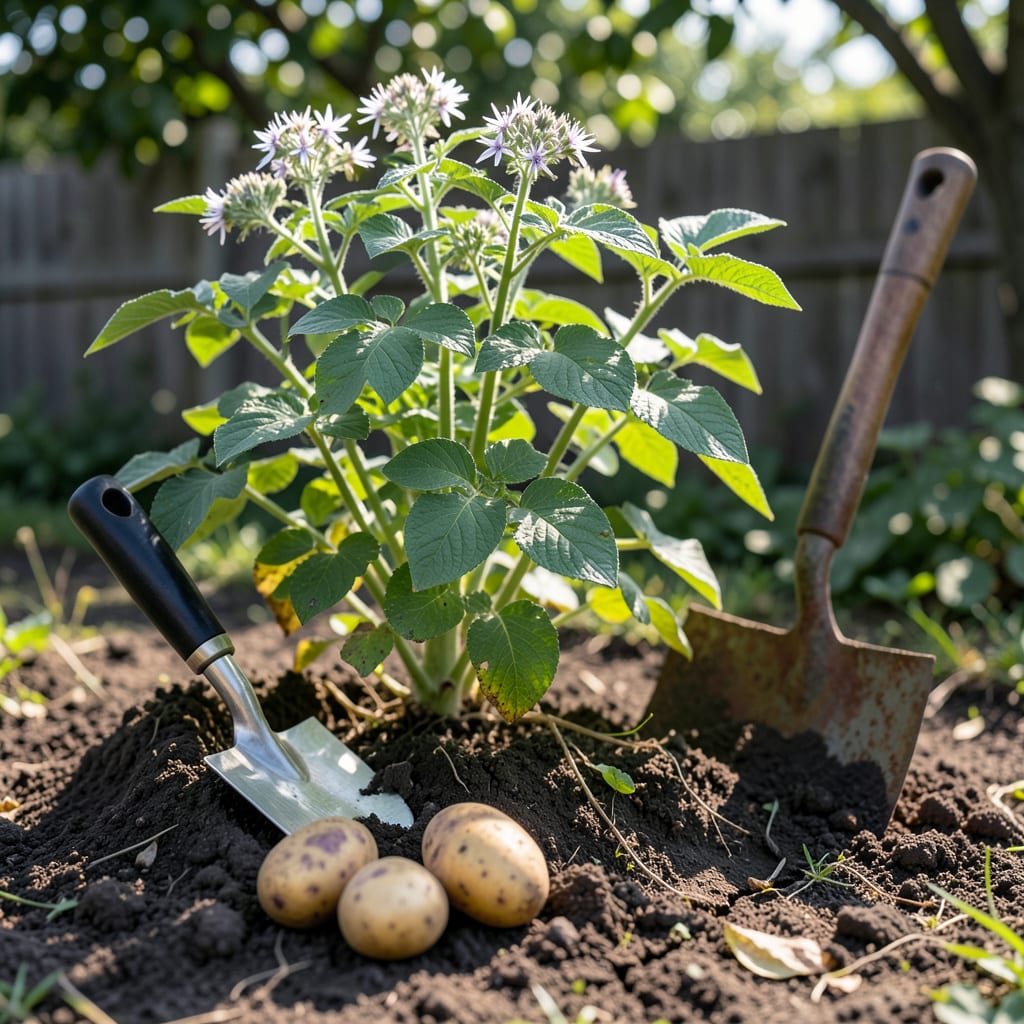
Timing your 🥔 potato planting in Zone 4 can mean the difference between a bountiful harvest and a disappointing one. Plant too early, and a late frost might wipe out your crop. Wait too long, and you’ll be racing against the first fall chill.
I’ve tested different approaches in my own garden, and what I’ll share here takes the guesswork out of the equation. You’ll discover the exact windows for spring and fall planting—plus how to protect your potatoes from Zone 4’s unpredictable swings. Let’s get it right the first time.
Getting your potato planting timing right in Zone 4 is critical—this region’s short growing season and unpredictable frosts can make or break your harvest. I’ve found that soil temperature (not just calendar dates) is the real secret to success. 🌱
In Zone 4, you’ve got two key windows: early spring (for a summer harvest) and late summer (for a fall crop). The trick? Working around those last and first frost dates—typically May 15 and September 15—while ensuring your soil is warm enough. Let’s break it down. ☀️
| Planting Window | Timing | Soil Temp | Varieties to Choose | Harvest Time |
|---|---|---|---|---|
| Early Spring | 2–4 weeks before last frost (mid-April) | 45–55°F | Yukon Gold, Red Pontiac | July–August |
| Late Summer | 6–8 weeks before first frost (early August) | 50–60°F | Kennebec, Russet | October (before hard frost) |
For spring planting, I aim for mid-April, once soil hits 45°F at a 4-inch depth. Use a soil thermometer—don’t guess! If you’re eager to start earlier, try pre-sprouting (chitting) your seed potatoes indoors. This gives them a 2-week head start once planted. 🌿
The late-summer window is trickier. Plant by early August to ensure tubers mature before the first hard frost. I recommend fast-maturing varieties like ‘Norland’ (70 days) or ‘Superior’ (80 days). If frost threatens early, be ready with row covers or mulch to protect foliage. ❄️
Microclimates matter in Zone 4! Urban areas and south-facing slopes warm up faster—you might plant 1–2 weeks earlier than rural spots. Conversely, low-lying areas stay colder longer. I’ve seen 10°F soil temp differences just a few miles apart! Always adjust based on your local conditions. 🌡️
If you’re new to Zone 4 gardening, start with container potatoes. They’re easier to protect from frost and can be moved to sunnier spots. Use 10-gallon grow bags with well-draining potting mix. Just remember: containers dry out faster, so check moisture daily in summer. 🪴
Pro tip: Hilling potatoes isn’t just for yield—it also protects young shoots from late spring frosts. I hill my plants every 2 weeks until they flower, using straw or compost. This keeps tubers covered and insulates roots. A little extra effort now means bigger harvests later! ✂️
What if you miss your window? Don’t panic. For spring plantings, you can sometimes squeeze in potatoes up to early June, but stick to ‘Early Rose’ or ‘Irish Cobbler’ (60–70 days). For fall, August 15 is your absolute cutoff—any later risks green tubers from frost damage. ⏰
Finally, keep a gardening journal to track your local frost dates and soil temps each year. Zone 4’s weather is unpredictable, and your personal records will become more reliable than any general guideline. Over time, you’ll nail that perfect planting sweet spot! 📋
Preparing your soil and seed potatoes properly is half the battle in Zone 4, where the short season demands efficiency. I’ve learned that cold, compacted soil is the #1 enemy of potato growth—so let’s fix that before planting. Start by testing your soil’s pH level (aim for 5.0–6.5). 🌱
For best results, work in 2–3 inches of compost or well-rotted manure to improve drainage and add nutrients. Avoid fresh manure—it can burn seed potatoes and introduce weeds. If your soil is heavy clay, mix in sand or peat moss to loosen it. Potatoes need loose, crumbly soil to expand without resistance. 🪴
For container growing, use 10-gallon fabric pots or grow bags with drainage holes. Fill with a 50/50 mix of potting soil and compost. Containers dry out faster, so I add water-retentive crystals or mulch heavily with straw to conserve moisture. ☀️
Don’t skip the fertilizer step! At planting, mix in a balanced 10-10-10 fertilizer (1 tbsp per plant). Once plants reach 6 inches tall, switch to a low-nitrogen, high-phosphorus formula (5-10-10) to boost tuber formation. Avoid over-fertilizing—it leads to lush foliage but small potatoes. 💧
A common Zone 4 mistake is planting in cold, wet soil. If your garden stays soggy, consider raised beds (at least 12 inches deep) to improve drainage. I’ve had great success with cedar-raised beds filled with a sandy loam mix—they warm up faster in spring and drain better during heavy rains. ✂️
Finally, harden off your seed potatoes if you pre-sprouted them indoors. A week before planting, move them outdoors for increasing periods (1 hour on day 1, up to 8 hours by day 7). This reduces transplant shock and helps them acclimate to Zone 4’s temperature swings. Keep an eye on the 10-day forecast—if nights will dip below 40°F, delay planting or use row covers. 📋
Even experienced gardeners can stumble when growing potatoes in Zone 4’s challenging climate. The short season and frost risks leave little room for error. I’ve seen firsthand how small oversights can slash yields—or worse, wipe out an entire crop. Let’s tackle the biggest pitfalls so you can sidestep them. 🌱
One of the most common blunders? Planting too early in cold, wet soil. Potatoes rot in soil below 45°F, and sprouts turn mushy if exposed to frost. I always wait until soil temps hit at least 45°F at a 4-inch depth—no exceptions. A $10 soil thermometer saves heartache (and money) later. 🌡️
1. Ignoring Frost Dates: Planting before the last frost (typically May 15) risks killing sprouts. Solution: Use row covers for early plantings or wait until soil warms.
2. Skipping Hilling: Un-hilled potatoes turn green from sun exposure and yield poorly. Fix: Hill every 2 weeks until plants flower, using straw or soil.
3. Choosing Late Varieties: Russets (110 days) often fail to mature. Swap for: ‘Yukon Gold’ (70 days) or ‘Norland’ (80 days).
Another critical error is overwatering, especially in clay-heavy soils. Soggy conditions lead to rot and disease. I water my potatoes deeply once a week (about 1–2 inches), then let the top inch of soil dry before watering again. Containers need more frequent checks—sometimes every 2–3 days in summer heat. 💧
Poor spacing is a yield-killer too. Crowded plants compete for nutrients, producing small, misshapen tubers. I space my seed pieces 12–15 inches apart in rows 30 inches apart. For containers, stick to one plant per 10-gallon bag. Overcrowding also increases pest and disease pressure, like Colorado potato beetles or blight. ✂️
Don’t forget about pest prevention! In Zone 4, wireworms and flea beetles thrive in cool soils. I rotate my potato beds every year and apply diatomaceous earth around seedlings. For organic control, try neem oil sprays or companion planting with marigolds or nasturtiums. Catching pests early saves your harvest! 🪲
Finally, harvesting too late is a silent yield-reducer. Once foliage turns yellow and dies back, dig within 2 weeks—or risk tubers rotting in damp fall soil. I use a garden fork to gently lift potatoes, checking for firm skins (a sign of maturity). If frost threatens before harvest, cut the foliage and dig immediately to prevent sweetening (where tubers convert starches to sugars). 📋
Containers are a great option for Zone 4 gardeners. Use 10-gallon grow bags or pots with drainage holes, filled with a 50/50 mix of potting soil and compost. They warm up faster in spring and can be moved to protect from unexpected frosts.
Planting in soil below 45°F risks rot and poor germination. Sprouts exposed to frost will turn mushy or die. Always use a soil thermometer to check temps at 4-inch depth before planting. A $10 investment saves your crop!
For August plantings, use floating row covers or straw mulch to insulate plants when temps drop below 32°F. Choose fast-maturing varieties like ‘Norland’ (70 days) and harvest before hard frost hits.
Stick to early-maturing types: ‘Yukon Gold’ (70–90 days), ‘Red Pontiac’ (80 days), or ‘Superior’ (80 days). Avoid late varieties like Russets (110+ days)—they rarely mature in our 120-day season.
Yes! Chitting (pre-sprouting) gives potatoes a 2-week head start. Place seed potatoes in a bright, 60–65°F spot for 2–4 weeks before planting. This is especially helpful for spring plantings in colder microclimates.
