
Beautiful Plants For Your Interior
Beautiful Plants For Your Interior
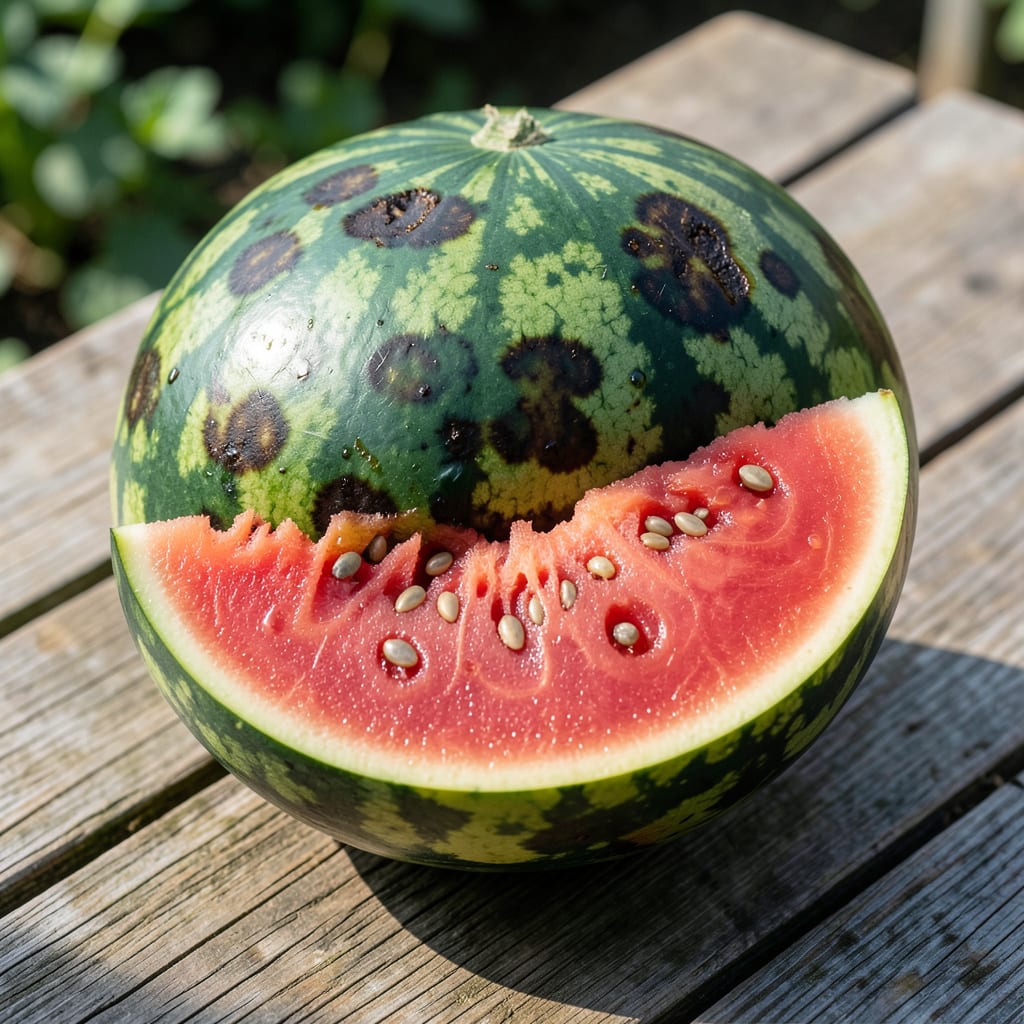
Brown spots on your watermelon leaves mean trouble. I lost half my crop to early blight one summer before learning how to catch it early.
The disease starts as small dark lesions that spread fast, turning leaves yellow then crispy. It thrives in warm, wet conditions and can wipe out plants in 2-3 weeks if ignored.
You can stop it with copper fungicides or organic options like neem oil. The key is acting at the first sign and removing infected leaves immediately.
Prevention works best: space plants for airflow, avoid wetting foliage, and rotate crops yearly. Your vines will thank you.
Early blight in watermelon is primarily caused by the fungal pathogen Alternaria cucumerina or Alternaria solani. This disease thrives under specific environmental and cultural conditions, making understanding its triggers key to prevention.
The fungus spreads rapidly in wet conditions. Overhead irrigation, prolonged leaf wetness (from rain or dew), and high humidity (above 85%) create an ideal environment for spore germination and infection. Watermelon leaves stay wet for extended periods, especially in densely planted fields or areas with poor air circulation.
Alternaria spores activate and multiply in temperatures between 75–85°F (24–29°C). While watermelons love warmth, these conditions also accelerate fungal growth. Heat stress can further weaken plants, making them more susceptible to infection.
Planting watermelons or other Cucurbitaceae family crops (like cucumbers or squash) in the same soil year after year allows fungal spores to overwinter in debris. Infected plant residue left in the field serves as a persistent inoculum source. Additionally, compacted or nutrient-poor soil stresses plants, reducing their natural defenses.
The fungus can hitch a ride on unsterilized gardening tools, infected seeds, or even transplanted seedlings. Using contaminated equipment to prune or harvest spreads the pathogen from plant to plant. Always source certified disease-free seeds and sanitize tools between uses.
Tackling early blight in watermelon starts with quick action. Below are targeted fixes for the most common causes, paired with prevention tips to keep your crop healthy long-term. 🌱
If you spot the telltale brown, concentric rings on leaves, prune infected foliage immediately—do not compost it, as the fungus can spread. Burn or trash the clippings. Next, rotate crops: avoid planting watermelons or related plants (like cucumbers or squash) in the same spot for at least two years. This breaks the fungal life cycle.
Prevention tip: 💡 Use mulch to reduce soil splashing onto leaves, which spreads spores. Straw or black plastic works well.
Wet leaves are a playground for early blight. Replace overhead sprinklers with drip irrigation to keep foliage dry. Water early in the day so any accidental splashes dry quickly in the sun. If you must use sprinklers, water at the base of the plant, not the leaves.
Prevention tip: ✨ Space plants farther apart to improve airflow and reduce humidity around leaves.
Crowded plants trap moisture, creating ideal conditions for fungal growth. Thin seedlings to the recommended spacing (usually 2–3 feet apart) and stake vines to lift them off the ground. This improves airflow and reduces leaf contact with soil-borne spores.
Prevention tip: 🎯 Trellis watermelon vines vertically if space is limited—it’s a game-changer for air circulation!
Weak plants are more susceptible to disease. Conduct a soil test to check for deficiencies in nitrogen, potassium, or phosphorus. Amend with organic matter (like compost) or a balanced fertilizer as needed. Avoid over-fertilizing with nitrogen, which can promote leafy growth at the expense of fruit and disease resistance.
Prevention tip: 🌡️ Keep soil pH between 6.0 and 6.8—early blight thrives in acidic conditions.
If early blight is a recurring issue, apply a copper-based fungicide as a preventative measure, especially during wet seasons. Start spraying when plants are young and reapply every 7–10 days or after rain. Always follow label instructions for safety and effectiveness.
Prevention tip: ✨ Rotate fungicides (e.g., alternate copper with sulfur) to prevent fungal resistance.
Look for small, dark brown spots with concentric rings on older leaves. These spots often have a yellow halo and may merge as the disease progresses.
Yes, if caught early. Remove infected leaves immediately and apply copper fungicide. Avoid composting the clippings to prevent spreading spores.
Rarely. The fungus primarily affects leaves and stems. However, severe infections can weaken plants, reducing fruit quality or yield.
Rotate crops, use drip irrigation, and space plants for airflow. Remove all plant debris after harvest to eliminate fungal hiding spots.
