
Beautiful Plants For Your Interior
Beautiful Plants For Your Interior
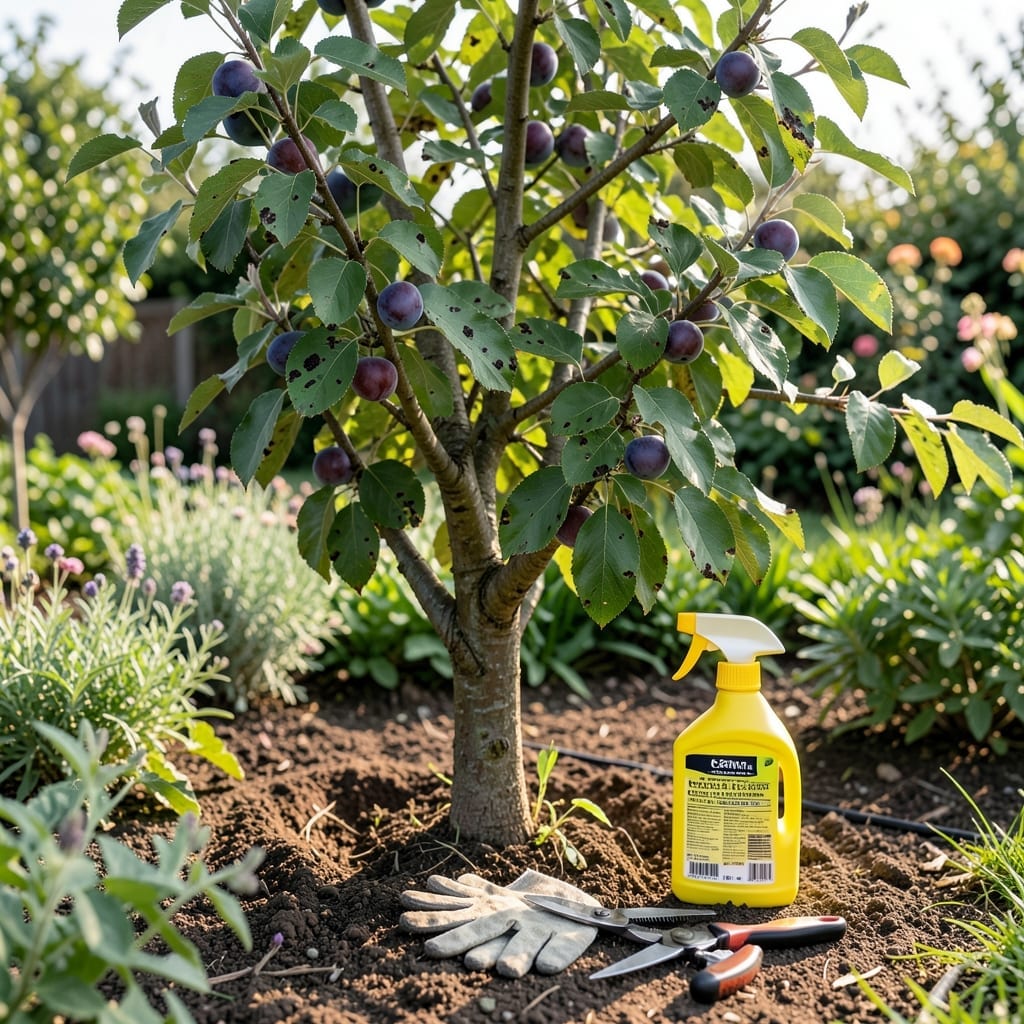
Spotted brown leaves on your plum tree last week? I’ve been there—watching healthy foliage turn spotty overnight. Fungal diseases spread fast, but early action saves trees.
The first step is knowing what you’re dealing with. Silver leaf, brown rot, or leaf curl each leave distinct marks. I learned to spot them by comparing photos to my tree’s symptoms.
Organic treatments like copper sprays and neem oil work, but timing matters. Apply before buds swell in early spring for best results. Cleanup fallen leaves too—fungus overwinters there.
Prevention is simpler than cure. Proper pruning, good airflow, and resistant varieties keep most problems at bay. Your tree can bounce back with the right approach.
Fungal infections in plum trees often stem from a combination of environmental, biological, and cultural factors. Understanding these root causes is key to prevention and targeted plum tree fungus treatment. Below are the primary triggers, explained with actionable insights.
Fungi thrive in damp conditions. Overwatering, heavy rainfall, or compacted soil that retains moisture create ideal breeding grounds for pathogens like brown rot (Monilinia spp.) and silver leaf disease (Chondrostereum purpureum). Poor air circulation—common in dense plantings—exacerbates the issue by slowing evaporation.
Action: Improve drainage with organic mulch and space trees to allow airflow.
Fungal spores overwinter in fallen leaves, fruit mummies, and pruned branches. If left unchecked, these spores reactivate in spring, infecting new growth. Peach leaf curl (Taphrina deformans) and powdery mildew often spread this way.
Action: Remove and burn or compost (far from trees) all debris in late winter.
Stressed trees—due to nutrient-poor soil, drought, or root damage—are more susceptible to fungal attacks. Weakened bark and slow growth reduce the tree’s natural defenses against invaders like canker fungi (Neonectria galligena).
Action: Test soil pH (aim for 6.0–6.5) and amend with compost or balanced organic fertilizer.
Pruning shears, saws, or even hands can transfer fungal spores between trees. Bacterial canker and leaf spot diseases often spread this way during wet seasons.
Action: Sterilize tools with 70% isopropyl alcohol between cuts and trees.
Warm, humid days (60–75°F) followed by cool, wet nights create a “fungal storm.” Powdery mildew and rust fungi proliferate under these conditions, especially in shaded orchards.
Action: Prune to open the canopy and increase sunlight penetration.
Fungal diseases in plum trees can often be managed with a few targeted steps. Below are practical solutions for common fungal issues, paired with prevention tips to keep your tree healthy long-term.
If you notice brown, shriveled fruit or blossoms, act fast. Remove all infected fruit, blossoms, and mummified fruit still hanging on the tree or lying on the ground. Dispose of them in the trash (not compost) to prevent spores from spreading. Apply a copper-based fungicide or neem oil spray, focusing on blossoms and fruit. For organic growers, baking soda spray (1 tbsp baking soda + 1 tsp dish soap + 1 gallon water) can help slow the spread.
Prevention tip: 💡 Thin fruit early in the season to improve air circulation, and prune the tree annually to open up the canopy.
Purple or black spots on leaves signal leaf spot fungus. Prune affected branches and leaves, and clean up fallen debris around the tree. Treat with a fungicidal spray like sulfur or potassium bicarbonate. Avoid overhead watering, as wet foliage encourages fungal growth.
Prevention tip: 🌡️ Water at the base of the tree in the early morning so leaves dry quickly. Mulch around the base to prevent soil splashing onto leaves.
This fungus causes silvery leaves and dark staining under the bark. Prune infected branches 6 inches below the visible damage, sterilizing your pruners with rubbing alcohol between cuts. Apply a wound sealant to larger cuts. In severe cases, remove the tree to prevent spread to others.
Prevention tip: ✨ Disinfect pruning tools between uses, and avoid pruning during wet weather when spores are most active.
A white, powdery coating on leaves is a telltale sign. Treat with neem oil or a sulfur-based fungicide, applying in the evening to avoid leaf burn. For mild cases, a milk spray (1 part milk to 9 parts water) can be effective.
Prevention tip: 🎯 Space trees properly and prune to improve airflow. Choose resistant plum varieties if mildew is a recurring issue.
Apply copper or sulfur-based fungicides every 7-10 days during wet seasons or active outbreaks. For prevention, spray in early spring before buds swell and after leaf drop in fall.
Yes! A baking soda mix (1 tbsp baking soda + 1 gallon water) or milk spray (1:9 milk-to-water ratio) can slow mild cases. For best results, use these weekly at first signs.
Prune during dry weather and make cuts 6 inches below visible damage. Sterilize tools with rubbing alcohol between cuts to prevent spreading spores.
Fungal spores overwinter in fallen leaves and fruit mummies. Remove all debris in late winter and avoid composting infected material near trees.