
Beautiful Plants For Your Interior
Beautiful Plants For Your Interior
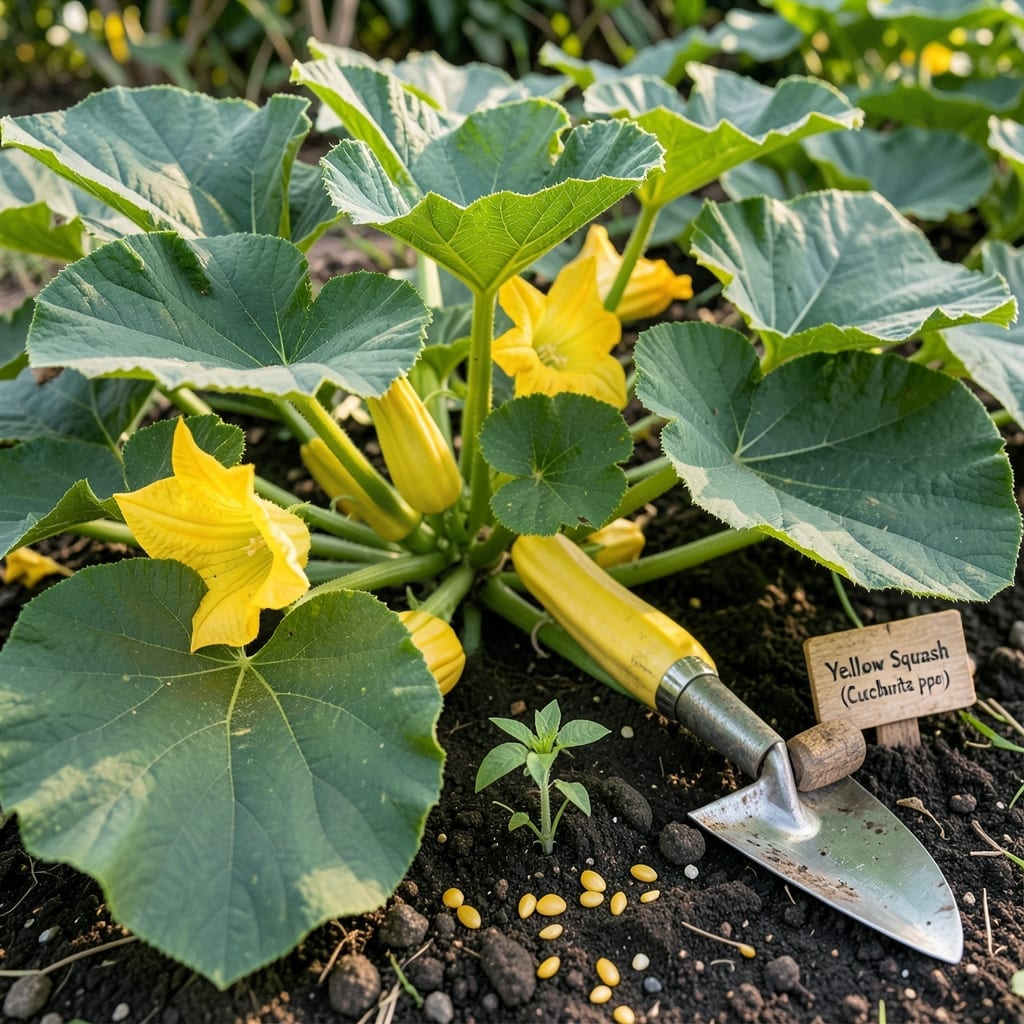
I planted my first yellow squash on a whim—three seeds in a mound of compost. Two months later, I was drowning in golden harvests that kept coming until frost.
Here’s the thing—yellow squash thrives on neglect as long as you get the basics right. Rich soil, full sun, and consistent watering turn those first sprouts into a productive jungle of vines and blooms.
You’ll start seeing flowers in about 45 days, with the first harvest ready a week after that. The plants grow so fast you can almost watch them stretch toward the sunlight.
Works in raised beds, garden rows, or even large containers if you’re short on space. Let’s get those seeds in the ground.
Understanding why issues arise when growing yellow squash can help you prevent problems before they start. Here are the most common causes, explained with actionable insights:
Yellow squash thrives in well-draining, nutrient-rich soil with a pH of 6.0–6.8. Compacted or clay-heavy soil restricts root growth, leading to stunted plants. A lack of organic matter (like compost) can also starve plants of essential nitrogen, phosphorus, and potassium. Test your soil before planting and amend it with aged compost or a balanced fertilizer (10-10-10).
Inconsistent moisture levels stress squash plants. Overwatering causes root rot and fungal diseases like powdery mildew, while underwatering leads to wilting and poor fruit development. Aim for 1–1.5 inches of water per week, delivered at the base of the plant to avoid wetting the leaves. Use drip irrigation or a soaker hose for best results.
Squash bugs, cucumber beetles, and aphids are common pests that weaken plants by sucking sap or spreading diseases. Row covers can protect young plants, while neem oil or insecticidal soap can deter pests naturally. Remove eggs and adults by hand early in the morning when they’re less active.
Humid conditions and poor air circulation encourage diseases like powdery mildew and bacterial wilt. Space plants 2–3 feet apart to improve airflow, and avoid overhead watering. Rotate crops yearly to prevent soil-borne pathogens from building up. Copper-based fungicides can help manage outbreaks.
Yellow squash is sensitive to cold. Planting too early (when soil temps are below 60°F) can cause seeds to rot. Conversely, extreme heat (above 90°F) may lead to blossom drop. Use black plastic mulch to warm the soil in spring, and provide afternoon shade in scorching summer climates.
Growing vibrant yellow squash is rewarding, but even the most attentive gardeners face hurdles. Here’s how to tackle the most common problems and keep your plants thriving.
If your squash leaves turn yellow, it’s often a sign of nitrogen deficiency. Fix it by side-dressing plants with a balanced organic fertilizer or compost tea. Work it gently into the soil around the base, avoiding direct contact with stems. For quick results, use a foliar spray of diluted fish emulsion.
Prevent it: Test soil before planting and amend with compost. Rotate crops yearly to avoid nutrient depletion.
Squash bugs and vine borers love yellow squash. Fix it by handpicking pests early in the morning and dropping them in soapy water. For vine borers, wrap stems with aluminum foil at the base to block egg-laying. Apply neem oil or insecticidal soap at dusk for a non-toxic knockdown.
Prevent it: Plant companion herbs like basil or nasturtiums to repel pests. Remove plant debris after harvest to eliminate overwintering sites.
Wilting can signal underwatering or fungal disease. Fix it by watering deeply at the base (1–2 inches per week) and ensuring good drainage. If fungal issues like powdery mildew are present, prune affected leaves and apply a baking soda spray (1 tsp baking soda + 1 quart water + a drop of dish soap).
Prevent it: Water in the morning so foliage dries quickly. Space plants 2–3 feet apart for airflow.
No squash? Blame poor pollination. Fix it by hand-pollinating: use a small brush to transfer pollen from male to female flowers (identify females by the tiny fruit at the base). Attract bees by planting pollinator-friendly flowers nearby.
Prevent it: Avoid pesticides that harm bees. Plant in full sun (6+ hours daily) to encourage flower production.
Plant after the last frost when soil reaches 60°F. In most regions, this is 2-3 weeks after the last spring frost date.
Sow seeds about 1 inch deep in hills or rows. Space hills 3-4 feet apart with 2-3 seeds per hill, thinning to the strongest plant later.
Lack of pollination is the usual culprit. Hand-pollinate by transferring pollen from male to female flowers using a small brush. Female flowers have a tiny fruit at the base.
Water consistently to keep soil moist but not soggy. Aim for 1-1.5 inches per week, more during extreme heat. Always water at the base to avoid wetting leaves.